
 EN
EN



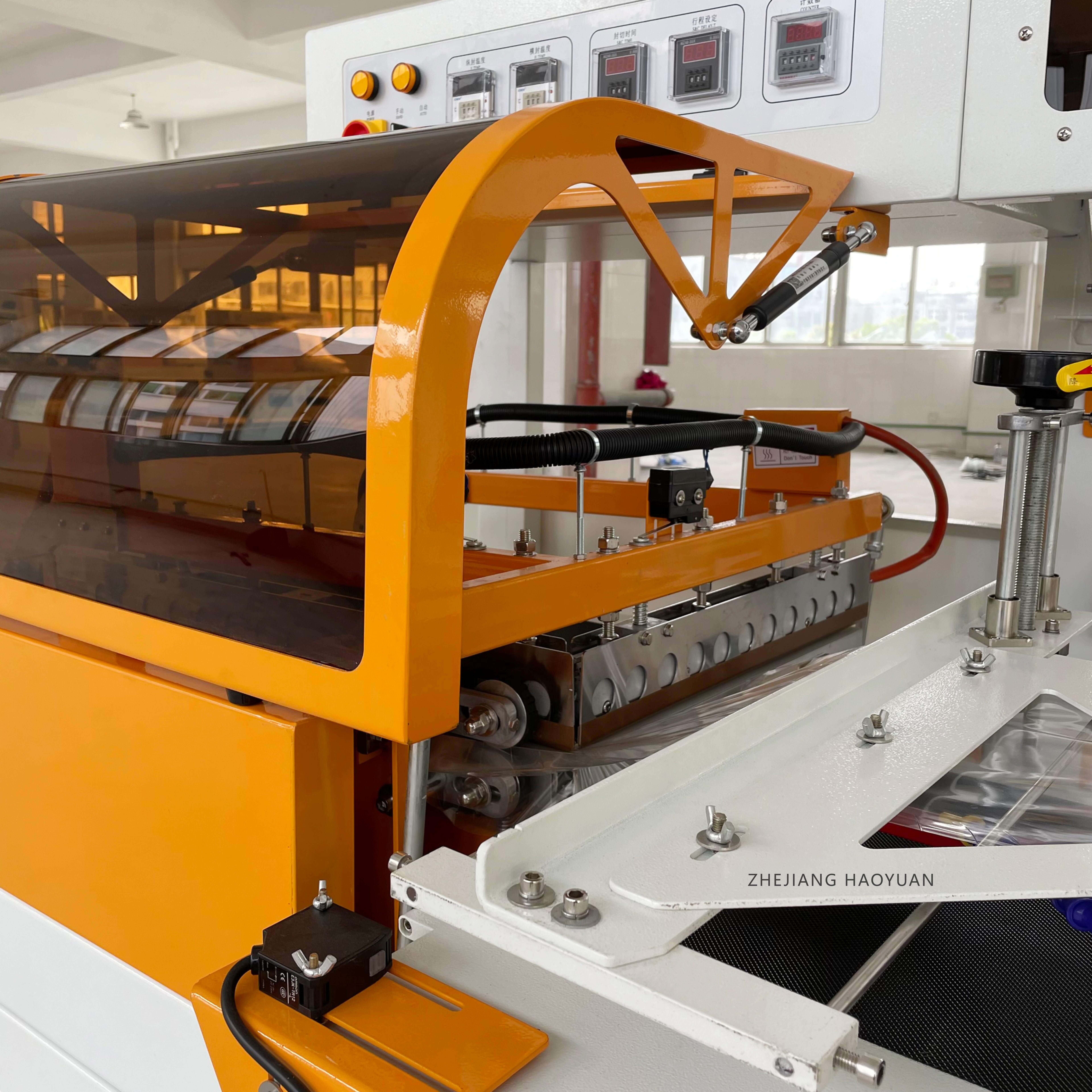
Core Blister Packing Machine Configuration Parameters for Seal Integrity
Precision Temperature and Pressure Calibration for Consistent Sealing
Getting that pharmaceutical grade seal integrity right requires controlling temperatures and applying pressure with millisecond level precision. Blister pack machines need to stay within about +/- 1 degree Celsius at each sealing station so those heat sensitive adhesives work properly without melting the PVC or damaging the foil layers. The pressure systems synchronize to deliver between 30 and 60 psi across all points on the sealing surface, which helps prevent those weak spots where moisture might get in or contaminants find their way through. According to various studies in the field, almost one third of all packaging failures actually come down to problems with temperature control or inconsistent pressure application. These days, manufacturers rely on thermal imaging cameras and pressure maps to check if everything is sealing evenly, making sure each package meets those strict USP 1207 requirements for sterile barriers. And there are these continuous monitoring setups now that give operators warnings when something starts going off track, stopping bad batches from being made even during those super fast production runs.
PVC/Foil Web Alignment, Tension Control, and Feed Synchronization
Optimal material handling prevents wrinkles and misalignment that undermine moistureproof packaging. Servo-driven web guides maintain positional accuracy within 0.2 mm, while tension sensors regulate foil and PVC feed rates to prevent stretching or slack. Critical parameters include:
| Parameter | Impact | Optimal Range |
|---|---|---|
| Web Tension | Prevents material deformation | 1.5–2.5 N/cm |
| Registration Accuracy | Ensures cavity/foil alignment | ±0.3 mm |
| Feed Synchronization | Eliminates timing gaps | <50 ms variance |
The coordination between precision nip rollers and optical encoders ensures proper material movement through the sealing window while dynamic braking handles the inertia from fast moving parts. Getting this right stops those pesky edge lifts which cause about 8 out of 10 seal problems according to field data. Modern equipment now features these smart feedback systems that automatically adjust alignment issues as they happen something absolutely necessary when running at over 300 cycles per minute where even minor deviations become major quality concerns down the line.
Critical Blister Packing Machine Components That Enable Tamper-Evident, Moistureproof Security
Sealing Station Design: Heat Distribution, Dwell Time, and Seal Strength Uniformity
In blister packing machines, the sealing station acts as the main line of defense against contamination and degradation. When the machine applies heat correctly during this process, it creates strong barriers that keep out moisture. If there are any weak spots in the seal, even a small amount of humidity can cause big problems. We're talking about just 1% moisture getting inside, which can ruin around three quarters of moisture sensitive medications within a few weeks according to recent studies from PharmaTech Journal. Getting the timing right matters too. Most machines need between 0.8 and 1.2 seconds contact time while applying pressure somewhere around 15 to 25 pounds per square inch. These parameters help create proper bonds between the plastic and metal layers. Better sealing stations now have computer controlled heating areas that stay within about plus or minus 2 degrees Celsius. This kind of tight temperature control stops those annoying little leaks that not only let air in but also destroy the tamper evident features on packaging. The result? Stronger seals that won't peel apart when subjected to normal handling stresses, something absolutely essential for protecting high value pharmaceutical products throughout their shelf life.
Smart Sensors and Real-Time Feedback Loops for Defect Detection and Process Validation
Sensor networks check security at over 200 points every single minute, making sure everything stays within safe limits. The infrared cameras track where heat builds up as it happens, and those tiny laser tools can spot when seals get too thin or thick, right down to 5 microns. Any changes outside the normal range of plus or minus 8% get flagged instantly. What makes this system really work well are these SPC algorithms that link all the sensor readings back to actual lab tests. They catch almost every problem area - around 99.97% accurate according to our tests - especially good at finding those hard to see cracks or weak spots in seals. When something goes wrong, the system reacts fast, changing pressures and temperatures within just 50 milliseconds so everything stays compliant with ISO standards. All these checks create detailed records with timestamps that regulators love to see during inspections, which is super important for drug manufacturing companies dealing with strict paperwork requirements.
Regulatory and Quality Requirements Driving Blister Packing Machine Configuration Decisions
FDA 21 CFR Part 211 and EU Annex 1 Compliance in Blister Sealing Validation
Blister packing machines need proper setup according to strict FDA 21 CFR Part 211 and EU GMP Annex 1 standards. These rules demand proof that the sealing process works reliably to protect products. Manufacturers have to show documentation proving their sealing settings work right across temperature ranges within ±1°C, pressures between 15 and 30 psi, and dwell times from half a second up to two seconds. When companies don't follow these guidelines, moisture gets into packages which can ruin drugs. A recent study found about one in four packaging problems comes down to poor validation efforts. Smart monitoring equipment keeps an eye on how evenly heat spreads during sealing to stop those annoying channel leaks. At the same time, automatic systems log every single seal made so regulators can check them later. Companies that focus on this validation stuff tend to create packaging that stays dry and intact for longer periods. This attention to detail cuts down on recalls by around 40 percent when compared to setups without proper verification. Periodic checks make sure everything still meets cGMP requirements, keeping medicines safe from contaminants and maintaining those important tamper evident features.
FAQ:
What are the key parameters for ensuring seal integrity in blister packing machines?
The key parameters include precise temperature control within ±1°C and pressure application between 30 and 60 psi. These ensure the adhesives work properly without damaging materials while preventing weak spots where contaminants might enter.
How do smart feedback systems enhance alignment in blister packing?
Smart feedback systems automatically adjust alignment to within 0.2 mm accuracy. These systems prevent material deformation and alignment issues, which can occur at high production speeds, thus enhancing the quality and effectiveness of seals.
Why is sensor network monitoring critical in maintaining blister packing quality?
Sensor networks perform real-time monitoring at over 200 points per minute, detecting heat disparities and material inconsistencies. Instant feedback allows for rapid system adjustments, maintaining compliance with standards and ensuring high seal integrity.