
 EN
EN



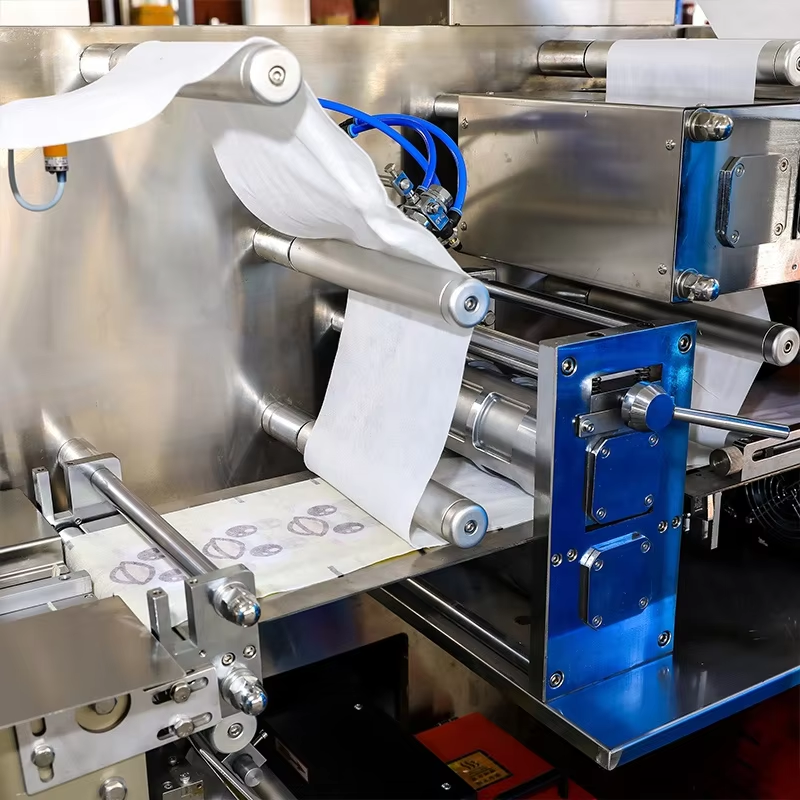
Steam Eye Mask Packer: Ensuring Thermal Consistency and Controlled Exothermic Performance
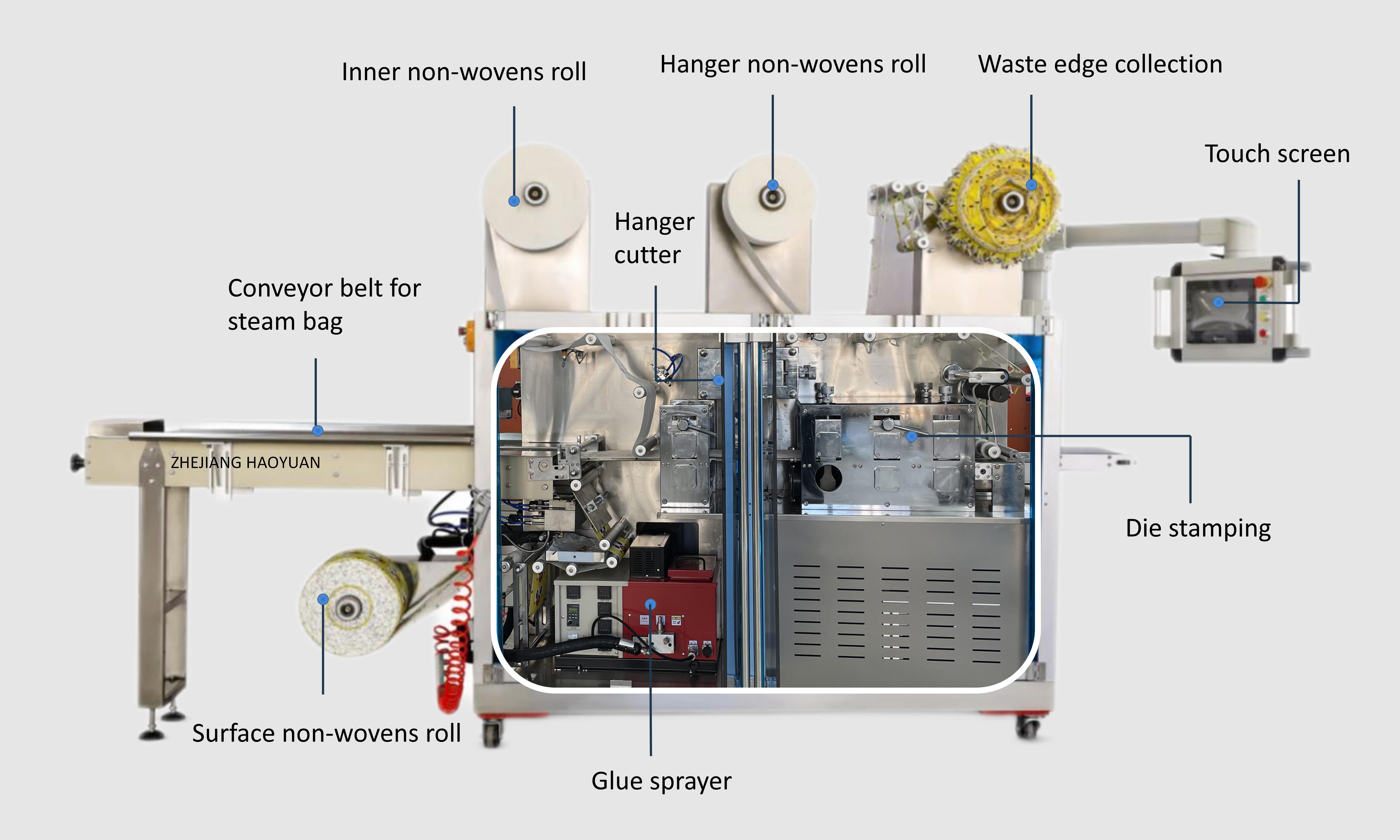
Why overheating or premature cooling occurs in steam eye mask packs
Thermal inconsistencies in steam eye masks primarily stem from three manufacturing variables:
- Material composition deviations: Variations in iron powder purity (requiring 98%) or NaCl ratios beyond ±0.5% alter exothermic reaction kinetics
- Environmental fluctuations: Uncontrolled humidity during production accelerates oxidation, causing premature heat generation
- Sealing integrity failures: Microscopic breaches in thermal film layers permit oxygen ingress or moisture loss
Temperature fluctuations exceeding ±2°C during manufacturing reduce product efficacy by 15% due to inconsistent steam release profiles (Manufacturing Sector Data, 2023). Leading manufacturers deploy real-time thermal monitoring systems to detect anomalies during filling and sealing—enabling immediate intervention before batch release.
Balancing iron powder oxidation kinetics with thermal film regulation
The rate at which oxidation happens generally follows what we call Arrhenius behavior where every 10 degree temperature increase roughly doubles how fast reactions occur. Modern manufacturers of steam eye masks have incorporated smart technology into their packaging systems. These advanced machines employ predictive algorithms to tweak the time products spend in heat chambers according to actual sensor readings throughout production. The result? A stable temperature range around 40 degrees Celsius plus or minus about 2 degrees for the entire 15 minutes treatment period. Maintaining this sweet spot avoids problems like skin irritation when temperatures exceed 45 degrees or ineffective therapy if the product cools down too quickly below 38 degrees before reaching consumers.
Upholding Material Integrity and Batch-to-Batch Quality Control
Critical material standards: non-woven fabric, iron powder, and NaCl ratio compliance
Making reliable steam eye masks requires sticking closely to specific material requirements. The non woven fabric needs to have just the right porosity between 0.5 and 1.0 mm in those tiny pores, plus enough tensile strength above 20 Newtons per centimeter so it doesn't tear when steam is released but still lets air through properly. For the iron powder component, manufacturers look for high purity levels above 99% with particles sized evenly between 50 to 100 micrometers. This helps control how fast the oxidation happens and prevents things from getting too hot. Sodium chloride content usually sits around 5 to 10% of the total weight. Getting this ratio wrong by even 5% either way can lead to temperature fluctuations as much as 15 degrees Celsius, which might make users uncomfortable or worse, cause the product to fail completely. Factory quality checks that include things like spectral analysis and moisture tests cut down on batch differences by more than a quarter, which means customers get consistently good results every time they use these therapeutic devices.
Traceability and particle-size verification per ISO 13485 for steam eye mask packers
Meeting ISO 13485 standards means having complete traceability throughout the entire process. Every batch of raw materials gets its own unique ID, starting with things like non woven fabrics all the way down to table salt (NaCl). This lets companies track where everything comes from right through manufacturing until it reaches the final packaging stage. When checking particle sizes for iron powder, manufacturers typically use either laser diffraction methods or traditional sieve analysis. They need to maintain consistency within about plus or minus 5%. If there are bigger variations than that, temperature problems tend to jump up around 20%. Digital automation handles most of the record keeping now, storing supplier documentation along with test results during production runs. These systems make it much easier to spot defects early on and initiate product recalls when needed. According to recent industry data, this kind of comprehensive tracking system helps reduce quality issues by roughly thirty percent compared to older methods.
Mitigating Safety Risks Through Robust Packaging and Seal Validation
Preventing rupture, contamination, and sensory exposure via humidity-resilient sealing
Changes in humidity when storing or shipping steam eye masks can actually damage their effectiveness. The best ones use high quality polypropylene film that stops moisture from getting inside. These films have what's called an MVTR rating under 1.5 grams per square meter per day. Combined with special adhesive for sealing, they form barriers that really work. What this means is the humidity stays low inside the packaging, around 45% or less. That prevents the masks from bursting open and keeps out bacteria too. Users get safer eyes and better comfort no matter where they are, whether it's humid tropics or dry desert climates.
ASTM F2054 burst testing and MVTR monitoring for steam eye mask packer validation
Leading steam eye mask packers integrate these metrics with IoT-enabled sensors that monitor thermal uniformity across sealing jaws—ensuring consistent performance, preventing premature activation, and maintaining therapeutic steam duration within ±2% tolerance across batches.
Navigating Regulatory Compliance: CE, FDA, and Certification Best Practices for Steam Eye Mask Packers
When shipping steam eye masks abroad, companies face strict rules depending on where they're going. In America, manufacturers need FDA approval either as a Class I medical device under 21 CFR Part 820 or following cosmetic standards from the FD&C Act. This involves meeting Good Manufacturing Practices, submitting proper paperwork before market entry like the 510(k) if making health claims, and ensuring labels are accurate. The situation is different but equally demanding in Europe's Economic Area where products require CE markings compliant with MDR 2017/745 regulations. This includes passing conformity checks, preparing detailed technical files, and sometimes even conducting clinical studies. ISO 13485 serves as the backbone quality system across these regions, helping manage risks, track materials, and maintain consistent batches. Getting certified through international accreditation bodies rather than local ones builds consumer confidence and prepares companies for inspections. Failure to comply can lead to seized goods, penalties over half a million dollars according to recent FDA data, and serious harm to brand reputation. Smart exporters know early investment in global certifications pays off when expanding their reach beyond borders.
FAQ
What causes thermal inconsistencies in steam eye masks?
Thermal inconsistencies typically arise due to material composition deviations, environmental fluctuations during production, and sealing integrity failures.
How do manufacturers balance iron powder oxidation kinetics?
Manufacturers balance oxidation kinetics by controlling iron powder particle size, thermal film thickness, and oxygen permeability to maintain consistent thermal performance.
What are critical material standards for steam eye masks?
Critical material standards involve ensuring non-woven fabric porosity and tensile strength, iron powder purity and particle size consistency, and maintaining the NaCl ratio.
How is regulatory compliance achieved for steam eye mask packers?
Manufacturers achieve compliance through FDA approval in America, CE marking in Europe, adherence to ISO 13485 standards, and rigorous documentation and certification processes.