
 EN
EN



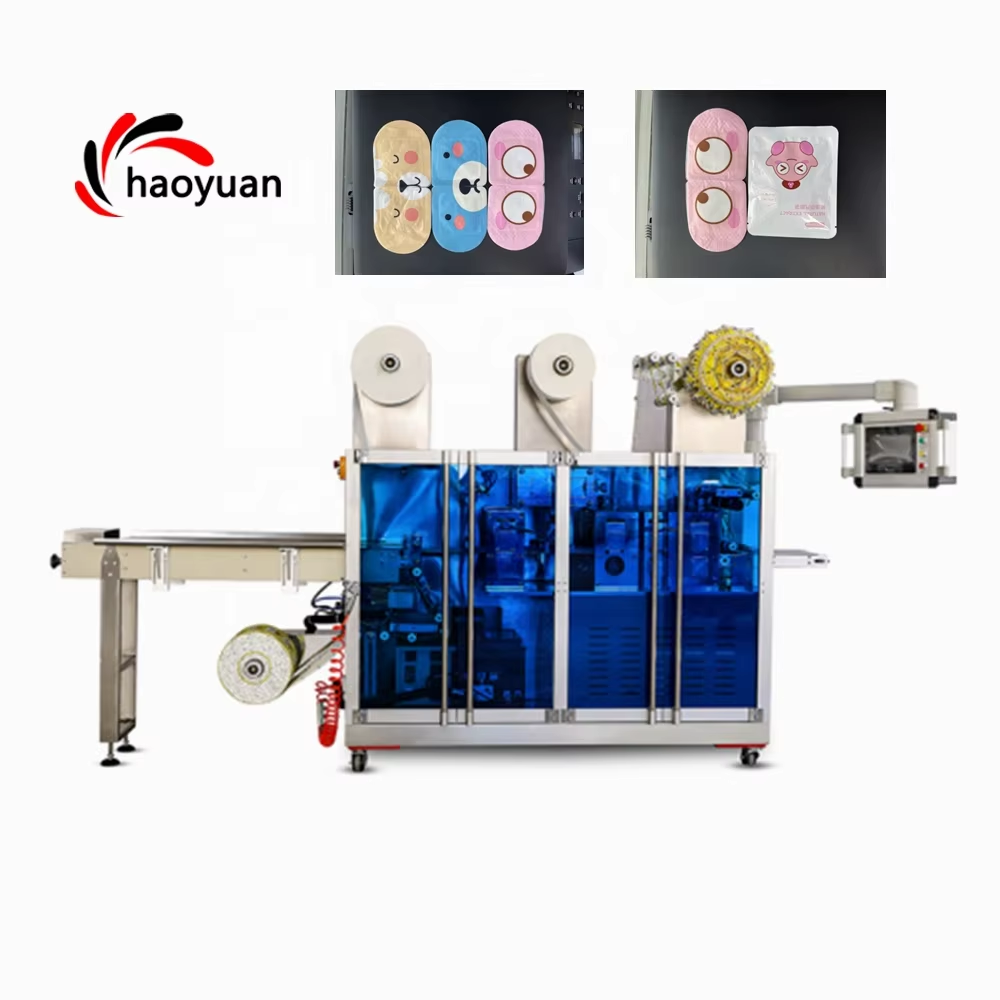
Steam Eye Mask Packer Integration and In-Line Quality Assurance
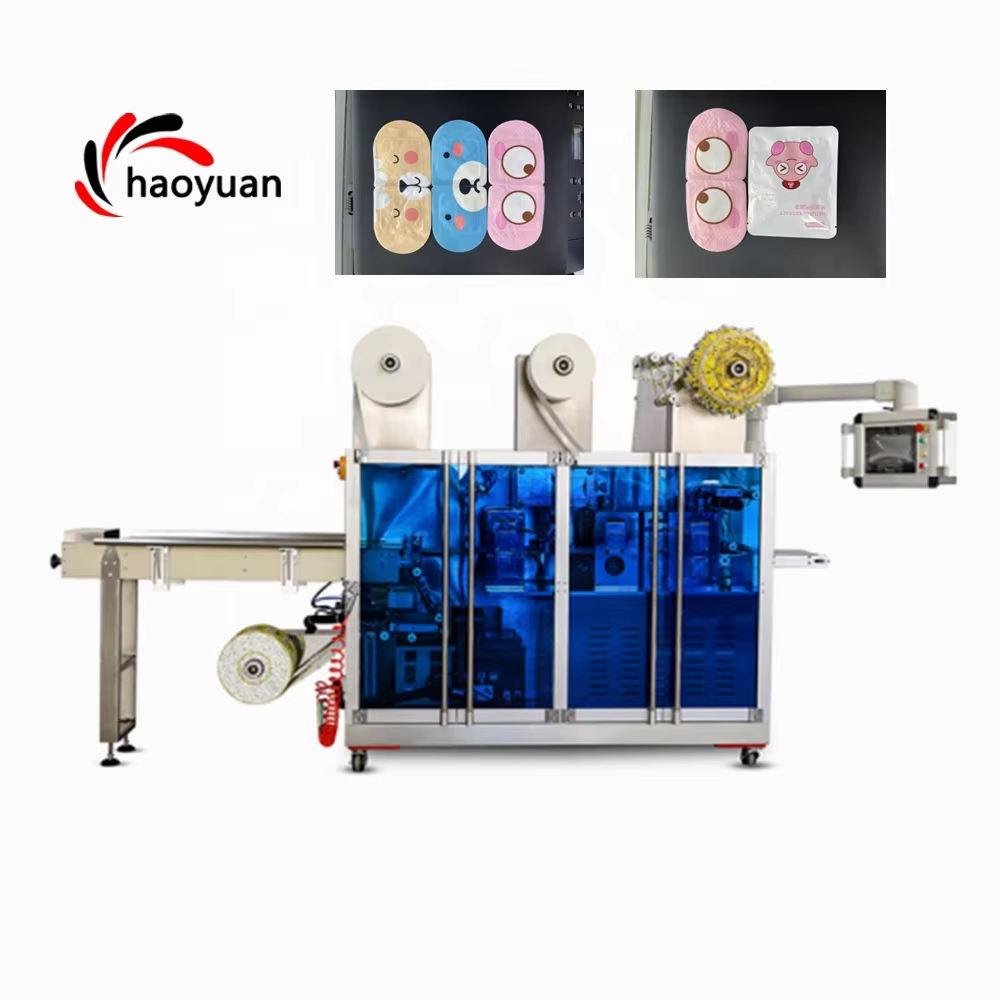
Real-Time Heat Validation and Constant Temperature Monitoring During Packing
Getting the temperature right matters a lot when packing those steam eye masks. These days most packaging lines have infrared sensors plus these smart thermocouples connected to the internet that check temperatures constantly as products move along the line. The goal? Make sure each mask stays within that sweet spot between 40 and 45 degrees Celsius, give or take a degree, while it gets sealed properly. Why does this matter so much? Well, if the temperature goes off track by even 2 degrees, studies indicate the effectiveness drops around 30% because the moisture inside escapes too early. That's why there are automatic gates set up throughout the process. Whenever something doesn't meet specs, these gates kick in and pull out the bad ones right away. What used to be just basic packaging has now become part of maintaining quality standards through active monitoring rather than just sitting there doing nothing.
Seal Integrity, Label Accuracy, and Packaging Defect Detection Protocols
A three-layer defense system ensures packaging reliability:
- Hermetic Seal Validation: Pressure decay testing verifies oxygen permeability below 0.5%, per ASTM F1927—preventing steam leakage responsible for 74% of shelf-life failures
- Vision-Based Label Verification: High-resolution cameras cross-check batch codes, expiry dates, and regulatory symbols against MES databases with 99.98% OCR accuracy
- Structural Defect Scanning: Laser profilometry detects micron-level wrinkles, punctures, or seal inconsistencies invisible to human inspectors
Combined with inline gravimetric weight checks before case packing, this multi-stage scrutiny cuts reject rates by 60%, ensuring every unit meets medical-grade barrier requirements and eliminates mislabeling risks.
Temperature and Steam Output Consistency Across Production Batches
Getting consistent thermal performance requires thorough validation based on actual data, not just occasional spot checks. When we map temperatures throughout the packing process, we track how heat spreads across different batches using those little embedded sensors everywhere now. This helps confirm that each run stays pretty much the same temperature wise, around ±1.5°C difference between batches. According to some research published last year in the Medical Device Standards Journal, maintaining this kind of control stops about 98% of devices from activating too early. And let's face it, nobody wants their product going off before it should. Real time monitoring systems pick up on temperature changes while sealing happens, and if something goes out of whack beyond what we've set as normal parameters, they send automatic warnings. This is really important stuff because it makes sure our steam generation works properly every single time without fail.
Thermal Mapping and Batch-to-Batch Uniformity Verification
Validation protocols test three consecutive batches, mapping heat distribution at 15-second intervals. Leading systems achieve ±2% variation in peak temperature between batches through continuous airflow optimization in packing chambers—eliminating “cold zones” where masks fail to reach therapeutic temperatures, a defect occurring in 1 of 200 units without such controls.
Steam Duration, Humidity Delivery, and ISO 13485 Annex D Compliance
According to ISO 13485 Annex D guidelines, steam timing needs to stay within plus or minus 10 seconds, while humidity levels should not deviate more than 3%. The system incorporates built-in humidity sensors that check whether conditions stay between 42 and 48 degrees Celsius with at least 95% relative humidity during the entire 15 minute effectiveness period. When this data gets fed straight into the automatic rejection system, we see a dramatic reduction in bad products - around two thirds fewer issues actually. This kind of performance improvement meets exactly what Clause 7.5.6 asks for regarding proper validation of manufacturing processes, making sure everything stays within acceptable parameters from start to finish.
Regulatory Alignment for Medical-Grade Steam Eye Mask Manufacturing
CE Class II/III vs. FDA 510(k): Key Differences for Thermal Ophthalmic Devices
Making medical grade steam eye masks means dealing with different regulations around the world. The European Economic Area has strict rules about CE marking under MDR 2017/745 that put these thermal eye devices into either Class IIa or IIb categories. Getting certified there involves detailed risk assessments, clinical evaluations, and regular checks from an approved Notified Body organization. Things work differently across the pond in America where the FDA's 510(k) process looks mainly at whether new products are substantially similar to existing ones already on market. This usually comes down to showing good thermal safety performance and passing tests for materials compatibility according to ISO standards. What makes European compliance tricky is that it doesn't just cover the actual mask itself but everything involved in production including machines like the Steam Eye Mask Packer. Manufacturers need to maintain compliance continuously through routine inspections. Companies that mistakenly label their product as just cosmetics rather than a medical device face serious problems later on. We've seen cases where misclassification led to massive recalls and fines going well over one million dollars according to industry reports from 2023.
Closing ISO 13485 Gaps in Non-Sterile, Single-Use Thermal Device Lines
Implementing ISO 13485 for non-sterile thermal devices requires targeted enhancements—not wholesale replication of sterile-device protocols. Key gaps include validating moisture-retention stability during accelerated aging, establishing material traceability from audited equipment suppliers, and implementing batch-specific thermal mapping. Unlike sterile lines, non-sterile thermal production emphasizes:
- Bioburden controls for cellulose-based substrates
- Humidity-resistance testing for adhesive seals
- Traceable, time-stamped thermal profiles for each production lot
A 2022 Johns Hopkins study found 30% of initial audits fail due to inadequate change control for steam formulation adjustments. Proactive gap closure reduces remediation costs by 65% and accelerates time-to-market.
Raw Material Qualification and Biocompatibility Release Criteria
Choosing the right materials matters for both safety and how well products perform. All raw materials need proper qualification according to ISO 10993 standards when they come into contact with eyes specifically. That means running tests for things like cytotoxicity and irritation levels. Thermal stability is just as important too. Materials should hold up structurally between 40 and 50 degrees Celsius without releasing anything harmful during steam activation processes. Our quality management system keeps track of everything from where materials come from to results of supplier audits and specific release criteria for each batch. If any material doesn't meet specs, it gets locked away immediately so no faulty items ever get close to packaging operations. This kind of strict oversight helps avoid recalls which can be really expensive. Material issues alone typically cost companies around $740,000 according to research from Ponemon Institute back in 2023. Before anything ships out, we do two final checks: making sure everything complies with FDA's QSR design controls and confirming thermal performance meets all validation requirements.
FAQ
Q: Why is temperature control vital during the packing of steam eye masks?
A: Temperature control is crucial because slight deviations can significantly reduce the effectiveness of the steam eye masks. Ensuring a constant temperature between 40 and 45 degrees Celsius helps maintain the mask's moisture and effectiveness.
Q: What are the consequences of poor packaging integrity in steam eye masks?
A: Poor packaging integrity can lead to steam leakage, mislabeling, and structural defects, which can directly impact the shelf-life and safety of the product.
Q: How do regulations differ between the EU and the USA for steam eye masks?
A: In the EU, steam eye masks fall under CE classification and require detailed risk assessments and regular evaluations. In the USA, the FDA's 510(k) process requires showing similarity to existing products and focusing on thermal safety performance.
Q: What steps are involved in ensuring the biocompatibility of raw materials?
A: Ensuring biocompatibility involves testing raw materials according to ISO 10993 standards for cytotoxicity and irritation levels, to ensure safety and structural integrity during usage.