
 EN
EN



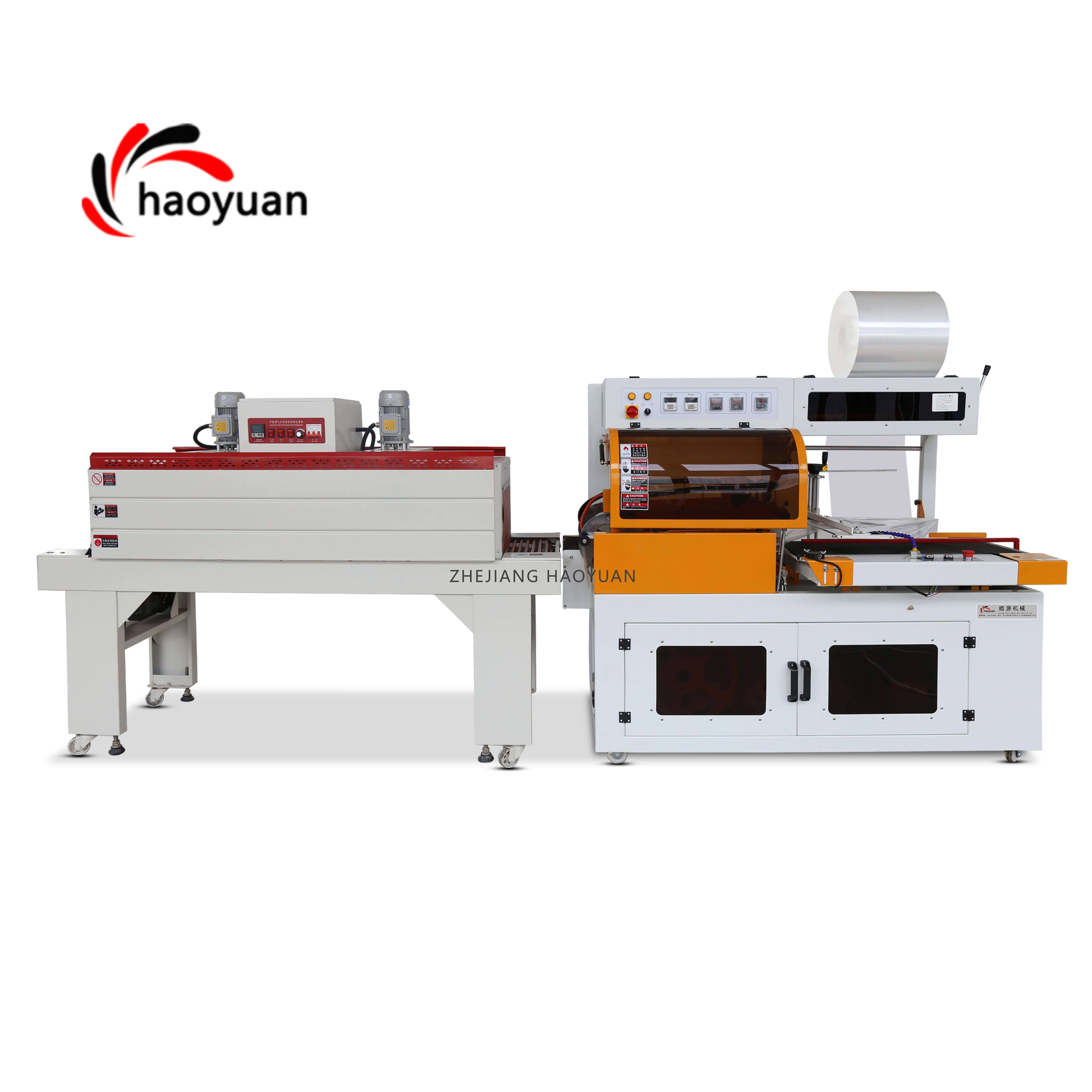
Shrink Wrap Machine Applications in Food Packaging
Ensuring Freshness and Safety With Shrink Wrapping Technology in Food Packaging
Shrink wrap machines today keep food fresh longer because they form tight seals that stop air, moisture, and dirt from getting in. According to the latest industry reports from 2023, around 78 percent of food producers actually rely on shrink film packaging. This kind of wrapping can boost shelf life anywhere between 30 to 50 percent while still complying with those strict FDA and European Union safety regulations. The real benefit here is that it stops bacteria from growing and prevents oxidation too. For items that go bad quickly such as cheese, meat products, or even breads and pastries, this kind of protection makes all the difference in maintaining freshness and reducing waste.
Protection Against Moisture, Contaminants, and Tampering for Compliant Food Packaging
Shrink films with 85% humidity resistance are standard for seafood and frozen items. Anti-fog additives maintain visibility in refrigerated displays, while 2-ply puncture-resistant films (up to 7 N/mm²) reduce shipping damage. Since 2021, over 92% of FDA food recalls involved inadequate packaging—a risk effectively mitigated by properly configured shrink wrap systems.
Growing Trend Toward Sustainable Shrink Films in Food Manufacturing
Biodegradable PLA films now represent 18% of food-grade shrink wrap shipments—up from 6% in 2020. Recyclable polyolefin blends offer comparable durability (4 MPa tensile strength) and reduce landfill waste by 70% compared to PVC. More than 60% of EU food brands require plant-based shrink films to align with 2025 circular economy targets.
Shrink Wrap Machine Use in Electronics Manufacturing
Bundling components and protecting sensitive devices using shrink film
Shrink wrap machines bundle up electronic components such as connectors and circuit boards securely without causing scratches. When heat is applied just right, the film conforms tightly even on oddly shaped items. The special ESD safe films used have surface resistance under 10^11 ohms which stops those annoying electrostatic discharges that can really mess up sensitive components according to the ESD Association report from 2023. Most importantly, all these materials comply with the IEC 61340-5-1 standard requirements for controlling static electricity. This compliance isn't just paperwork either it actually makes a difference in protecting valuable electronics during storage and transport.
Superior transit protection for electronics with durable shrink wrap solutions
Industrial-grade shrink films endure 120-hour humidity tests and 2,500-mile vibration simulations without compromising barrier performance. A 2023 logistics study found shrink-wrapped electronics experienced 45% less shipping damage than those protected only by cardboard. Multi-layer films with UV inhibitors and puncture-resistant additives have reduced moisture-related warranty claims by 62% on tropical shipping routes.
Case Study: Protecting circuit boards during international shipping with shrink wrap
A European electronics manufacturer reduced moisture-related defects in automotive control modules by 89% after switching to anti-fog shrink film. Full 360° visibility enabled 100% inspection compliance, while packaging labor costs dropped by 24%. The change yielded $280k in annual savings on replacement parts and improved on-time delivery rates to Asian markets to 98.7%.
Cross-Industry Applications of Shrink Wrap Machines
Shrink wrap machines deliver value far beyond food and electronics, serving industries that demand durable, tamper-resistant, and logistically efficient packaging. Their adaptability makes them ideal for regulated sectors and complex supply chains.
Expanding Use in Pharmaceuticals, Automotive, and Consumer Goods Sectors
The pharmaceutical industry depends heavily on shrink wrap technology to keep medical devices and medication kits sterile throughout transportation and storage. Car part manufacturers have their own needs too, often turning to heat sealed film solutions when bundling engine parts together. This helps protect sensitive components from rust and damage while sitting on warehouse shelves for months at a time. For everyday products we buy at stores, shrink wrap serves another purpose entirely. It brings together multiple items into one package like those bundles of cleaning supplies or packs of shampoo and conditioner. The packaging not only shows if someone has opened it before but also looks good on store shelves ready for customers to grab off the rack.
Adapting to Diverse Product Shapes and Sizes for Maximum Machine Versatility
Modern machines handle everything from syringes to HVAC units thanks to adjustable sealing bars and programmable tension controls. This flexibility allows secure packaging of irregular items like exhaust systems or vial trays without sacrificing seal integrity.
Unitizing Products for Streamlined Logistics and Transport Efficiency
By consolidating bulk items into stable loads, shrink wrapping reduces shipping damage by 18% compared to strapping alone (2023 Logistics Packaging Report). Retailers benefit particularly when shipping mixed-product pallets, as film wrapping prevents component separation without additional adhesives.
How Shrink Wrapping Supports Compliance and Sterility in Regulated Industries
In GMP-compliant pharma operations, anti-static shrink films meet ISO Class 5 cleanroom requirements. Automotive Tier 1 suppliers use UV-resistant wraps for outdoor part storage. Tamper-evident seals also support regulatory compliance, including FDA 21 CFR Part 11, by providing verifiable audit trails for electronic recordkeeping.
Key Features and Technological Advancements in Shrink Wrap Machines
High-speed performance: machines handling over 100 packages per minute
Advanced servo-driven motors and precision PLC controls allow modern machines to exceed 120 packages per minute. These systems maintain consistent tension across irregular shapes and reduce film waste by up to 15% versus conventional models.
Durability and reliability under continuous operation in industrial environments
Hardened steel components and redundant heating systems enable uninterrupted 24/7 operation. A 2024 industry survey found such upgrades reduce unplanned downtime by 37% in high-volume plants.
Innovations in seal integrity, energy efficiency, and material usage
L-bar sealing technology now delivers 99.8% leak-proof seals, even with biodegradable films. Smart tension systems dynamically adjust film feed and heat distribution, cutting energy use by 22% (Packaging Tech Today).
Smart manufacturing: IoT sensors enabling predictive maintenance
Integrated vibration sensors and thermal imaging detect bearing wear up to 72 hours before failure. In an automotive parts facility, this IoT capability reduced annual maintenance costs by $18,000 and extended machine lifespan (Von Packing Blog).
Balancing automation advancements with workforce considerations
While automated systems handle 85% of repetitive tasks, there has been a 41% increase in technician roles focused on programming and quality oversight since 2022. This shift underscores the importance of intuitive human-machine interfaces in next-generation machine design.
FAQ
What are the key benefits of using shrink wrap machines in food packaging?
Shrink wrap machines keep food fresh longer by forming tight seals that prevent air, moisture, and dirt from entering. They can extend shelf life by 30 to 50 percent while complying with FDA and EU safety regulations.
How are shrink wrap machines used in the electronics industry?
In the electronics industry, shrink wrap machines bundle components securely without scratches and protect sensitive devices through ESD safe films. These films prevent electrostatic discharges, ensuring the safety and compliance of electronics.
How do shrink wrap machines enhance logistics in various industries?
Shrink wrap machines enhance logistics by unitizing products, which reduces shipping damage, consolidates bulk items, and maintains compliance with regulatory standards. These features make them versatile across industries such as pharmaceuticals, automotive, and consumer goods.
Table of Contents
- Shrink Wrap Machine Applications in Food Packaging
- Shrink Wrap Machine Use in Electronics Manufacturing
- Cross-Industry Applications of Shrink Wrap Machines
-
Key Features and Technological Advancements in Shrink Wrap Machines
- High-speed performance: machines handling over 100 packages per minute
- Durability and reliability under continuous operation in industrial environments
- Innovations in seal integrity, energy efficiency, and material usage
- Smart manufacturing: IoT sensors enabling predictive maintenance
- Balancing automation advancements with workforce considerations
- FAQ