
 EN
EN



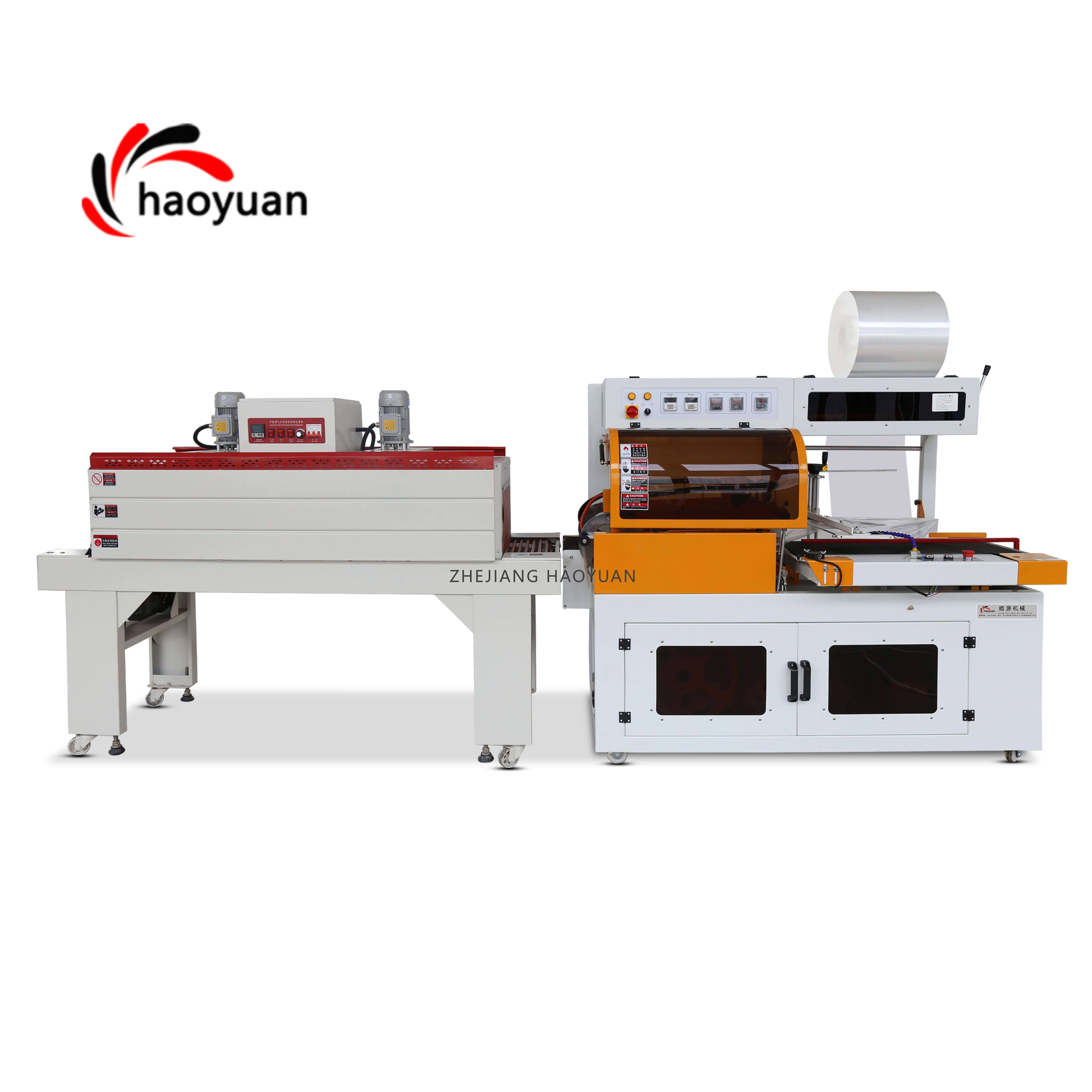
Streamlining Operations with Shrink Wrap Machine Integration
Understanding Shrink Wrapping Machines for E-commerce
Shrink wrap machines that automate the process typically work with heat sealed plastic film to produce strong packaging that keeps products safe from tampering. These machines can crank out around 60 items every minute, which is pretty fast for most operations. The newer models come with motion control features that let them tackle all sorts of product sizes seen in online retail businesses today. Think about how they handle everything from tiny gadgets like phone cases right up to large appliances or furniture boxes. What this means for warehouse managers is that they no longer need workers spending hours manually sealing boxes with tape. According to industry reports, companies report cutting down their packaging times anywhere between 40% to almost two thirds when switching to automated solutions. Plus, there's much less variation in quality since each package gets wrapped consistently throughout an entire order run.
Integration of Shrink Wrap Machines into Fulfillment Workflows
Today's shrink wrap systems work right alongside warehouse management software, connecting up with those barcode scanners and label printers to handle the last step of packaging automatically. Most top manufacturers have come up with modular setups that can be added onto current conveyor belts without causing much disruption when they install them. The way everything connects together lets managers tweak how much film gets used and adjust how fast things move through the line, which is super helpful when order numbers go up and down throughout busy periods like holiday shopping seasons or back-to-school time.
Increasing Throughput and Labor Efficiency via Automation
Throughput Improvement in Packaging with Automated Shrink Wrappers
Shrink wrap machines that are fully automated can handle around 60 packages every minute, which is roughly three times faster than what someone could do by hand. Some industry reports back this up too. For warehouses dealing with holiday rushes or other busy periods, this kind of speed boost means they don't have to hire extra staff just to keep up. Take one company in the Midwest for instance. After switching to automated systems, their daily production jumped by almost half. The real magic happens behind the scenes though. These machines come equipped with straight line feeding mechanisms and smart sensors that detect when things need adjusting. This setup keeps everything moving smoothly through the system without those frustrating slowdowns that used to happen all the time with older equipment.
Automation in Shrink Wrapping and Its Impact on Labor Allocation
When facilities automate the film application and sealing processes, they typically see around a 25 to 40 percent reduction in packaging labor expenses. At the same time, workers get moved into quality control positions where their skills are better utilized. Take for instance a major third party logistics company that reported nearly 18% boost in productivity after training employees to work with these new automated systems. Staff members who used to do the same repetitive motions all day are now dealing with problems as they come up and finding ways to tweak the processes for better results. This kind of reallocation not only saves money but also keeps the workforce engaged in more meaningful work throughout the operation.
Precision Shrink Technology Enabling Faster Cycle Times
Modern heat control systems can hit around ±2 degrees Celsius in temperature accuracy, which means no more fiddling with manual adjustments that used to create about 12% downtime across operations. When paired with automatic film tension controls, this tech allows production cycles to run anywhere from 30 to almost 50 percent quicker compared to older semi-auto machines. Electronics that need careful temperature management benefit greatly too. With such precise heating, products spend roughly 27% less time exposed to high temps without sacrificing the quality of the wrapping process, according to tests looking at how efficiently heat is applied during manufacturing runs.
Cost Savings and Sustainable Packaging Optimization
Cost reduction via film optimization and automated processes
Modern shrink wrap machines optimize film usage through automated tension control and pattern recognition. Data from the 2024 Packaging Optimization Report shows facilities reduce material waste by 18–27% when pairing automated wrappers with thickness-adjusting dispensers. This precision prevents over-wrapping while meeting protective standards, lowering per-unit packaging costs.
Reduced labour costs through automation of shrink wrap operations
Automated shrink wrapping reduces manual labor needs by 30–40% in fulfillment centers. One Midwest-based distributor redeployed 12 workers from repetitive wrapping tasks to quality control roles after implementing semi-automated machines, improving oversight without increasing headcount.
Industry Paradox: Balancing sustainability with protective packaging demands
While 68% of e-commerce operators prioritize eco-friendly films (GreenCommerce 2024), 41% report increased damage claims with thinner materials. Advanced shrink wrap machines resolve this conflict using dual-sensor systems that apply the minimum viable film layers while maintaining compression resistance–achieving 99.2% protection rates with 25% less plastic than industry averages.
Space Utilization and Logistics Benefits of Shrink-Wrapped Units
Optimized space utilization in shipping containers and storage
Shrink wrap machines can pack things much tighter inside regular shipping containers, making space savings of around 20%. They do this by squishing all those weird shaped items into neat blocks, according to research published last year on optimizing supply chains. When warehouses actually implement this method, they find they can fit about 15% more stuff in each cubic foot of storage space than when items are just tossed in any old way. The magic happens because these machines replace all that extra cardboard and plastic wrapping with simple heat sealed film. Packages end up being roughly 8% smaller overall, which makes a big difference when trying to figure out how best to load trucks for partial loads. Some companies have reported cutting down their outgoing shipments by nearly a third simply by getting better at using available space once they started using shrink wrap technology across their operations.
Improved stacking stability and reduced freight damage
Products wrapped in shrink film show about 28 percent better stability when stacked on pallets compared to regular packaging according to tests done under ISO 11607 standards from the 2024 Freight Security Report. When machines apply tension during wrapping, they create this hard outer layer that keeps things from moving around while being transported. This has led to roughly 19% fewer claims about damaged freight. The extra strength allows warehouses to stack up to nine layers high instead of just seven without wrapping, which cuts down storage expenses for each product type by around 22%. For online retailers dealing with delicate items, getting rid of those edge compression problems that cause 41% of all shipping damages really makes shrink wrapping a must have solution these days.
Frequently Asked Questions
What is the primary benefit of using shrink wrap machines in e-commerce?
Shrink wrap machines automate packaging, leading to increased efficiency, cost reduction, and consistent quality. This helps protect products from tampering and damage during shipping.
How do shrink wrap machines enhance operational efficiency?
These machines standardize package dimensions, improve loading times, reduce labor costs by reallocating staff, and minimize material waste.
Are shrink wrap machines sustainable?
Yes, modern machines optimize film usage to reduce waste and allow using recycled films, thus cutting plastic consumption.
Can shrink wrap machines help in reducing product damage?
Yes, shrink wrap machines create consistent and tamper-resistant seals, reducing product damage rates and facilitating uniform sealed units for handling and transport.