
 EN
EN



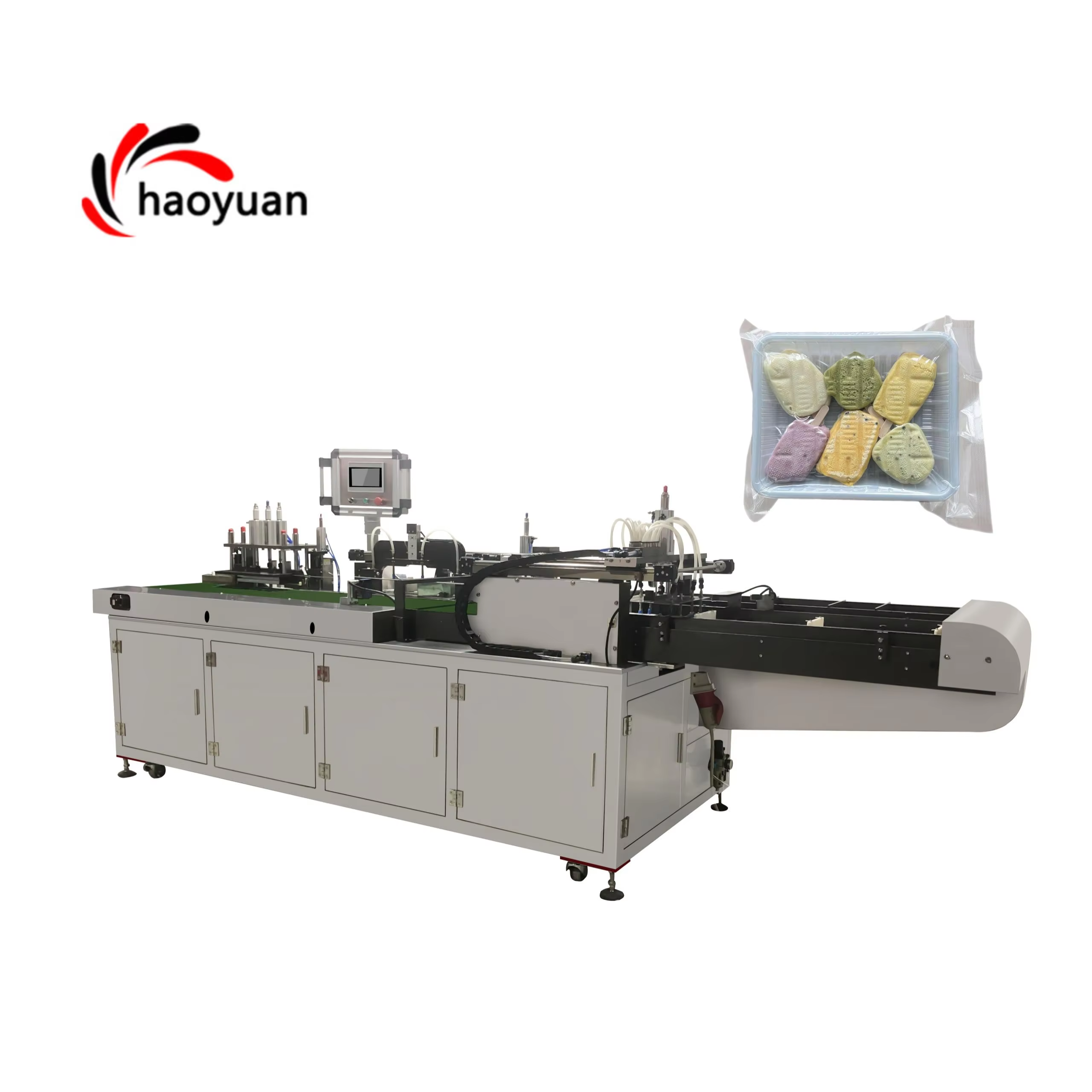
Speed and Efficiency: Maximizing Throughput with Automatic Bag Packing Machines
Throughput Benchmarks: Achieving Up to 3400 Bags/Hour in Real-World High-Volume Settings
Automatic bag packing machines today can churn out around 3,400 bags an hour when running at full tilt during mass production runs. That's roughly three to five times what people could manage manually, based on some recent packaging studies from last year. While workers get tired and their output fluctuates throughout the day, these machines keep going strong shift after shift with the same speed and accuracy. This consistency knocks down those annoying bottlenecks that used to drag down whole production lines by somewhere between 20 and 30 percent. What makes all this possible? The secret sauce lies in something called VFFS technology. It handles form, fill, and seal operations all at once in one smooth sequence. No stopping or starting needed, so the machines just keep rolling without any breaks in the action.
Manual vs. Automatic Bagging: Quantifying Gains in Output, Consistency, and Downtime Reduction
Automated bag packing delivers measurable advantages across core operational metrics:
| Performance Metric | Manual Bagging | Automatic Bag Packing Machine | Improvement |
|---|---|---|---|
| Output Consistency | Variable quality | ±0.5% weight accuracy | 98% fewer errors |
| Operational Downtime | 30+ min/shift for breaks | <5 min/shift for maintenance | 85% reduction |
| Per-Unit Cost | High labor dependency | Optimized resource use | 15–25% savings |
These gains compress production cycles by 20–30%, while near-zero spillage and repositioning delays cut material waste. By removing human variability, automated systems also reduce training overhead, rework, and quality-related scrap—making them the operational backbone of scalable, high-volume manufacturing.
VFFS Technology: The Engine of Continuous High-Volume Packaging
How Vertical Form Fill and Seal (VFFS) Systems Enable Uninterrupted 24/7 Operation
Vertical Form Fill Seal systems work differently from those stop-start machines out there. They run continuously thanks to servo motors controlling the film movement while sealing jaws stay perfectly timed together, keeping production rates well over 3,000 bags per hour consistently. The built-in PLC controllers keep tabs on everything from seal temps to how tight the film is running plus when it fills each bag. If something starts going off track, these smart systems catch it early and make adjustments so we avoid those annoying defects or machine jams that slow things down. For industries making snack foods or pharmaceutical products where missing deadlines means spoiled goods or failed inspections, this kind of reliable around-the-clock performance makes all the difference. And because these systems have been fine-tuned for smooth operation, parts last longer too. We're talking about components lasting roughly 40% longer than standard equipment, which cuts down on how often technicians need to climb inside for repairs and replacements.
Precision Filling and Minimal Product Waste in Demanding High-Volume Environments
VFFS systems come equipped with fast filling equipment like multi head weighers or auger setups that keep weight measurements within about half a percent accuracy, even when running over 100 fills every minute. The money savings from this kind of control are pretty substantial too. Just think what happens if there's an extra gram in each package. According to Food Processing magazine from last year, that small overfill would cost around seventy four thousand dollars a year for someone making fifty million packages. The film used also gets better managed thanks to lasers guiding where things go and adjustments made to how tight everything stays. This cuts down on mistakes and saves about fifteen percent in materials compared to older machines. Best part? The bags still hold up fine and stay strong even when moving quickly along production lines.
Scalability and Adaptability: Future-Proofing High-Volume Production with Automatic Bag Packing Machines
Rapid Changeovers and Multi-Product Flexibility via Modular Tooling and PLC Recipe Management
The combination of modular tooling systems with PLC controlled recipes really changes how fast production can adapt. Factory workers aren't stuck waiting for hours when they need to switch from making 5kg bags to 50kg ones or change materials entirely. The whole process takes less than five minutes now instead of what used to be an all day affair. What's even better? One central PLC system can remember hundreds of different product setups at once. Think about all those details like jaw positions, how much gets filled into each bag, sealing temperatures, and conveyor belt speeds. Just hit a button and everything adjusts automatically. Most plants report something like a 70% reduction in downtime during product changes, though results vary depending on equipment age. These systems work across multiple industries too. Same machinery handles snacks for kids, food for pets, and bulk materials for manufacturing. As markets shift and new products come along, manufacturers find their initial investments keep paying off rather than becoming obsolete after just a few years.
Reliability and Operational Sustainability: Lowering TCO Through Smart Maintenance and Labor Optimization
Automatic bag packing systems cut down on Total Cost of Ownership mainly because they predict when parts need replacing and require fewer workers overall. These machines come equipped with built-in sensors that monitor things like bearing wear, how hard the motors are working, and signs that the seal jaws are wearing out. When something looks off, the system sends warnings so technicians can replace parts before breakdowns happen. This approach keeps machines running about 95% of the time and saves around 40% in repair bills compared to waiting until something breaks. Plus, a single tech can watch over several automated lines at once, which means fewer manual packers are needed. That cuts labor costs, reduces mistakes that lead to wasted product, and also minimizes workplace injuries from repetitive tasks. Considering that every hour a factory line stops costs roughly $260k according to the Manufacturing Efficiency Institute report from last year, these savings really add up. For companies looking to maintain steady output while keeping costs under control, investing in automatic systems just makes good business sense in the long run.
Frequently Asked Questions (FAQ)
1. What is VFFS technology?
VFFS stands for Vertical Form Fill and Seal. It's a packaging technology that allows for continuous bagging operations, significantly increasing efficiency by handling the forming, filling, and sealing processes simultaneously.
2. How do automatic bag packing machines reduce labor costs?
These machines require fewer manual operators because they are largely automated and can be managed by a single technician overseeing multiple lines, thereby reducing labor costs substantially.
3. What industries benefit most from automatic bag packing machines?
Industries such as food processing, pharmaceuticals, and any manufacturing sector that requires high-volume packaging benefit the most from these machines due to their efficiency and scalability.
4. How do automatic systems minimize downtime during product changes?
Automatic systems use modular tooling and PLC recipes to quickly adapt to product changes. This allows for production flexibility and cuts down the changeover time from hours to just a few minutes.
Table of Contents
- Speed and Efficiency: Maximizing Throughput with Automatic Bag Packing Machines
- VFFS Technology: The Engine of Continuous High-Volume Packaging
- Scalability and Adaptability: Future-Proofing High-Volume Production with Automatic Bag Packing Machines
- Reliability and Operational Sustainability: Lowering TCO Through Smart Maintenance and Labor Optimization
- Frequently Asked Questions (FAQ)