
 EN
EN



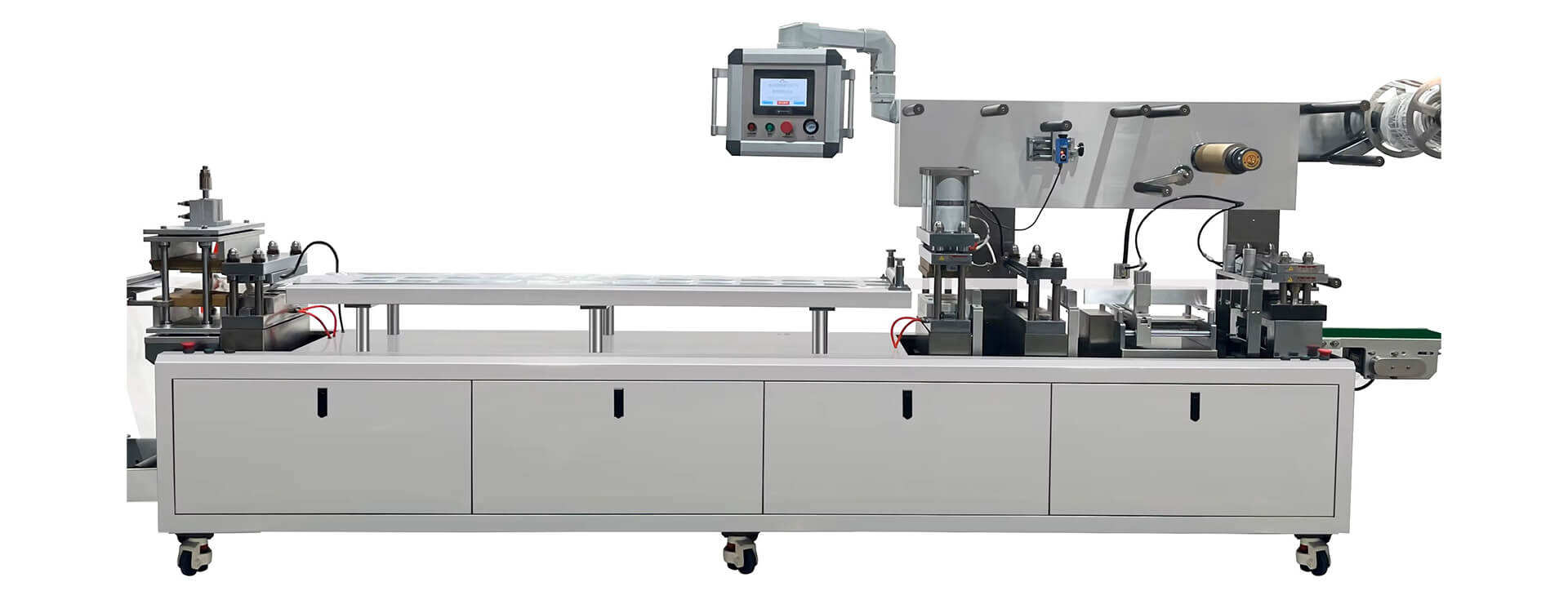
Reliability and Predictable Maintenance of Automatic Bag Packing Machines
Predictive maintenance protocols reduce unplanned downtime by up to 42% (PwC, 2023)
Today's automatic bag packing systems come equipped with IoT sensors that track things like vibration levels, temperature changes, and torque measurements as they happen. These sensors send information to predictive software that can spot early signs of component wear long before anything actually breaks down sometimes catching issues several days in advance. Factories that have implemented this kind of monitoring report seeing their unexpected stoppages fall by around 40 percent when compared to old fashioned reactive maintenance approaches. Parts such as servo motors and sealing jaws get swapped out during planned maintenance windows instead of waiting for them to fail right in the middle of production shifts which really messes up daily output goals. What this means for manufacturers is consistent performance from their machines even when running at full capacity for hours on end without letting quality slip.
Modular design extends mean time between failures (MTBF) to 12,000 operating hours
Modules that are self contained and require no tools work wonders for sealing jaws, film feeders, and weighing systems. They help pinpoint problems quickly and speed up repairs. Faulty parts can be swapped out in less than 15 minutes all while production continues running. The design stops failures from spreading throughout the system and keeps things working properly even when replacing components. Maintenance teams report mean time between failures of over 12,000 hours, which is almost three times better than what older equipment typically achieves. Pair these modular designs with smart predictive analytics software and maintenance expenses drop around 31% per year. Best part? Production stays online during busy periods since technicians don't need to shut everything down just to fix one small issue.
Elimination of Human Variability Through Automatic Bag Packing Machines
Fill-weight deviation shrinks from ±5.2g (manual) to ±0.3g (VFFS) – enabling tighter spec compliance
Automatic bag packing machines using Vertical Form Fill Seal (VFFS) technology can achieve fill weight accuracy that simply isn't possible when people pack products by hand. The difference is huge too - weights vary only between plus or minus 0.3 grams compared to around 5.2 grams manually, which means about seventeen times better precision. These machines work so well because they're powered by servo motors for dosing, taking away all the guesswork humans bring to the table. No more trying to eyeball how much goes into each bag or dealing with the inconsistencies of hand filling. When bags are packed this accurately, companies stay within those strict FDA standards, meet European Union food safety rules, and hit whatever targets retailers set for package weights. Plus, there's less wasted product going out the door while still keeping everything up to quality standards.
Consistent output quality across shifts and operators eliminates fatigue- and training-related drift
Manual packaging work shows real differences in output quality, sometimes varying by as much as 23% when comparing seasoned workers to newer ones. Automated VFFS systems eliminate these fluctuations entirely no matter what time of day they run or how tired operators might be after long shifts. The seals stay strong, bags keep consistent size, and everything looks presentable even during those marathon production sessions that go on for days straight. What makes this so valuable is that it stops the slow decline in product quality that happens with human operated packaging lines. When workers get distracted, change positions throughout their shift, or take little shortcuts to save time, these small issues build up over time until the final product just doesn't meet standards anymore.
VFFS Technology as the Core Enabler of Long-Term Production Stability
Pillow bag VFFS wrappers maintain ±0.8mm seal integrity tolerance across 10,000+ cycles
Vertical Form Fill Seal (VFFS) technology forms the mechanical and control foundation for long-term production stability. Pillow bag VFFS wrappers sustain ±0.8mm seal integrity tolerance across more than 10,000 consecutive cycles—a benchmark rooted in precision-engineered servo film drives and closed-loop thermal control. This consistency delivers three critical advantages:
- Leak prevention: Uniform seal widths eliminate micro-leaks that compromise shelf life and trigger costly recalls
- Material efficiency: Fewer faulty seals cut annual packaging film waste by 12–18%
- Batch continuity: Stable mechanics reduce changeover time between SKUs and support longer uninterrupted runs
VFFS systems keep consistent vertical film tension during all stages of operation from forming to sealing, unlike those old school cam driven or stop start machines. This means they can adjust on the fly when things get tricky like when there are changes in humidity levels, differences in film thickness, or temperature fluctuations messing with the process. Manufacturers who want their operations to stay reliable even when conditions change will find that VFFS goes beyond being merely another packaging solution. Instead, it becomes something much better over time a dependable system that delivers stable results again and again without all the headaches associated with less advanced technologies.
FAQs
What is predictive maintenance in automatic bag packing machines?
Predictive maintenance uses IoT sensors to track real-time data on machine operations, allowing for early detection of potential issues to reduce unexpected downtime.
How do modular designs benefit bag packing machines?
Modular designs allow quick and easy replacement of faulty parts without halting production, thereby extending mean time between failures and reducing maintenance costs.
Why is VFFS technology important for production stability?
VFFS technology offers precision and consistency in seal integrity, reducing material waste and ensuring stable operational performance across cycles.