
 EN
EN



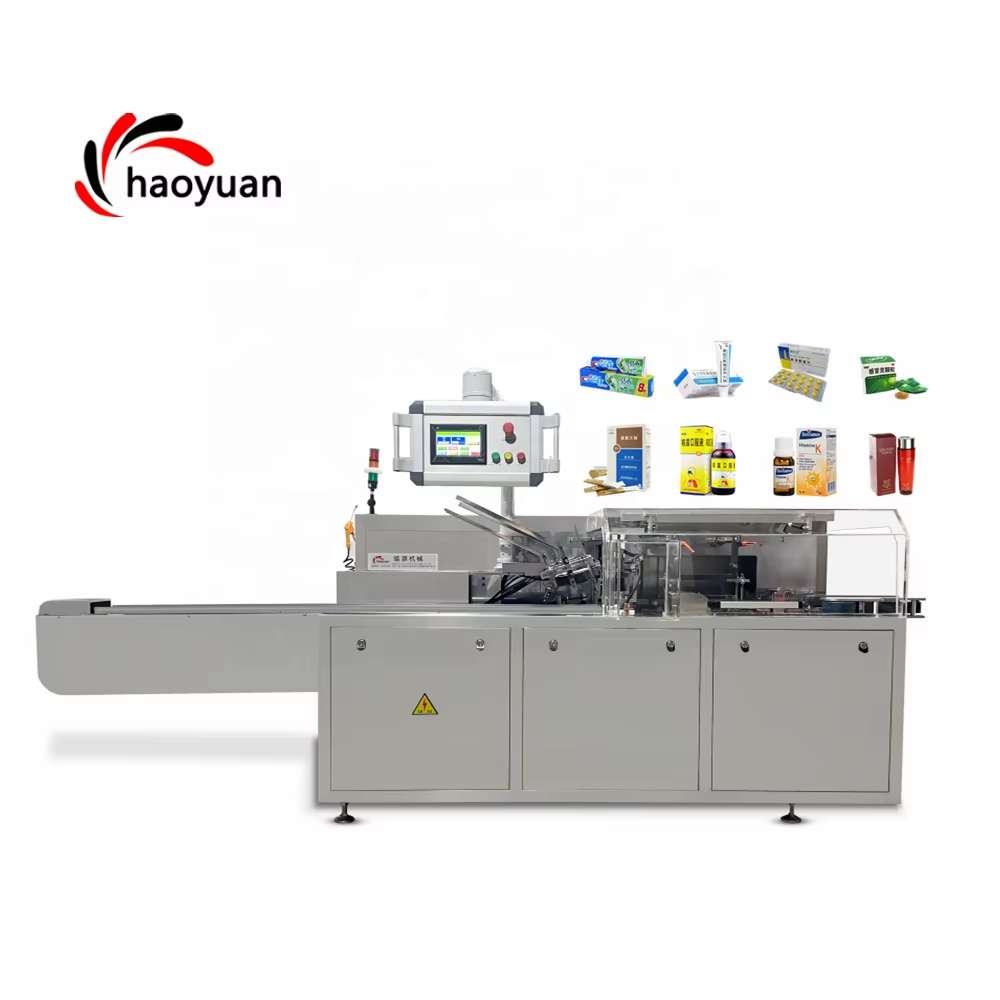
Neglecting Regular Lubrication and Scheduled Maintenance
How Improper Lubrication Accelerates Wear in Carton Packing Machines
When carton packing machines aren't lubricated correctly, friction between parts can jump as much as 68% according to research from the Food Manufacturing Alliance back in 2023. Without proper lubrication, metal parts rubbing against each other in places like guide rails, bearings, and those folding arms create all sorts of problems. The friction builds up heat which then starts to warp the alignment systems over time. What happens next? Motors have to push through this resistance, working anywhere from 12 to maybe even 15 percent harder just to keep things running at normal speed. And when motors strain like that, it doesn't take long before we see increased wear and tear on servo drives and gearboxes throughout the system.
Best Practices for Lubricating Moving Parts to Reduce Friction
Adopt these evidence-backed lubrication strategies:
| Practice | Benefit | Frequency |
|---|---|---|
| Use ISO VG 220 synthetic oil | 37% lower viscosity breakdown vs. mineral oils | Every 400 operating hours |
| Clean grease points before application | Prevents abrasive contamination | Before each lubrication cycle |
| Monitor oil temperature with infrared sensors | Detects overlubrication early | Real-time during operation |
A leading packaging plant reduced component replacements by 55% after implementing these steps alongside operator certification programs.
Industry Data on Downtime Caused by Skipped Maintenance Routines
74% of unplanned downtime in carton machines stems from deferred lubrication tasks (PMMI 2022). Each lubrication-related failure causes an average of 14.7 hours of production loss, costing manufacturers $23,100 per incident. Plants skipping more than 30% of scheduled maintenance see 83% higher annual repair bills compared to compliant operations.
Skipping Routine Inspections and Missing Early Warning Signs
Key inspection techniques for early detection of machine wear
Proactive inspection methods prevent 30% of carton packing machine failures caused by undetected wear. Effective techniques include:
- Vibration analysis: Use handheld meters to identify irregular patterns in drive motors
- Thermal imaging: Scan chain drives and gearboxes for abnormal heat buildup
- Lubrication point audits: Check grease distribution in pivoting arms and conveyor joints
Daily visual inspections of folding mechanisms and vacuum seals take under 8 minutes but reduce replacement part costs by 19% annually. Operators should document belt tensions and clamp pressures weekly using standardized gauges.
Common mechanical issues operators overlook during daily checks
53% of maintenance teams miss these critical failures during routine checks:
- Degraded glue nozzle seals (causing adhesive leaks that harden into obstructions)
- Micro-cracks in compression arms (visible under angled light inspection)
- Conveyor chain tooth wear (measured with go/no-go gauges)
- Corroded electrical contacts (leading to intermittent sensor failures)
Overworked crews often skip checking hard-to-reach areas like undercarriage bearings or inner channel guides. Implement color-coded inspection checklists rotated weekly to ensure full system coverage.
Delaying Replacement of Worn Components Due to Cost Concerns
The Hidden Cost of Postponing Part Replacements in Carton Packing Machines
Many operators put off replacing those worn out parts such as belts, gears, and bearings just to save money upfront. But what they don't realize is that this approach actually costs about 40 percent more in total ownership expenses over three years. When parts wear down, all sorts of problems start happening. Take a frayed sealing strip for instance. If it's not replaced, dust and dirt get into the motion sensors which then causes alignment issues that stop production completely for several hours at a time. According to research from Automotive Fleet in 2023, waiting too long on part replacements leads to roughly 58% more unplanned downtime when compared to getting things fixed proactively. And guess what? Repair bills tend to be around three times what regular maintenance would have cost. All these added expenses from lower efficiency, extra damage, and lost production usually end up costing six times more than whatever was saved initially by delaying repairs.
Using Predictive Maintenance to Optimize Timing for Component Swaps
Modern monitoring tech has changed how we decide when to replace parts. These systems use vibration sensors to watch how fast bearings are wearing down, and thermal imaging to spot when drive motors get too hot before they actually fail. When these signs appear, the system sends out warnings so maintenance can happen before breakdowns occur. Plants that have adopted this approach see about 35 percent fewer urgent part changes and their equipment tends to last around 22 percent longer on average. Smart maintenance teams schedule replacements during times when production naturally slows down anyway, such as when switching between different products. This timing helps keep things running smoothly without those annoying stoppages that disrupt workflow.
Lack of Operator Training and Standardized Maintenance Practices
How Inconsistent Operation Leads to Avoidable Machine Damage
When operators aren't properly trained, they tend to cut corners that end up shortening how long machines last. Things like setting speeds incorrectly, forcing open stuck parts instead of following proper procedures, or just plain forgetting to do those important alignment checks before starting up. What happens then? The machines start experiencing all sorts of strange stresses across their systems. Servo motors get overworked, transmission belts wear out faster than normal because these components simply weren't built to handle random spikes in workload. Take what often occurs when someone decides to bypass safety measures just to fix a jammed flap quickly. This kind of shortcut doesn't just break things - it actually warps the registration sensors inside, which means the whole system needs expensive recalibrations down the line. Something many shop managers forget until their repair bills start climbing.
Benefits of Trained Teams: Data Showing 40% Fewer Breakdowns
When staff go through standardized training programs, they tend to stick with proven procedures which cuts down on major system failures. Plants that keep written maintenance records and run regular skill updates see around 40 percent less unexpected downtime than places where people just wing it most of the time. Teaching workers how to spot problems before they escalate and know when to shut things down properly really helps prevent those quick patch jobs that end up causing even more trouble later on. Maintenance crews who can catch the first signs something's wrong with air valves respond to issues about 72% quicker according to what most maintenance folks are seeing across different industries these days.
FAQ
What happens if carton packing machines aren't lubricated properly?
Improper lubrication can cause increased friction, leading to overheating and warping of parts. It forces motors to work harder and can accelerate wear on servo drives and gearboxes.
Why is regular cleaning important for carton packing machines?
Regular cleaning prevents debris buildup that can impair machine efficiency and cause electrical issues, reducing performance and lifespan.
What are the dangers of skipping routine inspections?
Skipping inspections can result in missing early warning signs of machine wear, leading to failures and increased maintenance costs.
How does predictive maintenance benefit packaging plants?
Predictive maintenance optimizes part replacement timings, reduces urgent part changes, and extends equipment lifespan.
Why is operator training important in machine maintenance?
Proper training ensures operators follow correct procedures, reducing machine stress and damage, and preventing costly repairs.
Table of Contents
- Neglecting Regular Lubrication and Scheduled Maintenance
- Skipping Routine Inspections and Missing Early Warning Signs
- Delaying Replacement of Worn Components Due to Cost Concerns
- Lack of Operator Training and Standardized Maintenance Practices
-
FAQ
- What happens if carton packing machines aren't lubricated properly?
- Why is regular cleaning important for carton packing machines?
- What are the dangers of skipping routine inspections?
- How does predictive maintenance benefit packaging plants?
- Why is operator training important in machine maintenance?