
 EN
EN



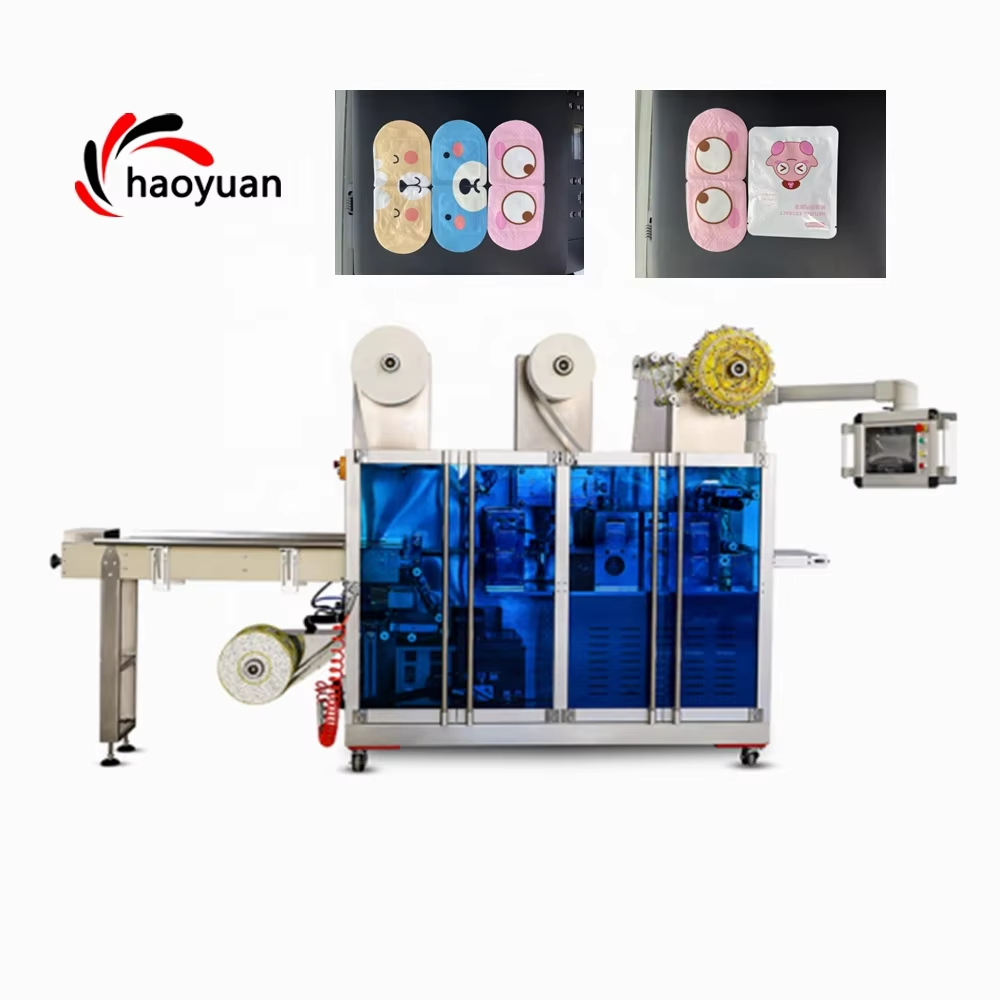
Growing Demand and the Need for Production Scalability in Steam Eye Mask Production
Rising consumer demand in skincare and wellness markets driving production volume needs
Steam eye masks have taken off globally, mostly because people are getting more interested in taking care of their eyes and overall wellness routines. Demand shot up around 35% last year alone, as folks look for easy ways to relax and beat tired eyes after long days at work or screen time. All this sudden popularity means manufacturers need to crank out products much faster than before. The old school manual production lines can barely turn out 500 to 800 masks each shift, but today's orders call for thousands every day. What makes matters worse for companies trying to keep up is that the beauty industry has super strict rules about cleanliness and product consistency. Trying to scale up manually just doesn't cut it anymore, leaving many brands stuck between wanting to grow and struggling to maintain quality standards.
Labor shortages limiting scalability of manual steam eye mask production
Finding enough workers is making it harder to scale up manual production methods. Personal care manufacturers have struggled mightily lately - we're talking about roughly 18 percent fewer skilled workers available compared to 2022, while wages keep climbing at similar rates. Running a manual production line means having between 15 and 20 trained people working each shift. But getting new hires up to speed typically takes anywhere from four to six weeks, which really slows down any plans to expand operations. When staff levels fluctuate so much, product quality starts to vary too. This leads to higher rejection rates and can seriously damage a company's reputation in the market. Throw in these staffing problems along with ever rising labor costs, and manual production just isn't cutting it anymore for companies trying to meet large order volumes.
Cost Structure Analysis: Automated vs. Manual Steam Eye Mask Production
Upfront investment: Automation setup costs versus manual production infrastructure
Setting up automated production lines comes with a hefty price tag right from the start. Most businesses spend between 150k to 300k on machines, getting everything installed properly, plus employee training sessions. On the flip side, sticking with manual methods costs way less initially, around 20k to 50k for simple workbenches and hand tools. Sure, manual systems let companies get going cheaper, but they hit a wall pretty quickly when it comes to how much they can actually produce. The big expense of automation pays off over time though. These systems are built to grow with demand and save money in the long run through better efficiency. Many manufacturers find that after a few years, all those extra dollars spent at the beginning start looking like a smart business decision.
Operational expenses: Maintenance, energy, and labor cost comparisons
The truth is, automated systems do cost more each year for maintenance and power running around $10k to $15k extra compared to traditional methods. But what makes them worth it in the long run is how they slash labor expenses. Factories that go fully automated can reduce their workforce needs by nearly three quarters, which translates to roughly $45k saved every single work shift throughout the year. Sure, manual manufacturing doesn't drain as much electricity, but when companies start producing at larger scales, those employee wages just keep climbing higher and higher. The math changes completely once production ramps up. What was initially seen as a big upfront investment actually becomes much cheaper to operate over time, especially when looking at total operational costs across multiple years.
Hidden costs in both models: Error rates, material waste, and training requirements
The bottom line gets hit hard by those hidden operational costs nobody talks about much. When things are made manually, there's always some waste creeping in somewhere. We're talking around 5 to 8 percent material loss just from day to day variations in how people work. Automated systems cut that down to about 2 or 3 percent because they can maintain such tight control over everything. Then there's the whole training mess too. Bringing on a new person who works manually costs anywhere between two thousand and three thousand dollars these days. Automation changes that equation completely since it needs far fewer workers but ones with different skills altogether. And let's not forget quality checks either. Doing inspections by hand ends up costing roughly thirty to forty percent more than using those fancy automated vision systems when looking at the same amount of product moving through the system.
Real-World ROI: Automation Payback Period and Long-Term Savings in Steam Eye Mask Manufacturing
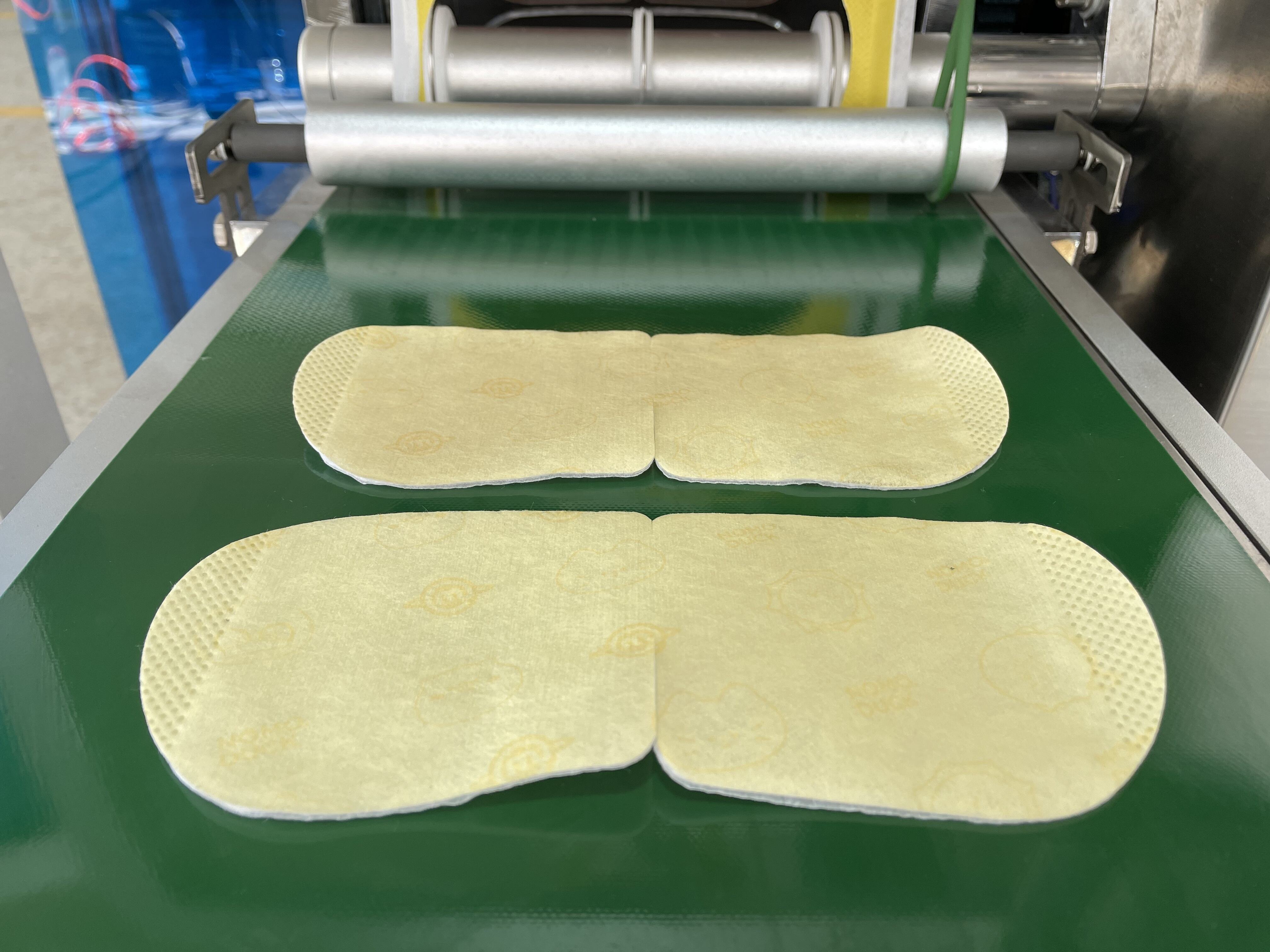
Three-year ROI analysis: Quantifying cost savings from automated production lines
Most manufacturers achieve payback on automation investments within 18–36 months, with break-even commonly reached by month 24. Automated systems increase throughput by 200–300% and reduce labor needs by 40–60%. The initial capital outlay of $200,000–$500,000 is offset by lower labor costs, reduced waste, and improved yield consistency, delivering measurable savings within two years.
Case data: 40% reduction in labor costs and 15% less material waste in Asian manufacturers
Asian manufacturers who have adopted automated systems are seeing significant savings across their operations. Labor costs have dropped around 40%, while material waste has gone down about 15% because machines handle dispensing so accurately and eliminate mistakes people sometimes make. Production yields at these plants tend to be roughly 30% better too, since quality remains consistently high and there aren't as many defective products ending up in the trash bin. All these factors combined typically cut down what it costs to produce each item by approximately 25%. This makes them more competitive in global markets even though setting up such advanced manufacturing lines requires a substantial initial investment upfront.
Break-even timeline: When automation offsets initial capital expenditure
Most businesses hit their break even mark somewhere around 18 to 24 months, though they usually see full return on investment after about three years of operation. Big manufacturers cranking out over half a million units each month tend to cross that threshold quicker thanks to their ability to spread fixed costs across larger volumes. On the flip side, smaller operations making less than 200k items per month might need closer to 30 or even 36 months before costs start paying off. This really highlights why accurate volume forecasts matter so much when planning capital expenditures. For anyone considering automated solutions, doing a detailed cost benefit analysis makes all the difference in figuring out when to pull the trigger on new equipment investments.
Technological Advancements Enhancing Steam Eye Mask Production Efficiency
Automated Material Feeding and Precision Packaging Reducing Downtime and Waste
Modern production lines use automated feeding systems to dispense materials with exact measurements, reducing variability and waste by up to 15%. Precision packaging ensures consistent moisture levels and hermetic sealing, minimizing defects. These integrated systems have reduced downtime by 30% by enabling continuous operation with minimal human intervention.
Smart Sensors and IoT Integration for Predictive Maintenance and Quality Control
Smart sensors keep track of temperature levels, moisture content, and how well seals hold up, all in real time. These sensors send their findings to internet connected systems which can actually tell when maintenance will be needed long before anything breaks down. When companies implement this predictive approach, they tend to see around a 45 percent reduction in unexpected stoppages, plus equipment generally lasts about 20% longer than usual. Meanwhile, automated visual inspection systems spot flaws right away, making quality checks much better. Overall equipment effectiveness jumps by roughly 25% using these modern techniques instead of older manual approaches. The difference is pretty significant for most manufacturing operations.
Strategic Decision-Making: When to Automate Steam Eye Mask Production
High-volume producers: Clear advantages of full automation in throughput and consistency
For manufacturers cranking out more than 50 thousand units each month, going fully automated makes real business sense. These production lines can churn out anywhere between 120 to 150 masks every single minute, which is roughly five times what someone could do manually. And the quality stays remarkably consistent too, with defects happening less than half a percent of the time. Compare that to manual work where mistakes pop up somewhere between 3% and 7% regularly. Sure, setting up such systems costs a pretty penny upfront, usually between two hundred grand and half a million dollars. But most companies find that money comes back pretty quickly, often within just eighteen to twenty four months once they start saving on labor costs and cutting down on wasted materials.
Small-scale producers: Evaluating cost-effectiveness of hybrid manual-automatic models
For producers making 5,000–20,000 units monthly, hybrid models offer a balanced approach. Semi-automatic sealing and packaging systems ($40,000–$80,000) can reduce labor needs by 40–60% while preserving flexibility for small batches and custom formulations common in niche markets.
Balancing long-term savings with short-term financial constraints
When making this choice, companies need to balance what they can afford now against where they want to be in the future. Starting with manual production is initially cheaper, around $15k to $30k for the basics, but there are extra expenses hiding in plain sight. Workers cost between $8 and $12 an hour, plus we're talking about losing 15 to 20 percent of materials during the process. On the flip side, going automated requires bigger upfront investment, no doubt about it. However, once set up, running costs drop dramatically to just $2-$4 per hour equivalent, and material loss shrinks down to only 5-8%. For anyone looking at expanding their operations over time, automation simply makes better financial sense in the long run despite the higher initial price tag.
FAQ
What factors are driving the demand for steam eye masks?
The growing interest in eye care and wellness routines has significantly increased the demand for steam eye masks, as people seek easy ways to relax and alleviate tired eyes.
What are the key advantages of automated production lines?
Automated production lines offer increased throughput, reduced labor needs, lower material waste, and improved yield consistency, ultimately delivering measurable savings over time.
What role does technology play in enhancing production efficiency?
Technological advancements like automated material feeding, precision packaging, smart sensors, and IoT integration significantly reduce downtime, waste, and unexpected stoppages, enhancing overall production efficiency.
How can a company decide when to automate their production?
High-volume producers should consider full automation for greater throughput and consistency, while small-scale producers may benefit from hybrid models that balance automation with manual methods.
How are labor shortages affecting steam eye mask production?
Labor shortages are limiting the scalability of manual steam eye mask production, resulting in higher rejection rates and inconsistent product quality.
Table of Contents
- Growing Demand and the Need for Production Scalability in Steam Eye Mask Production
- Cost Structure Analysis: Automated vs. Manual Steam Eye Mask Production
- Real-World ROI: Automation Payback Period and Long-Term Savings in Steam Eye Mask Manufacturing
- Technological Advancements Enhancing Steam Eye Mask Production Efficiency
- Strategic Decision-Making: When to Automate Steam Eye Mask Production
-
FAQ
- What factors are driving the demand for steam eye masks?
- What are the key advantages of automated production lines?
- What role does technology play in enhancing production efficiency?
- How can a company decide when to automate their production?
- How are labor shortages affecting steam eye mask production?