
 EN
EN



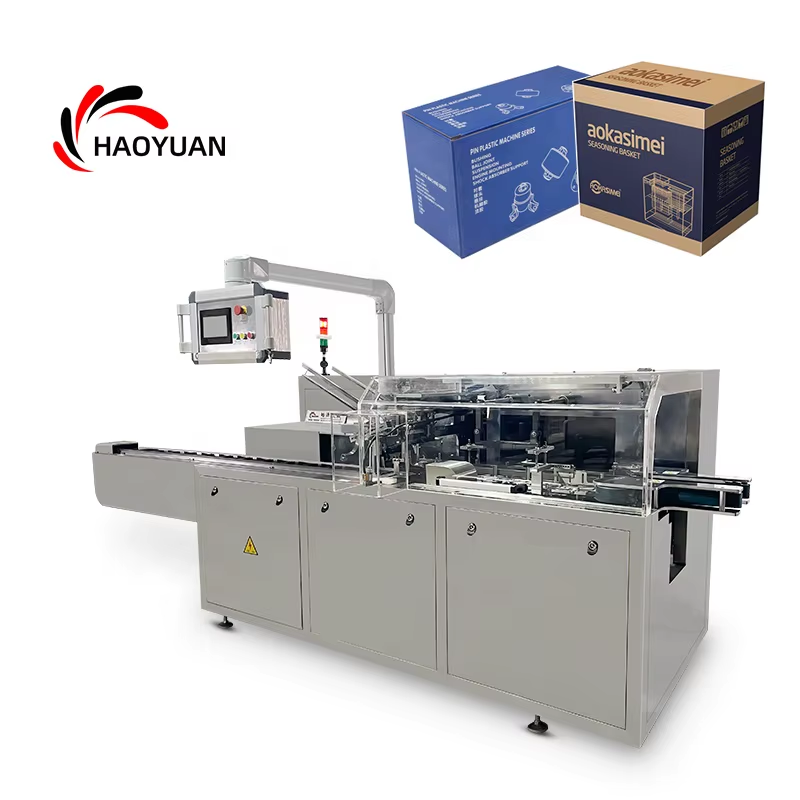
IoT Integration in Carton Packing Machines: Driving Efficiency and Scalability
How IoT Enhances Real-Time Control and Operational Efficiency
Carton packing machines that come with built-in IoT sensors now detect faults about 40 percent quicker than older models, according to the Global Packaging Technology Report from last year. These advanced systems look at changes in torque within a range of plus or minus 1.2 Newton meters as well as track temperature shifts, allowing them to tweak speed settings, alignment issues, and how materials move through the machine on the fly. Take cardboard thickness variations during case formation for instance smart machines can adjust themselves automatically to handle these differences, which cuts down on jamming problems by nearly two thirds when compared with traditional equipment still in use today.
Case Study: Smart Packaging Adoption in the Beverage Industry
A European beverage manufacturer upgraded 12 carton packing lines with IoT-enabled machines, achieving:
| Metric | Pre-IoT | Post-IoT | Improvement |
|---|---|---|---|
| Line efficiency | 72% | 89% | +17 pts |
| Changeover time | 45 min | 12 min | -73% |
| Packaging material waste | 4.1% | 1.2% | -71% |
The system’s machine learning algorithms now predict seasonal demand spikes with 94% accuracy, enabling proactive capacity planning.
Predictive Maintenance and Downtime Reduction in IoT-Connected Carton Packing Lines
Real-Time Monitoring for Proactive Fault Detection
IoT-enabled sensors analyze vibration patterns and thermal signatures, triggering alerts when parameters exceed normal thresholds. Recent industry research shows this approach reduces unplanned downtime by 30–50% in pharmaceutical packaging facilities, while McKinsey's 2024 analysis indicates maintenance cost savings up to 40% through predictive interventions.
Data-Driven Optimization of Packaging Line Performance
By aggregating operational data from IoT-connected machines, manufacturers achieve 12–18% improvements in Overall Equipment Effectiveness (OEE). Machine learning algorithms identify throughput bottlenecks 83% faster than manual analysis methods.
Case Study: Predictive Maintenance in Pharmaceutical Carton Packing
A leading European pharma manufacturer implemented IoT-based condition monitoring across 32 carton packing lines. The system predicted bearing failures 14 days in advance, reducing corrective maintenance hours by 65% and increasing monthly production output by 22%.
Evaluating Cost vs. ROI of IoT-Powered Maintenance Solutions
| Metric | Traditional Maintenance | IoT Predictive Maintenance |
|---|---|---|
| Monthly Downtime | 42 hours | 18 hours |
| Annual Repair Costs | $380,000 | $210,000 |
| Equipment Lifespan | 5.2 years | 7.8 years |
This demonstrates how IoT implementations recover initial technology investments within 11–14 months through reduced operational disruptions and extended machinery lifespan.
Enhancing Supply Chain Transparency with IoT-Enabled Carton Packing Machines
Demand for Traceability and Connected Packaging Solutions
Supply chains today are under increasing demand for full visibility across all stages, especially in sectors where regulations are tight such as pharma and food manufacturing. According to recent findings from the Packaging Industry Report released in 2024, roughly eight out of ten manufacturers have started focusing on IoT powered carton packing equipment to satisfy both regulatory requirements and what customers want regarding responsible sourcing practices. These advanced systems come equipped with built-in sensors that monitor everything from when materials go into containers until they leave the facility, generating detailed digital trails which make it much easier to comply with strict guidelines like those set forth by FDA CFR 21 Part 11. Companies at the forefront of this technology adoption tell us their recall expenses dropped by about forty percent once they implemented these smart packaging options. The reason? Real time information lets them catch quality problems quicker before they become major headaches down the line.
IoT and Blockchain Integration for End-to-End Visibility
When we put together IoT enabled carton packing machines with blockchain tech, what we get are these unchangeable records that track everything happening along the supply chain. Take temperature sensors in medicine packaging as an example they now send their readings straight to blockchain networks. This means distributors can check if medicines stayed at proper temperatures during transport without having to do all those time consuming manual inspections. The combination really matters in areas such as organic foods. According to Food Logistics from last year, when companies use both IoT devices and blockchain systems together, they cut down fake certifications by about two thirds compared to old fashioned paper documents. Plus there's another benefit nobody talks about much the way data flows directly from machines to blockchains makes customs paperwork automatic. On average this cuts down waiting times at borders by around 18 whole hours, which adds up to major savings across global shipments.
Case Study: Food Packaging Line with Real-Time Tracking
A European dairy producer overhauled its carton packing lines with IoT tracking modules to comply with new EU Farm-to-Fork regulations. By embedding QR code printers and weight sensors in their machines, the company achieved:
- 100% batch-level traceability across 12 distribution hubs
- 58% faster contamination investigations using geotagged packaging data
- 23% reduction in retailer chargebacks through automated proof-of-delivery
The system’s real-time alerts helped prevent a 12-ton milk powder recall by flagging humidity spikes during transit, showcasing IoT’s risk mitigation value.
Leveraging Smart Packaging for Compliance and Consumer Trust
Smart packaging solutions are turning regulatory compliance into something that actually benefits brands instead of just costing money. Take for instance a major baby formula company that started putting NFC chips inside their cartons. Now parents can check if the product is genuine and even see details about nutritional batches right from their smartphones. The result? A pretty impressive 34% boost in repeat sales. These kinds of smart implementations do double duty by satisfying the EU's Digital Product Passport rules while also giving customers what they want these days. Most shoppers (around 78%) have come to expect this level of transparency when buying premium products according to recent market research findings.
Advanced Quality Control Using QR Codes and RFID in Carton Packing
The integration of QR codes and Radio Frequency Identification (RFID) technology is redefining quality control standards in carton packing operations. These smart packaging solutions address critical pain points in traditional inspection processes while creating new opportunities for operational excellence.
Limitations of Manual Inspection and Rise of Automated QC
The problem with manual quality control during carton packing is pretty significant, especially when looking at those error rates between 18 and 22 percent according to Packaging Innovations Report last year. People get tired after hours of checking boxes, and our eyes just aren't built for spotting every tiny flaw in fast moving production lines. That's where automated systems come in handy. These machines use RFID technology which basically allows them to measure carton dimensions down to the millimeter level with no room for human mistakes. Recent research published in early 2024 showed something remarkable too. Companies that upgraded their packing lines to include RFID tech saw a massive drop in sealing defects - almost two thirds less than what they experienced with traditional manual inspections. For manufacturers dealing with large volumes day after day, this kind of improvement makes all the difference in product quality and customer satisfaction.
Precision Quality Assurance via QR Codes and RFID Technology
Today's carton packing equipment comes with encrypted QR codes storing over 150 pieces of information on each box, including things like batch numbers and whether someone has tampered with it. Industry reports suggest that when companies combine RFID scanning with QR code checks, they hit around 99.97% accuracy in spotting defects Chainway India noted back in 2024. The pharmaceutical sector has seen some impressive results too. Anti-counterfeit tech linking QR codes to blockchains cut down packaging mistakes by about 80% in areas where regulatory compliance matters most, according to Yahoo Finance in 2023. What makes this combo work so well? It allows for instant fixes when carton flaps aren't aligned properly or when there are problems with glue application during production runs.
Case Study: E-Commerce Logistics Reduces Returns with RFID-Integrated Cartons
A European fulfillment provider reduced damaged goods returns by 31% after implementing RFID-tagged cartons across its 12 warehouses. The system automatically verifies package integrity during sorting and flags compromised shipments via real-time IoT alerts. This $2.3M investment delivered full ROI in 14 months through reduced restocking costs and improved customer satisfaction scores.
Future Outlook: Smart Packaging Driven by E-Commerce Demands
With global e-commerce returns exceeding $642B annually (Statista 2024), demand for RFID-enabled carton packing machines is projected to grow 23% annually through 2028. Emerging innovations like AI-powered QR code analysis will enable predictive quality adjustments, automatically compensating for material thickness variations and inkjet printer deviations.
FAQ
- What are the benefits of IoT-enabled carton packing machines? IoT-enabled carton packing machines offer predictive maintenance, energy optimization, remote diagnostics, reduced downtime, improved machine lifespan, and enhanced monitoring capabilities.
- How do IoT sensors help in carton packing operations? IoT sensors detect faults faster, analyze vibration and thermal patterns, and track temperature and pressure changes to optimize machine performance in real time.
- What technologies are integrated into modern carton packing machines? Modern carton machines integrate IoT sensors, collaborative robotics, edge computing systems, and hybrid conveyor networks to improve efficiency and adaptability.
- Why is RFID technology important in carton packing? RFID technology enhances precision quality assurance by accurately measuring carton dimensions and storing detailed encrypted information for better tracking during packaging operations.
Table of Contents
- IoT Integration in Carton Packing Machines: Driving Efficiency and Scalability
- Predictive Maintenance and Downtime Reduction in IoT-Connected Carton Packing Lines
- Enhancing Supply Chain Transparency with IoT-Enabled Carton Packing Machines
- Advanced Quality Control Using QR Codes and RFID in Carton Packing
- FAQ