
 EN
EN



How Continuous Bagging Systems Drive High-Volume Output
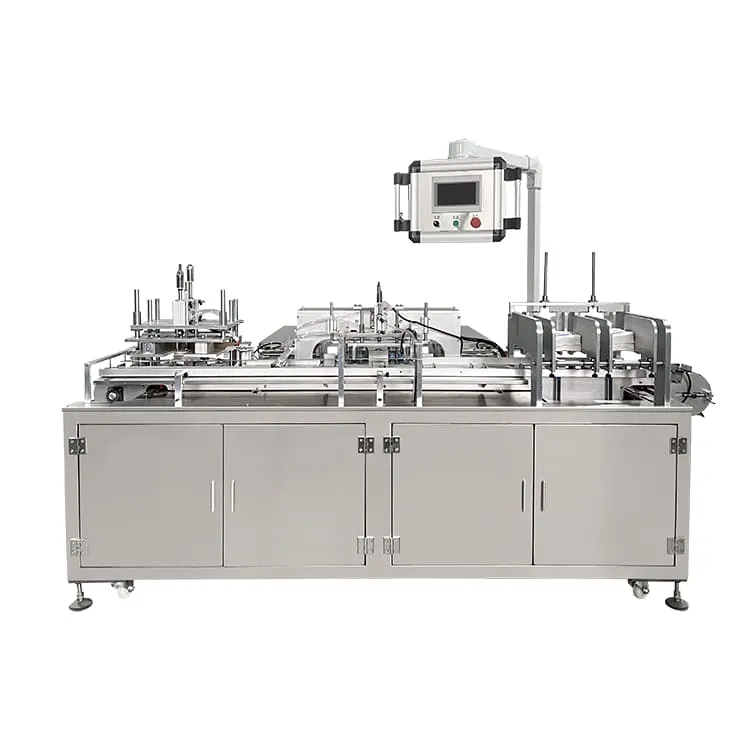
Core Operational Principles: True Continuity vs. Intermittent Workarounds
Continuous bagging systems eliminate downtime between cycles—unlike semi-automated or “pseudo-continuous” alternatives that merely accelerate stop-start processes. True continuity is achieved through full synchronization of three core stages:
- Material feeding: Uninterrupted flow from hoppers
- Form-Fill-Seal (FFS): Simultaneous bag formation, filling, and sealing
- Output handling: Automated transfer to palletizers
This seamless integration relies on servo-driven motion control and predictive sensor networks. By removing start/stop inertia, mechanical stress declines significantly—reducing maintenance costs by 18–32%, per PMMI’s 2023 Packaging Machinery Productivity Report.
Real-World Throughput Benchmarks: 2,000–15,000 Bags/Hour by Application and Bag Type
The International Packaging Institute has done some pretty thorough testing on bagging speeds. For those 5kg polyethylene rice pouches, machines can hit around 15,000 per hour at their best. When it comes to heavier stuff like construction materials packed in FIBCs, we're looking at about 2,000 units per hour as the usual maximum. Looking at actual factory operations, continuous running systems maintain roughly 97.4% uptime during production runs. That's actually quite impressive when compared to stop-start alternatives which typically lag behind by nearly 30%. What keeps these high outputs going? The secret lies in maintaining just the right amount of tension throughout both film and woven materials, preventing those frustrating machine jams that would otherwise slow things down.
Integrated System Architecture of Continuous Bagging Systems
Synchronized Form-Fill-Seal (FFS) Stages for Large Bags (5–50 kg)
Systems designed for big format packaging keep everything moving smoothly through all stages from forming to filling and sealing. This continuous operation means there's no interruption when handling bulk materials such as grains, plastics, and building compounds. Traditional machines with stop-start cycles just aren't efficient enough for large scale operations because those brief pauses can become major bottlenecks. Modern equipment uses advanced servo technology that makes on the fly adjustments to sealing settings based on what material is being processed. Whether dealing with thin 75 micron polypropylene films or thick laminated materials, these machines handle it all while running at impressive speeds over 2000 bags per hour without weak seals. What this really means is consistently good quality bags with almost no product loss during production. For products that are sensitive to moisture or fine powders that tend to escape, even small failures can bring entire production lines to a halt, costing companies significant amounts of money and time.
Precision Material Handling: Tension Control for Polypropylene, Woven FIBCs, and Laminates
The biggest headache when automating big bag operations? Material variability. Continuous systems tackle this problem using laser guided tension control that adapts on the fly. Take woven polypropylene bags for instance these materials can stretch anywhere from 300 to 500 percent before breaking according to ASTM standards. The sensors adjust the unwind torque so the material doesn't get distorted while being filled at high speeds. When dealing with FIBCs, pneumatic compensators come into play to keep the web tension steady even though the fabric isn't always consistent. Things get really interesting with laminates that have aluminum or PET layers. These require extremely fine adjustments sometimes as small as plus or minus half a Newton force to prevent layers from separating during sealing processes that reach temperatures around 180 degrees Celsius. With this kind of micro adjustment capability, machines maintain stable material flow throughout thousands of cycles each shift. Plants report about 19 percent less waste compared to older manual methods or systems that aren't properly integrated.
Scalable Configurations: Matching Continuous Bagging Systems to Production Needs
FIBC (Jumbo Bag) Systems vs. Multi-Pack Continuous Bagging: Capacity, Stability, and Cycle Time
The right setup depends largely on how much we're talking about producing. FIBC systems handle those really big loads between 500 to 2000 kilograms each, built specifically to stay stable even when filled with heavy industrial materials like powders or aggregates. These big bags are tough enough to need very little handling during operations, though they do come at the cost of slower processing speeds. Most facilities see output somewhere around 300 to 800 bags per hour with these setups. On the other hand, multi-pack systems work differently by running several smaller bags (typically ranging from 5kg up to 50kg) through parallel lanes simultaneously. This approach lets manufacturers hit well over 2000 bags per hour for products ready straight to retail shelves. The secret behind this high speed lies in their synchronized weigh, fill and seal processes that maintain precision despite the faster pace. Multi-pack definitely wins when it comes to sheer numbers processed, but FIBC still offers better space utilization per individual bag. Choosing between them really boils down to what kind of material needs packaging, desired bag sizes, and how many units must be produced each hour. There's no universal answer here; every situation calls for different considerations.
Seamless Integration with Existing Packaging Infrastructure
Continuous bagging systems fit right into old packaging lines without needing major overhauls. The modular design works with whatever conveyor width exists on site, handles different control protocols like OPC-UA, matches energy requirements, and connects smoothly with equipment already there such as fillers and palletizers. When companies install these systems, they need to make sure the physical space fits, set up proper communications between machines, and coordinate how everything moves together so nothing gets backed up at any stage. After installation, most plants see their output jump by over 15% because workers spend less time fixing things manually and there's no wasted effort when previously separate parts of the line had to be reworked. What really matters though isn't just speed improvements but having all parts of the production process talk to each other and respond quickly to changes in demand.
FAQ Section
What makes continuous bagging systems more efficient than semi-automated systems?
Continuous bagging systems eliminate downtime and synchronization inefficiencies associated with stop-start cycles, boosting throughput and reducing maintenance costs.
How does material variability affect continuous bagging operations?
Material variability, such as elasticity in woven polypropylene, can lead to inconsistencies. Continuous systems use technologies like laser-guided tension control to accommodate these variations, ensuring reliable operations.
What are some throughput benchmarks for continuous bagging systems?
Throughput can range from 2,000 to 15,000 bags per hour, depending on factors like bag size and material. For instance, 5kg polyethylene pouches can reach up to 15,000 units per hour.
Can continuous bagging systems be integrated into existing packaging lines?
Yes, their modular design allows for seamless integration with existing equipment, improving overall line efficiency without significant overhauls.