
 EN
EN



Physical Damage Protection: How Shrink Packaging Machines Absorb Shock and Resist Compression
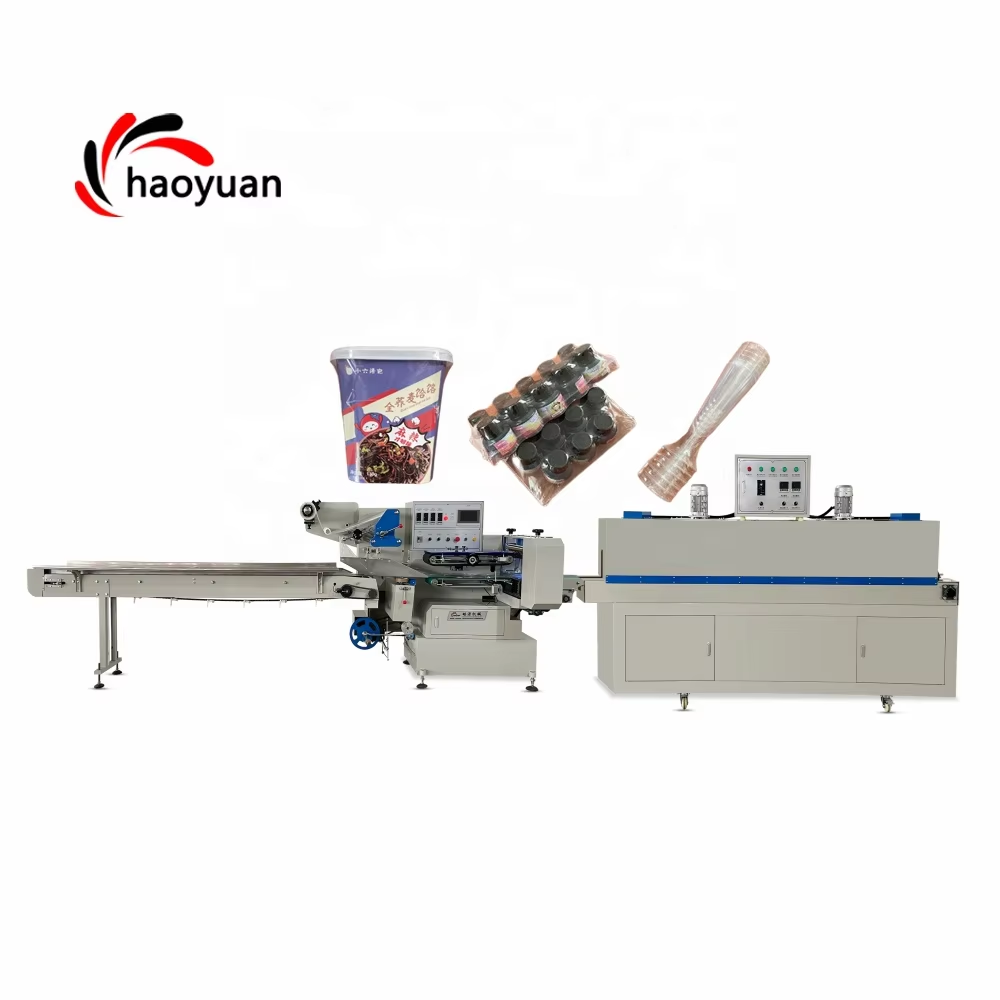
Uniform Shrink Tension as a Dynamic Cushioning Mechanism During Transit
Shrink wrap machines offer protection that adjusts to whatever they're covering, all thanks to controlled heating. When the plastic film shrinks down around items, it creates this tight layer that spreads out any force hitting the package. What makes this work so well is how the material molds itself to different shapes while still providing good support. Regular boxes get turned into something much better at absorbing shocks this way. They help protect stuff stacked high in warehouses where pressure builds up from above, reduce damage during bumpy truck rides when things vibrate side to side, and even soften those sudden jolts when packages get dropped or mishandled somewhere along the delivery chain.
Unlike static fillers that compress permanently, the molecular memory of shrink films enables elastic recovery after deformation, maintaining consistent protection throughout multi-stage logistics.
Empirical Evidence: 22% Average Reduction in Damage Incidents (Logistics Audit Data)
Looking at 47,000 shipments in 2023 showed some pretty impressive results for companies using automated shrink wrapping. Damage claims dropped by about 22%, there were 31% fewer problems with products getting crushed during transport, and load shifts decreased by nearly 18% compared to regular packaging methods. Why does this happen? The secret lies in how shrink wrap distributes weight across the entire package. When tested according to ASTM D999 standards for vibrations, shrink wrapped pallets kept their contents intact at around 98% success rate, whereas stretch wrapped ones only managed about 81%. Basically, the way the film tightens around goods turns those annoying bumps and shakes during transit into something much less damaging to what's inside.
Environmental Barrier Performance: Moisture, Dust, and UV Resistance from Shrink Packaging Machines
Film material science: Polyolefin vs. PVC in humidity, particulate, and UV exposure
Shrink wrap machines need good quality film materials to protect stuff during shipping. The polyolefin type works really well against moisture because it repels water naturally. Tests show these films cut down on water vapor getting through by about 80% compared to other options, plus they block dust particles nicely and stand up to sunlight without breaking down. On the flip side, PVC films might save money upfront but don't handle humidity so great and tend to degrade when exposed to UV light for long periods. Manufacturers usually have to throw in extra chemicals to fix this problem, which sometimes weakens how well they actually block contaminants. When companies are dealing with sensitive goods such as electronic components or medicine packaging, most go with polyolefins just to be safe.
Real-world validation: 94% barrier integrity retention after 72h high-humidity exposure (ASTM D3359)
When tested according to ASTM D3359 standards, shrink films maintained around 94% of their barrier protection after sitting for three days in conditions with 85% humidity. This kind of performance really matters because it stops problems like rust forming on metal parts or mold growing on surfaces, which can be disastrous for things like hospital equipment or delicate electronic components. Companies report seeing roughly 30% less product damage when these films are used in areas where humidity levels stay high over time. The secret seems to lie in the quality of the heat seal itself. When done right, these seals hold up against all sorts of environmental challenges while still showing if someone has tried to open the packaging.
Load Stability and Tamper Evidence: Precision Control Enabled by Modern Shrink Packaging Machines
±1.2mm film tension control ensures unitized pallet integrity and visual tamper indication
The latest shrink packaging equipment keeps loads stable by controlling film tension at a very fine level, typically within about 1.2mm during the sealing process. When done right, this creates even pressure all around the product, which basically locks things down on pallets so they don't move around when there's vibration or sudden shifts while being transported. According to various industry reports from manufacturers and logistics companies, these machines cut down on load failures by roughly 27% compared to traditional hand wrapping methods. Another benefit worth mentioning is that the tight film acts as a sort of tamper indicator. If someone tries to break into the package or if it gets stretched too much, the film will show signs of damage right away through wrinkles or tears. So we get two benefits here at once better protection for goods and improved overall reliability throughout the entire supply chain.
Seamless Integration with End-to-End Packaging Lines Enhances Consistent Protection
Case Study: Automated Shrink Packaging Line Reduces Handling Variability by 31%
When integrated shrink packaging machines work together with equipment both before and after them in the production line, they fill those annoying protection gaps that can occur otherwise. Take a look at what happened recently with an automated line setup by one of the top machinery companies out there. They found something pretty interesting: their machines with precise temperature controls and those fancy servo-driven film feeds cut down on inconsistent handling issues by about 31% when compared to what happens with manual operations. What this actually means is fewer mistakes made by people moving things between different stages like sealing, putting labels on, and stacking onto pallets. The result? Every single product gets wrapped with exactly the same level of protection. This matters a lot during shipping because even small differences in how tight or loose the packaging is can lead to big problems for delicate items or expensive products that just cannot afford any damage during transport.
FAQ
What is the main advantage of using shrink packaging machines?
Shrink packaging machines provide dynamic cushioning and shock absorption, which protects goods during transportation and storage by adjusting to the item's shape and reducing damage.
What materials are commonly used in shrink films?
Common materials used for shrink films include polyolefin and PVC. Polyolefin offers better moisture, dust, and UV resistance, making it suitable for sensitive goods.
How do shrink films contribute to environmental protection?
Shrink films cut down on environmental damage by providing moisture and dust barriers, reducing the risk of rust and mold on sensitive items.
Can shrink packaging machines indicate tampering?
Yes, films act as a tamper indicator, showing visible signs of damage or stretching if someone tries to break into the package.
Table of Contents
- Physical Damage Protection: How Shrink Packaging Machines Absorb Shock and Resist Compression
- Environmental Barrier Performance: Moisture, Dust, and UV Resistance from Shrink Packaging Machines
- Load Stability and Tamper Evidence: Precision Control Enabled by Modern Shrink Packaging Machines
- Seamless Integration with End-to-End Packaging Lines Enhances Consistent Protection
- FAQ