
 EN
EN



Why Packaging Accuracy Demands Servo-Driven Bagging Systems
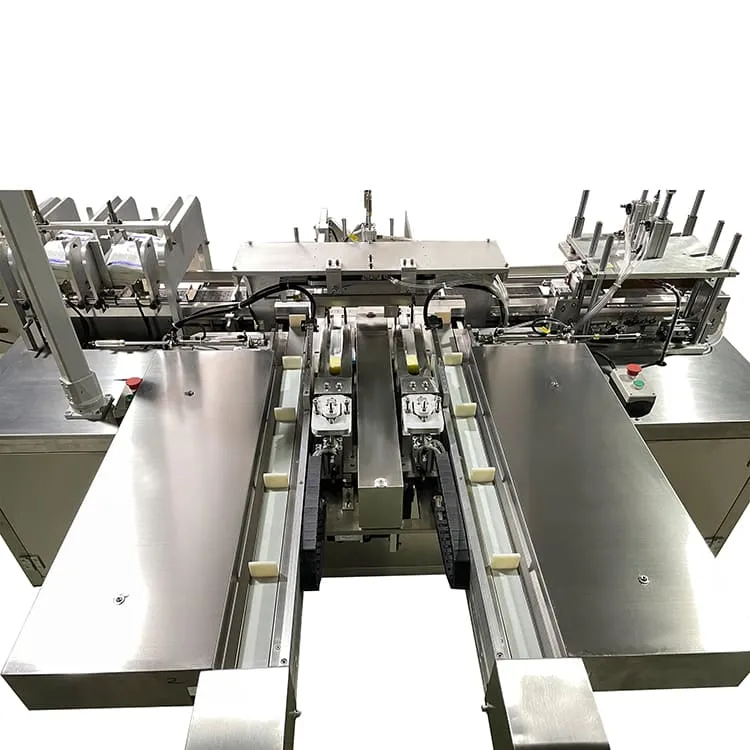
Zero-tolerance requirements in food, pharma, and e-commerce drive demand for sub-millimeter repeatability
In industries such as pharmaceutical manufacturing and food packaging, there are really tight accuracy requirements. A deviation of just half a millimeter can actually put products at risk or lead to problems meeting regulations. Take e-commerce warehouses for instance they need pretty much the same level of precision to avoid all those expensive returns caused by packages getting damaged during shipping. For these businesses, having bagging equipment that consistently hits within fractions of a millimeter matters a lot. It keeps seals properly formed and maintains consistent dimensions over tens of thousands of operations, which is critical when dealing with high volume production runs.
How closed-loop servo control enables microsecond motion profiling and real-time error correction
Servo driven tech works differently from old school pneumatic systems because it keeps track of position, torque, and speed using built in encoders all the time. The feedback loop lets these machines make tiny adjustments at the microsecond level for things like jaw pressure, how tight the film stays, and when those rollers synchronize. If there's any sign of film slipping or problems with sealing, the system jumps in right away to fix things. Independent tests show this cuts down on product giveaway by around 3.7 percent and brings scrap rates down by nearly a quarter. Regular mechanical systems tend to have about 2.1 mm variation in length measurements, while servo driven ones stay within just 0.3 mm difference between bags. That means much better consistency across every single package produced.
Precision Control Across Critical Stages of Servo-Driven Bagging Systems
Hermetic sealing accuracy: servo-regulated jaw dwell time, temperature, and pressure for sensitive films
Getting those perfect hermetic seals requires careful coordination between jaw dwell time, temperature settings, and applied pressure levels. This is particularly critical when dealing with oxygen sensitive food products or creating sterile environments for medical devices. Servo driven bagging equipment stands out because it can make adjustments on the fly something traditional mechanical timers simply cannot do. With closed loop controls, these machines maintain consistent jaw pressure profiles within just +/- 0.2 bar of variation. At the same time, built in thermal sensors keep temperatures stable within about +/- 1.5 degrees Celsius range. These tight controls prevent problems like film scorching in very thin laminations while also avoiding weak spots in multi layer barrier materials. When tested specifically with pharmaceutical blister packs, the servo controlled systems cut down seal failures by around 93% compared to older pneumatic systems. The secret? They automatically compensate for differences in film thickness during operation, which makes all the difference in quality control for sensitive applications.
Film handling fidelity: servo-driven pull rollers for dynamic tension control and edge registration
Keeping film integrity intact at high speed operations demands proper tension control throughout the process. The system employs servo driven pull rollers that constantly tweak torque levels according to what they pick up from encoder readings in real time. These adjustments help combat the slack that naturally occurs when things accelerate too quickly. What we're talking about here is maintaining tension within plus or minus 5% of target specs, which becomes absolutely essential when working with those stretchy biodegradable materials that tend to give way under stress. At the same time there's another component at work too. Laser guided edge registration systems can spot tiny deviations down to just 0.1 millimeters across the width of the material. When these systems detect something off track, they make microscopic corrections to keep everything aligned properly before seal formation happens.
Quantifying the Accuracy Advantage: Servo vs Pneumatic Bagging Systems
Overcoming adoption barriers: ROI justification through reduced giveaway, scrap, and line-stop incidents
Servo systems do cost more upfront compared to traditional setups, but the accuracy they offer pays off fast. For snack manufacturers running an average production line, there's around $18k saved each year just from cutting down on wasted materials. And when it comes to packaging errors, companies see roughly 92 percent fewer bad seals which slashes scrap expenses by about $740,000 annually. What really makes these systems stand out though is their ability to predict when maintenance will be needed. This smart feature cuts unexpected shutdowns by almost two thirds, meaning factories can actually run for over 300 extra hours every year without major hiccups. Throw in the fact that these machines consume at least 40% less power than older models, and most businesses find themselves getting their money back within somewhere between 14 and 26 months. Even smaller scale operations aren't left behind in this equation.
FAQs
What are servo-driven bagging systems?
Servo-driven bagging systems utilize closed-loop motors to ensure precise control over position, torque, and speed throughout the bagging process, significantly enhancing packaging accuracy.
How do servo systems improve packaging accuracy?
Servo systems continuously monitor and adjust for microsecond-level discrepancies in position, torque, and speed, minimizing errors in measurements, sealing, and film handling.
Why are servo-driven systems preferred over pneumatic systems?
Servo-driven systems offer significantly lower variance in measurements and perform real-time corrections, providing more consistent results compared to pneumatic systems.
Is the upfront cost of servo-driven systems justifiable?
Yes, the reduction in product giveaway, scrap rates, and unexpected line-stop incidents often result in a quick return on investment for businesses using servo-driven systems.
How do servo-driven systems benefit high-value products?
The precision and consistency of servo-driven systems reduce the risk of errors while enhancing packaging reliability, especially in high-value products like pharmaceuticals and coffee capsules.