
 EN
EN



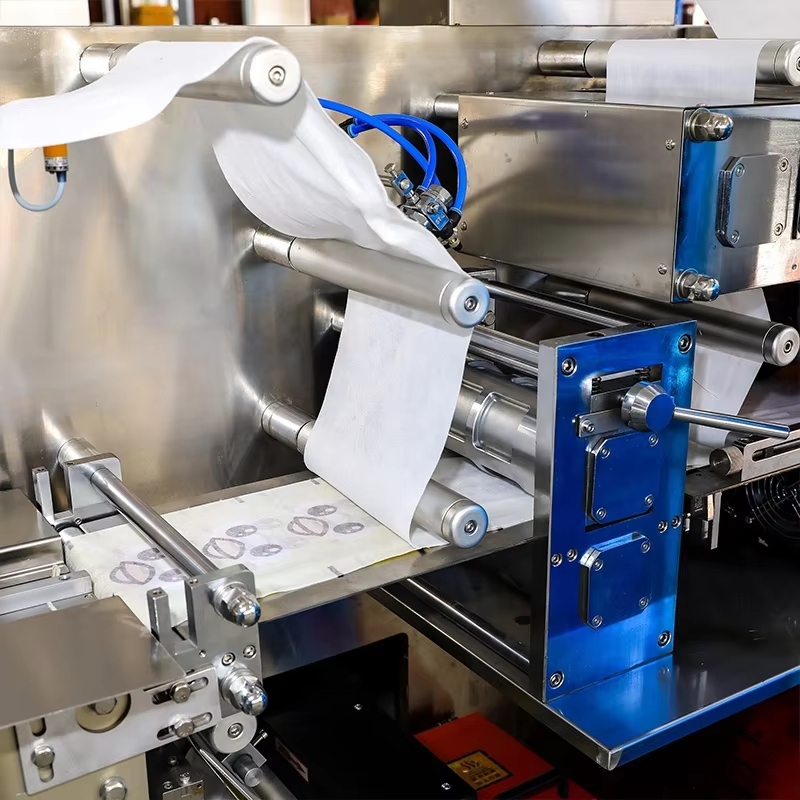
Understanding Steam Eye Mask Production and the Role of Automation
Overview of steam eye mask manufacturing and packaging requirements
Making steam eye masks is actually quite complex, involving several careful steps starting with preparing materials all the way through to sealing them properly. These disposable heat packs need their temperature sensitive components placed just right inside, plus they have to be sealed tightly so everything stays effective. The packaging really matters too because if it doesn't keep out moisture and stay sterile, the whole thing becomes useless before someone even gets around to using it. Most traditional hand packing approaches just can't handle the fine details required here. They struggle with both gentle handling of fragile parts and maintaining consistent temperatures throughout production, which leads to products that work differently for each customer.
Integration of automatic packaging in the final stages of production
Automatic packaging systems fit right into steam eye mask production lines and handle those important last steps in assembly with pretty good reliability. These machines come with robotic arms that are careful when moving things around, vision systems that check生産過程 during production, and sealing equipment that maintains steady temperatures for proper closure. The whole setup works together with what comes before it in the manufacturing process so there's no stoppage between making the masks and getting them packaged. Getting rid of those annoying bottlenecks that happen when people have to move products manually between different stages means the factory can keep producing at a steady pace without compromising on quality standards throughout the entire process.
Rising consumer demand for convenience-driven personal care products
More people these days are going for those single use, ready to go personal care stuff like steam eye masks because life gets so hectic and folks really want to take care of themselves now. Market research shows we're looking at around 8.2 percent growth year after year for the worldwide eye mask business all the way till 2027, and steam activated versions are definitely driving most of that growth. Companies making these products need to figure out how to scale up their operations without cutting corners on what makes them good quality wellness items. After all, customers expect consistent results when they spend money on something meant to relax and refresh them.
Boosting Production Efficiency with Automated Packaging Systems
Measuring efficiency: Steam eye mask production output before and after automation
The introduction of automated packaging has completely changed how efficient steam eye mask production can be. When done manually, workers manage around 30 to 50 units each hour, but with automation running at full speed, factories hit between 200 and 300 units per hour consistently. That kind of jump means manufacturers get roughly four to six times more product out of their lines without needing extra staff. What's really important for businesses is that automated systems deliver perfectly uniform packaging every single time. No more worrying about inconsistent seals or misaligned labels that happen when humans handle the process manually day after day.
How robotics and automation reduce packaging cycle times
When it comes to packaging operations, robotic automation cuts down on those long wait times between products by taking over from humans who work at their own pace. Modern machines can wrap up a package in just 2 or 3 seconds flat, which is roughly three quarters quicker than what most workers manage with their hands. These systems don't get tired so they keep going strong even after hours of nonstop operation. The latest models come equipped with smart cameras and computer guided arms that handle materials much better than human fingers ever could. Small delays that pile up throughout the day simply disappear when everything is automated, meaning factories see a real boost in how many items they can process overall.
Case study: 40% production increase at a leading Asian manufacturer
One major steam eye mask producer based in Asia saw their production jump by around 40% just six months after switching to automated packaging systems. Before automation, they were making about 120 thousand masks each day, but that number climbed all the way up to 168 thousand daily while keeping the same team size. The defect rate in packaging went down dramatically too—from 5.2% down to barely 0.8%. This meant far less wasted product and much less need for fixing mistakes later on. Looking at the bigger picture, the money spent on automation paid itself back in just 14 months thanks to those increased production numbers, better quality control, and savings across day-to-day operations costs.
Trend: Advancements in packaging machine speed and throughput
The packaging machinery sector keeps pushing boundaries when it comes to speed and adaptability. Right now, many automated lines are cranking out well over 400 packages each minute, while the latest prototypes aim for somewhere north of 600. What makes this possible? Smart tech integration is playing a big role here, particularly machine learning algorithms that keep an eye on how materials move through the system and spot potential slowdowns before they happen. Looking at the bigger picture, we're talking about roughly 8 to 12 percent better performance year after year across the board. Companies are increasingly going for automation setups that not only work faster but also adjust themselves on the fly to handle different product types and sizes without missing a beat.
Reducing Labor Costs and Human Error in Steam Eye Mask Packaging
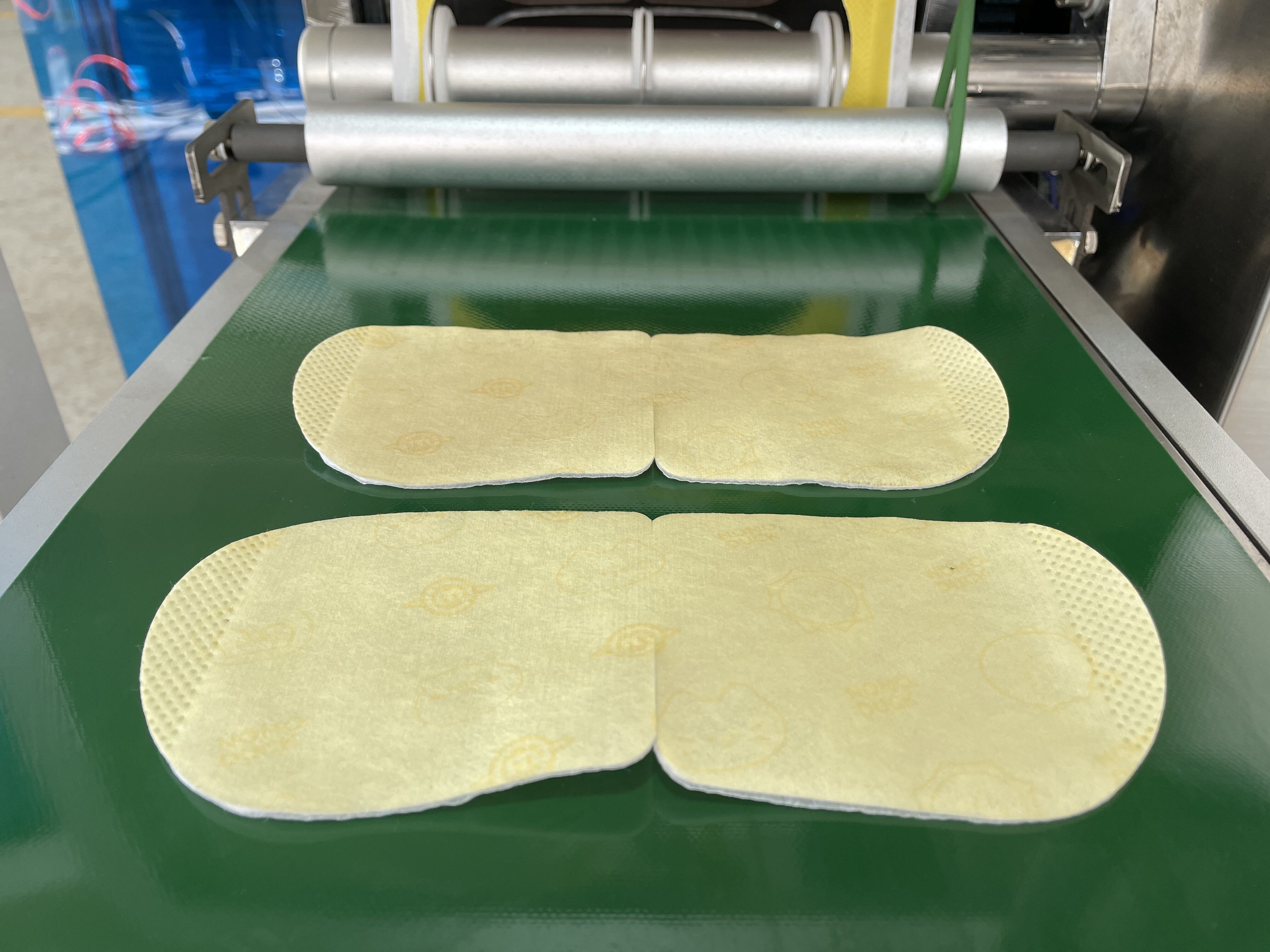
Labor cost savings through automated packaging solutions
When it comes to steam eye mask manufacturing, automated packaging has become a game changer for cutting down on labor costs. These machines just keep running nonstop day after day, no need for lunch breaks or weekend shutdowns. That means factories don't lose time waiting for shifts to change and they save big on those expensive overtime hours too. The numbers speak for themselves really – companies across the industry have seen their labor bills drop anywhere between 45% to 60% once they switched over to automation. What used to take three or four workers doing repetitive tasks can now be handled by a single machine setup. And while the upfront cost of installing these systems might seem steep at first glance, most manufacturers find that the money starts coming back pretty quickly. We're talking about payback periods usually falling somewhere between 12 and 18 months as operational efficiencies kick in and running costs continue to decline month after month.
Common errors in manual packaging and how automation prevents them
When done manually, packaging often leads to all sorts of issues including wobbly seals, crooked labels, and products sitting at odd angles something that automated systems just don't have to worry about thanks to their engineered precision. These robotic setups stick strictly to specific sealing specs, place those labels exactly where they need to be, and arrange every single mask following pre-set guidelines. The result? No more half sealed packages that let air in and ruin freshness, nor those poorly presented boxes that look bad on store shelves and hurt brand reputation. Modern machines come equipped with built in sensors too. They spot faulty items as they roll along the line and kick them out right away. Talk to any manufacturer and they'll tell you these automated lines hit around 99.8 percent accuracy rates while human workers usually manage between 92 to maybe 95 percent at best.
Balancing job impact concerns with operational efficiency gains
Automation definitely makes things run faster, but factory owners need to think carefully about what happens to their workers during these changes. When companies actually succeed with automated systems, they usually have some kind of training program going on behind the scenes. Workers who used to do simple packaging tasks get moved into jobs watching over machines, fixing them when needed, or checking product quality instead. These new roles generally come with better wages and chances for advancement too. Businesses that present automation not just as cutting costs but as helping employees grow professionally tend to see fewer problems during implementation. The whole operation runs better because people stay onboard rather than feeling replaced. Plus, experienced workers who stick around help maintain continuity in operations that would otherwise be lost if everyone gets laid off.
Ensuring Quality Consistency and Scalability in Automated Production
Achieving long-term quality assurance despite high initial investment
Sure, automated packaging systems come with a hefty price tag at first, but the long term benefits for quality control are worth it. These machines eliminate all that human error factor so each steam eye mask gets sealed, labeled properly, and wrapped just right every single time. That consistency matters a lot when we're talking about keeping products effective and fresh on store shelves. The systems have those fancy cameras watching constantly, catching tiny flaws that would slip through during regular inspections. And best part? Every check creates a digital record that can be tracked back later, which helps meet regulations and actually improves how things get done over time. As production ramps up, the machine learning aspect starts working behind the scenes too, making adjustments automatically so quality stays rock solid while getting better with scale.
Flexible scalability of packaging machines in growing markets
Automated packaging systems today offer real flexibility, letting manufacturers keep up when markets change overnight. Take it from someone who's seen both sides: old school manual setups just can't match what modern machines do. These automated lines aren't stuck in one configuration either. They can handle everything from tiny batches during product testing right through to full blown mass production runs, all without compromising on quality standards. The way these systems are built means companies can expand production step by step. Maybe start with an extra machine here or there, maybe just update some software to get more out of existing equipment. For businesses in the personal care space especially, this kind of flexibility matters a lot. Trends in products like steam eye masks come and go so fast that being able to scale up or down quickly makes all the difference. And despite all this scaling around, customers still want that same reliable quality they've come to expect from their favorite brands.
FAQs
How does automation impact labor costs in the production line?
Automated packaging systems significantly reduce labor costs by handling tasks that would typically require multiple workers, thus cutting down on the number of employees needed and reducing overtime expenses. Savings on labor costs can range between 45% to 60%.
Are automated packaging systems adaptable to varying production demands?
Yes, modern automated packaging systems are highly adaptable, able to handle various product sizes and types, and capable of scaling up or down to meet changing market demands without compromising quality.
How soon can companies expect a return on investment from automation?
Most companies find that the initial investment in automated packaging systems pays off within 12 to 18 months, thanks to increased production efficiency, reduced labor costs, and improved quality assurance.
What are the key benefits of using automated packaging systems for steam eye mask production?
Automated packaging systems improve production efficiency, ensure consistent quality, reduce labor costs, and minimize human error in steam eye mask manufacturing. They allow for higher output rates and precise product handling.