
 EN
EN



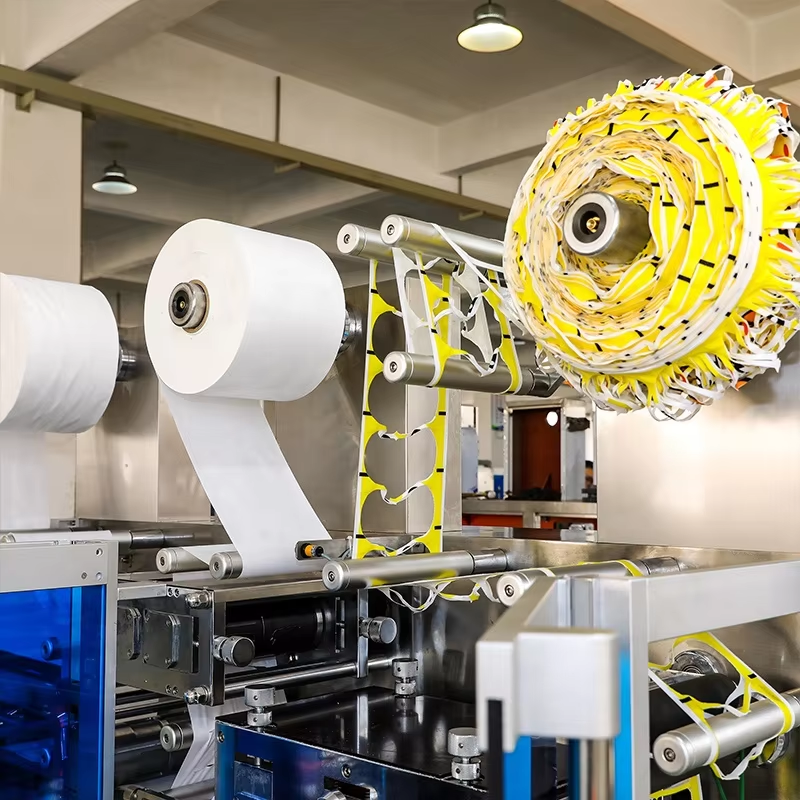
Heating and Steam Generation Mechanisms in Steam Eye Mask Making Machines
Understanding precise temperature control in steam generation
Getting the temperature just right matters a lot when making steam eye masks. The best results happen around 40 to 45 degrees Celsius, which matches what's written in the FZ/T 08007-2024 guidelines for the industry. High end manufacturing setups often rely on infrared tech to keep heat evenly distributed throughout the mask fabric, keeping temperature differences under 2 degrees. Why does this matter? Well, if temperatures aren't controlled properly, the materials can break down over time. But when done correctly, these masks produce steady steam therapy that actually works wonders. Clinical studies show they can help clear blocked meibomian glands and boost blood flow to the eyes by about 30 percent, giving users real relief from dryness and discomfort.
Efficiency of heating elements and thermal distribution systems
Today's manufacturing equipment features multiple heating zones that cut down on wasted energy while making sure there are no cold areas on the production surface. The heating systems kick in almost instantly, cutting down warm up times from what used to take minutes to just about ten seconds flat. When manufacturers place these heating parts strategically and wrap them with good insulation, they get consistent heat distribution throughout those non woven materials. Masks coming off the line will all have the same quality whether they were at the front or back of the batch, which is exactly what plant managers want to see.
Integration of moisture regulation for consistent steam output
Moisture control systems team up with heating units to keep steam at just the right level for treatment purposes. These devices adjust how much water vapor gets released depending on what the temperature sensors tell them, so they can maintain good humidity during those 20 to 30 minutes when someone is using the equipment. Getting this balance right means people get steady steam therapy for their dry eyes without too much moisture building up, which might damage parts of the machine or simply feel uncomfortable against skin.
Performance analysis of advanced steam systems
The best steam generators maintain really consistent performance throughout their operation cycles, typically staying within a 2.5% deviation range even during long runs. These systems have automated controls that constantly tweak temperature settings and moisture levels based on sensor readings, which helps keep everything balanced and produces dependable results most of the time. The real time monitoring feature catches problems early on, so technicians can fix issues before they start affecting product quality. Such tight control is actually necessary for meeting those strict medical manufacturing standards that companies need to satisfy if they want to sell their products worldwide.
Automation and Electronic Controls for Reliable Production
Role of programmable logic controllers (PLCs) in production accuracy
In steam eye mask production lines, programmable logic controllers or PLCs function much like the brain controlling all operations, handling everything from temperature control to timing sequences during manufacturing. These systems keep track of when steam needs to be generated at what temperature while coordinating how materials get fed into place and sealed together down to fractions of a millimeter. Modern PLC technology can maintain position accuracy around plus or minus 0.1 mm, which means products come out consistently without defects. This level of precision cuts down on wasted materials significantly too about 15 percent less waste than traditional manual methods according to recent research published last year in automation journals.
Human-machine interface (HMI) for operational efficiency
Today's human machine interfaces, or HMIs, make complicated factory processes much easier to handle thanks to their touch screen controls. Operators can now keep an eye on important stuff like temperature changes, how fast things are being made, and whether products meet quality standards all at once. The best part? These dashboard displays let people tweak settings on the fly without needing to know anything about coding or programming. According to recent studies from the industrial automation sector back in 2024, factories that have upgraded to smart HMIs saw their batch changeovers happening around 30 percent quicker. Plus, they needed about 40% less time teaching new staff members how everything works compared to older systems.
Real-time monitoring and fault detection systems
Sensor networks integrated into industrial systems keep tabs on essential machine operations like how well heaters are working and whether conveyors stay properly aligned, catching problems before they become serious issues. The predictive algorithms look at things such as vibrations in machinery, heat distribution images, and electricity usage patterns to predict when maintenance might be needed. According to recent research from manufacturing reliability experts published last year, these predictions hit the mark around 92% of the time. By keeping an eye on equipment this way, factories can cut down unexpected shutdowns by roughly 70%, which means fewer production delays and better consistency in the products coming off the line throughout each batch run.
Critical Safety Features in Steam Eye Mask Making Machines
Overheat protection and pressure release mechanisms
Modern overheat protection systems protect both machines and workers by keeping an eye on those heating elements all the time. When temps go past what's considered safe, usually somewhere around 150 degrees Celsius or higher, thermal sensors kick in and shut things down automatically. There are also pressure release valves acting as backup plans, letting out extra steam so pressure inside stays where it should be. Industry rules say these safety features need to respond super fast, like within milliseconds, otherwise bad stuff happens. Most plants have built in redundant safety circuits too. That means even if something breaks down, there's still protection in place. Makes sense really, especially when running at full capacity day after day.
Electrical safety standards and grounding protocols
All steam eye mask manufacturing equipment must follow international electrical safety standards. The machines come equipped with grounding systems designed to channel any electrical faults away from workers who operate them daily. Insulated parts are also included so nobody accidentally touches live circuits during regular maintenance checks. A recent report from 2023 showed that when grounding is done correctly, it cuts down electrical incidents by around 85 percent. Ground fault circuit interrupters, commonly known as GFCIs, work by sensing small current leaks and shutting off power before anything bad happens. Manufacturers also reinforce insulation on those high voltage components because nobody wants to deal with sparks flying around during production runs.
Balancing automation speed with operator safety
Worker safety should never take a back seat just because automation speeds things up. Today's machinery comes equipped with all sorts of protections these days including those big metal guards, those fancy light curtains that shut down instantly if someone gets too close, plus those red emergency stops that are easy to reach from anywhere near the machine. The best part? These safety systems let operations run smoothly most of the time but kick in fast when something goes wrong. Looking at industry stats, factories that install proper safety monitoring see about a 70% drop in accidents without slowing down their output much. And there's something called programmable safety controllers now that make everything even smarter they adjust protection levels automatically depending on what's happening on the factory floor right then.
Design and Manufacturing: Component Integration and Modular Advancements
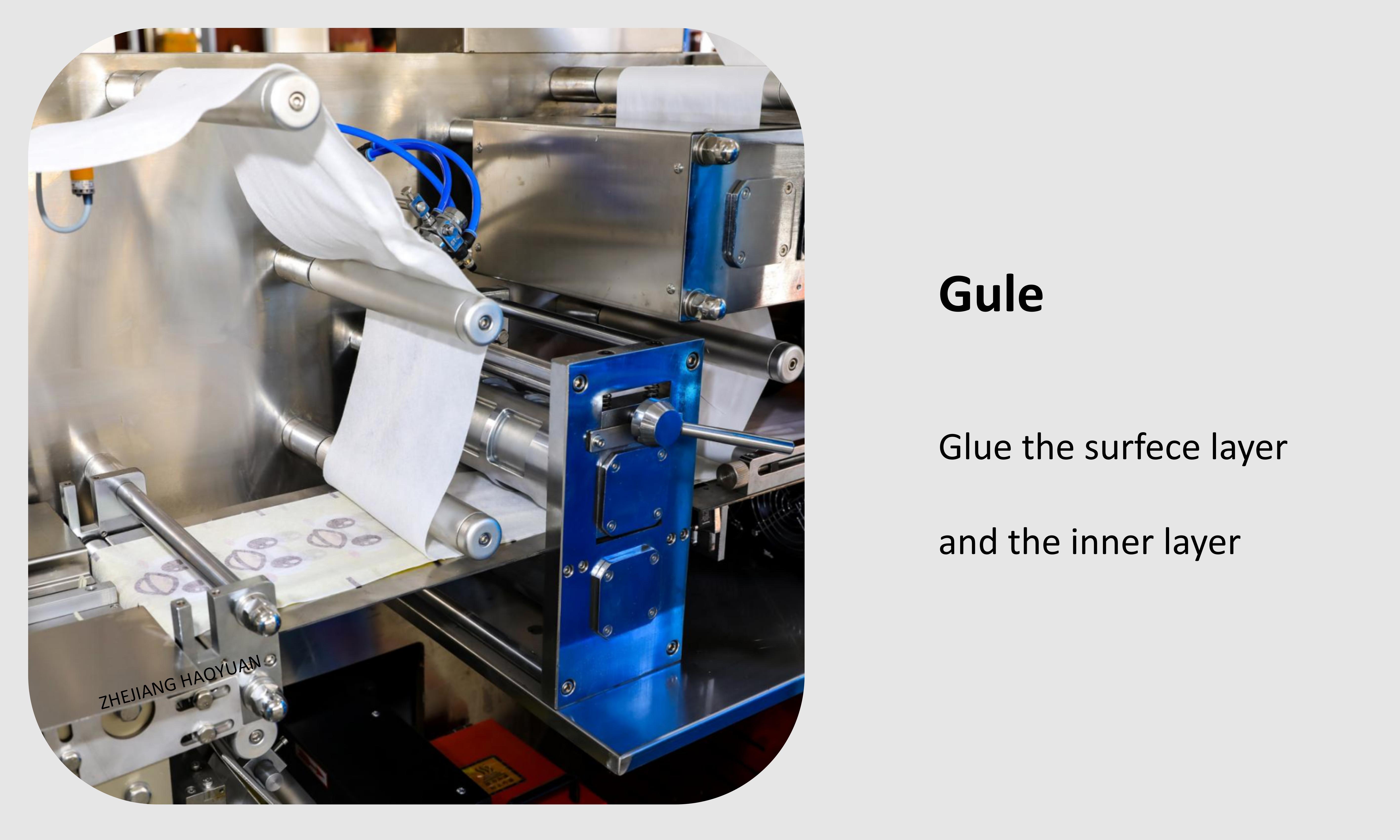
Assembly line design for seamless hardware component integration
When assembly lines are set up properly, they make it much easier to install important parts like heaters, humidity control sections, and sealing mechanisms. The right conveyor belts and robot arms place everything just where it needs to go, which cuts down on delays and keeps production steady. Good line layouts can cut down on parts being out of place by about 90% when compared to doing things by hand, which means machines run better and waste less material over time. Most manufacturers notice these improvements after switching from older setups.
Material handling systems for non-woven fabric and heating pads
Material handling systems designed specifically for delicate non woven fabrics and heating pads play a really important role in manufacturing processes. The right tension control helps keep things from stretching out or tearing apart when running at high speeds. And those precision unwinding mechanisms? They make all the difference in maintaining fabric quality through fast operations. Automated feeding systems get materials placed just where they need to be, and smart cutting patterns help cut down on wasted material across the board. Most modern setups can handle around 120 masks per minute these days, though some factors still affect whether that rate holds true without damaging the materials being worked on.
Precision alignment in embedding electronic components
Embedding electronic components demands micron-level accuracy to ensure long-term reliability. Vision-guided placement systems use high-resolution cameras and machine learning to position temperature sensors, control circuits, and connection points with ±0.1mm precision. This accuracy prevents electrical failures and guarantees consistent heating performance across every mask produced.
Trend: Modular design adoption in leading manufacturer models
More and more top manufacturers are adopting modular design as their go-to solution these days. The big advantage? Systems can be quickly adjusted when new mask specs come along or when tech needs an upgrade, all without tearing everything apart and starting from scratch. Maintenance becomes much easier too, since parts can be swapped out individually rather than dealing with whole units. Production lines can scale up or down depending on what the market demands next. According to recent industry reports, factories that switched to modular setups report about 30 percent speedier changeovers between product runs. Plus, they spend roughly 25 percent less on keeping things running smoothly compared to older plants stuck with their traditional monolithic machines.
Regulatory Compliance and Global Certification Standards
For steam eye mask manufacturing equipment to make it onto world markets, manufacturers need to meet pretty strict international regulations regarding safety, quality control, and overall market准入. The ISO 13485 standard basically means the company follows good practices when making medical grade products, so customers know they're getting something reliable and safe every time. When it comes to electrical parts inside these machines, getting UL certified shows those components won't overheat or cause short circuits during normal operations. Then there's the CE mark which tells European buyers all their health and environmental rules are being followed properly. And don't forget about FDA paperwork if selling in America. Getting through all these hoops actually helps build trust with consumers while making life easier at customs checkpoints around the globe. Smart companies treat these regulatory requirements as part of their competitive edge rather than just another box to check off.
FAQ
How do moisture control systems work in these machines?
Moisture control systems work by adjusting the amount of water vapor released based on temperature sensor readings to maintain optimal humidity during steam therapy sessions.
What kind of precision is necessary for PLC systems in these machines?
PLC systems require precision accuracy around plus or minus 0.1 mm to ensure consistent product quality and reduce material waste.
What is the typical temperature range used for steam eye mask production machine?
The typical temperature range used for steam eye mask production is around 40 to 45 degrees Celsius, which aligns with industry standards.
Table of Contents
- Heating and Steam Generation Mechanisms in Steam Eye Mask Making Machines
- Automation and Electronic Controls for Reliable Production
- Critical Safety Features in Steam Eye Mask Making Machines
- Design and Manufacturing: Component Integration and Modular Advancements
- Regulatory Compliance and Global Certification Standards
- FAQ