
 EN
EN



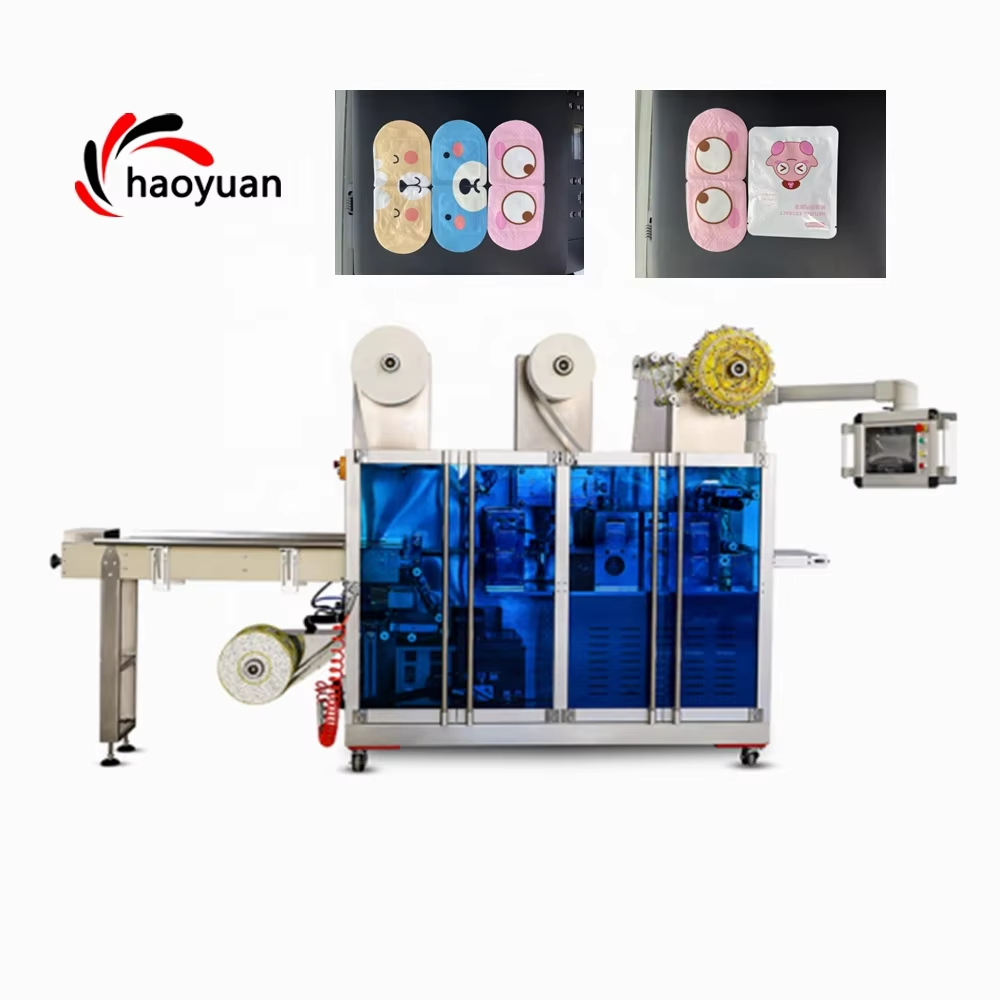
Understanding Production Capacity in Modern Steam Eye Mask Machines
Matching Machine Capacity to Business Scale and Market Demand
Picking the correct machine size is really about matching what technology can do with where the business wants to go. Most startups and smaller brands kick things off with machines that produce between 15 and 25 pieces per minute. These work well for local markets, typically hitting around 50 thousand units a month. When companies grow a bit, they usually step up to machines running at 25 to 50 ppm range. This gets them closer to 200k monthly output which makes sense when trying to expand into new territories. Big players in the market need serious horsepower though. They install those high speed systems rated at 50 to 75 ppm that can churn out over 300 thousand units each month. These are essential for keeping up with orders from global distributors and fulfilling those private label deals that big box stores want. The whole approach of scaling equipment as the business grows helps keep money spent smartly while still allowing room for expansion without breaking the bank.
Standardized Benchmarks: Emerging Trends in Technical Specifications
The industry is moving away from old ways and embracing standard metrics now. When it comes to performance, most folks look at things like energy usage around 8 to 12 kilowatt hours for every thousand units produced, plus how fast machines can switch between different sizes, ideally under 15 minutes. Many top companies have jumped on board with ISO 13485:2016 standards, which basically creates a shared playbook for managing quality in those single-use heat transfer products we see everywhere these days. As these standards continue to develop, they help compare apples to apples when looking at different suppliers worldwide. This kind of transparency pushes everyone to keep improving their designs and running operations better over time.
Production Capacity by Speed Range: Low, Mid, and High-Output Machines
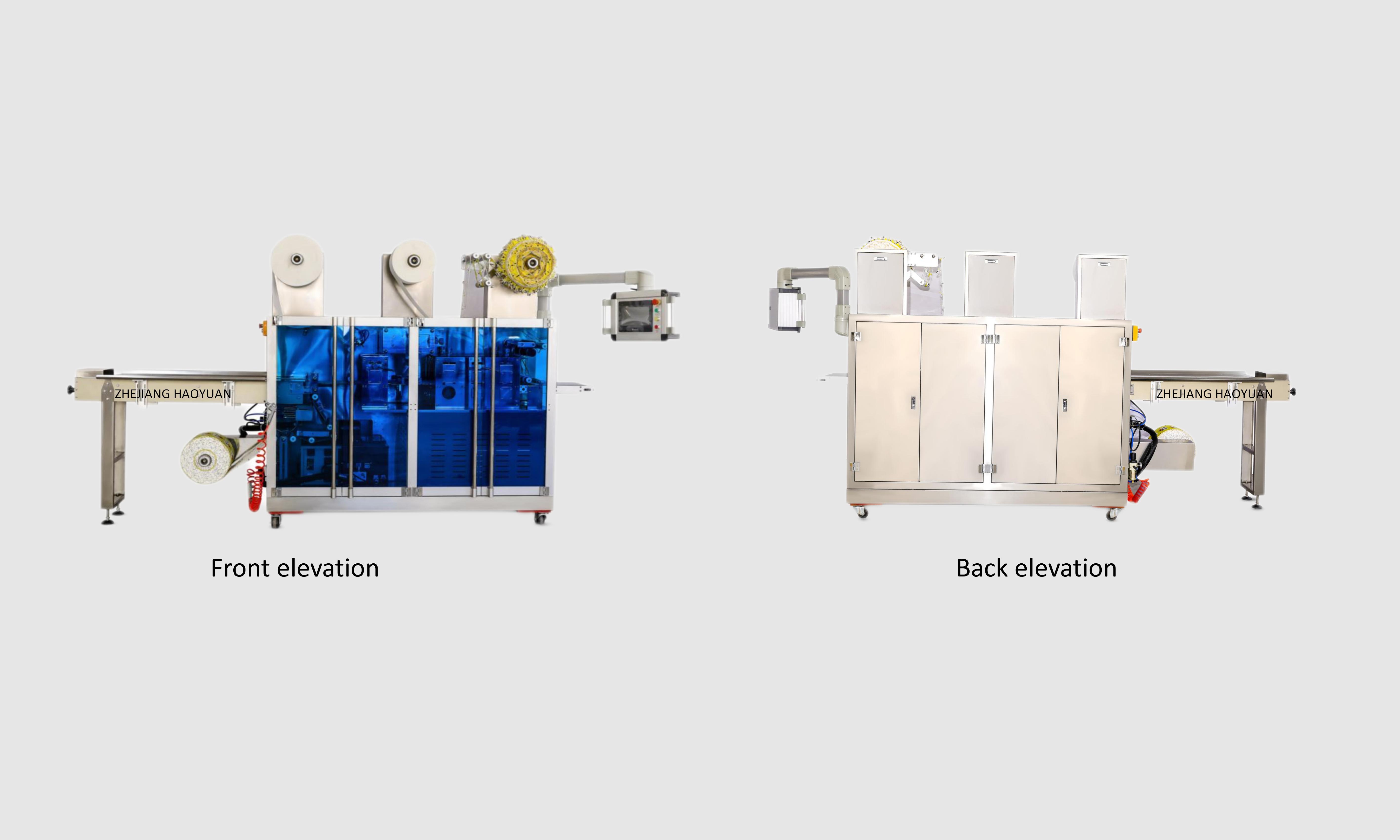
Low-Speed Machines (15–25 pcs/min): Cost-Effective Solutions for Startups and Niche Brands
The low speed steam eye mask machines are great options for small business owners getting started, producing around 15 to maybe even 25 units each minute. What makes them attractive is their price tag combined with decent reliability, so companies can run smaller batches or experiment with different formulas without breaking the bank upfront. Startups especially find value here since they don't have to worry about equipment sitting idle when demand fluctuates, plus they get to test how the market reacts before investing heavily in expansion. Operation-wise these machines are pretty straightforward, which means less time spent on training staff and fewer calls to tech support. That simplicity works well for businesses making specialty products aimed at local customers who want something unique but not too expensive.
Mid-Speed Machines (25–50 pcs/min): Optimal Balance of Automation and Efficiency
Mid speed machines typically handle around 25 to 50 items each minute, striking a good balance between what automation can do and what it costs manufacturers who are expanding their operations. These kinds of systems work great for companies distributing products regionally or fulfilling those mid sized orders from retailers. They come packed with stuff like automatic sealing and packaging functions which cut down on hands on work roughly half compared to when everything has to be done manually. The pace isn't too fast so quality stays intact even as production ramps up. That makes these machines particularly helpful for businesses moving beyond just their local area into bigger markets or when they want to start selling different versions of their products without breaking the bank.
High-Speed Machines (50–75 pcs/min): Maximizing Output for Large-Scale Manufacturers
The high speed machines can produce anywhere from 50 to 75 items each minute, primarily used by big manufacturers and packaging companies that handle bulk orders. These systems are completely automatic, featuring robotic arms and constant monitoring capabilities. They run almost non-stop with very little need for human intervention once everything is set up properly. According to industry standards, most of these setups hit around 85 to maybe even 90 percent efficiency when all components work together smoothly. The massive output makes them ideal for supplying products right when needed by big box stores and supporting international shipping demands. But there's a catch too. To keep these machines running at their best, facilities need solid infrastructure investments and trained staff who understand how to troubleshoot problems quickly.
Automation and Smart Technology in Steam Eye Mask Machine Packaging
Core Components of Automation: Robotics and Control Systems in Steam Eye Mask Machines
Today's steam eye mask machines are pretty impressive when it comes to automation. They use robotics along with those PLCs we hear so much about these days to handle all sorts of packaging jobs at lightning speed. The whole system takes care of feeding materials into place, positioning each mask just right, sealing them properly, and even doing inspections without needing much hands-on work from people. Servo motors have gotten really advanced lately, making sure everything moves together smoothly. And there are these smart vision systems now that spot bad units and kick them out of the line before they get packaged. When everything works as intended, factories can crank out around 50 to maybe 75 masks every single minute if they run the whole setup completely automatically.
IoT and Smart Sensors: Enabling Real-Time Monitoring and Predictive Maintenance
Smart sensors connected through IoT tech keep an eye on machines all day long, watching things like heat levels, pressure changes, and vibrations that might signal trouble. All this information gets sent back to main control systems where factory managers can see what's going on in real time. They spot when something might break down before it actually happens and tweak operations from across town if needed. Factories that have implemented these connected systems often see around 30% less unexpected stoppages during production runs. Some even report their equipment running about 25 percentage points better overall according to those OEE metrics everyone talks about. These improvements translate into gains for businesses looking to boost output without breaking the bank on new machinery.
Case Study: Fully Automated Line Reduces Downtime by 40% at a Chinese Manufacturer
One major Chinese factory recently rolled out an entirely automated production line for steam eye masks, complete with robots and connected through the Internet of Things. These smart sensors kept track of how well everything was running and watched over production numbers as they happened, which made it possible to fix problems before they really messed things up. The results were pretty impressive actually machine breakdowns went down around 40 percent, and overall what they could produce went up about 35% just in twelve months. Their automatic quality checking setup made a big difference too. They saw their reject rate drop dramatically from 3.2% all the way down to 0.8%, and still managed to keep cranking out 60 units every single minute without missing a beat.
Phased Implementation Strategy: Scaling Automation for Cost Efficiency
Many manufacturers start small when bringing automation into their operations, tailoring implementation to what fits their budget and current production demands. The first steps often target areas where mistakes cost money, such as checking product quality or wrapping finished goods for shipment. After getting comfortable with those basics, companies usually bring in robots for repetitive tasks and install smarter control systems that monitor everything happening on the factory floor. Going slow helps keep initial investments manageable while still seeing returns pretty quickly - most businesses notice savings from fewer workers needed, better productivity rates, and less wasted materials somewhere between 12 to maybe 18 months down the road. Small and medium sized enterprises find this method especially helpful when they want to grow their business without stretching finances too thin during expansion.
Machine Types: Manual, Semi-Automatic, and Fully Automatic Steam Eye Mask Machines
Manual Machines: Low Entry Cost with Limited Production Capacity
The manual steam eye mask machines need quite a bit of hands-on work from operators during feeding, sealing, and packaging processes, which usually caps production at around 10 to maybe 20 units each minute. Sure, these models come with the smallest price tag upfront, but since everything depends on human labor, it gets tough to scale up operations or maintain consistent quality across batches. Small businesses just starting out or those handling special orders tend to find them most useful. These machines work well in specialized markets where customers want unique products rather than mass production runs.
Semi-Automatic Machines: Balancing Human Oversight and Production Speed
Semi automatic machines handle most of the heavy lifting when it comes to things like heating and sealing, though someone still needs to load materials and do those final checks. These machines typically run between 20 to 40 items each minute, cutting down on how much manual work is needed while keeping things flexible enough to switch products as needed. For smaller businesses looking to boost their output without breaking the bank on complete automation, these hybrid systems offer a practical middle ground that works well in many manufacturing settings.
Fully Automatic Machines: Supporting Continuous, High-Volume Production
Automatic machines handle everything from start to finish these days - feeding materials, activating steam, sealing products, then packaging them all without stopping. These systems crank out around 50 items every minute straight through. When people aren't needed as much during production, the results tend to be more consistent across batches while cutting down on what each item costs to make. According to recent industry reports, fully automated production lines stay running about 85% of the time or better. That kind of reliability is why big manufacturers rely so heavily on automation when their customers want tons of product fast.
Industry Trends Driving Innovation in Steam Eye Mask Machine Technology
Rising Global Demand and Market Expansion Accelerating Production Needs
The growing interest in wellness products around the world has really pushed forward some pretty interesting developments when it comes to packaging for steam eye masks. Looking at recent market data, there's been about a 23 percent increase each year in automated options for personal care stuff, mainly because people in places like Asia and North America are starting to grab onto these products more than ever before. Companies trying to keep up with all this demand are throwing money into production lines that can speed things up, adapt better to different orders, and still manage to keep product quality where it should be. The challenge remains balancing fast output with those important quality standards that consumers have come to expect from their self-care purchases.
Sustainability and Energy Efficiency in Modern Steam Eye Mask Packaging
Machine design these days puts energy efficiency and green practices right at the top of the priority list. The latest equipment incorporates servo driven components which slash electricity usage significantly when stacked against old school pneumatic systems. Thermal management tech has also made strides, better controlling heat spread during mask operations while still keeping performance levels intact. Manufacturers are seeing real value from these upgrades as they meet stricter regulations and tap into growing demand for environmentally friendly products. Companies that adopt these changes not only boost their green credentials but also position themselves for sustained success in an increasingly eco aware marketplace.
Custom vs. Modular Designs: Flexibility and Integration in Production Lines
When it comes down to picking between custom built machines or going modular, most producers base their decision on what their operations actually need. The thing about custom systems is they fit right into whatever production line already exists, which is great if everything else works together well. But there's a catch too many folks forget about these setups cost way more money upfront and take ages to get delivered from the factory. Modular options tell a different story altogether though. These babies can be installed much quicker than traditional setups some reports even say around 40% faster when setting things up. Plus, upgrading later isn't such a headache either. That flexibility really matters for smaller to medium sized companies trying to keep pace with changing customer wants without breaking the bank every time markets shift directions unexpectedly.
FAQ Section
What factors should be considered when choosing a steam eye mask machine?
When selecting a steam eye mask machine, consider your business scale and market demand, machine's production capacity, automation level, and technical specifications. Choose a machine that aligns with your current and future business needs.
How does machine design impact energy efficiency and sustainability?
Modern machines with servo-driven components and advanced thermal management technology reduce energy consumption, meeting environmental regulations and tapping into the demand for eco-friendly products. This design approach boosts green credentials and business sustainability.
What are the benefits of automating steam eye mask machine operations?
Automation enhances efficiency and production speed, reduces human error, and improves product consistency. Smart technology such as IoT and smart sensors provide real-time monitoring and predictive maintenance, lowering downtime and operational costs.
Table of Contents
- Understanding Production Capacity in Modern Steam Eye Mask Machines
- Production Capacity by Speed Range: Low, Mid, and High-Output Machines
-
Automation and Smart Technology in Steam Eye Mask Machine Packaging
- Core Components of Automation: Robotics and Control Systems in Steam Eye Mask Machines
- IoT and Smart Sensors: Enabling Real-Time Monitoring and Predictive Maintenance
- Case Study: Fully Automated Line Reduces Downtime by 40% at a Chinese Manufacturer
- Phased Implementation Strategy: Scaling Automation for Cost Efficiency
- Machine Types: Manual, Semi-Automatic, and Fully Automatic Steam Eye Mask Machines
- Industry Trends Driving Innovation in Steam Eye Mask Machine Technology
- FAQ Section