
 EN
EN



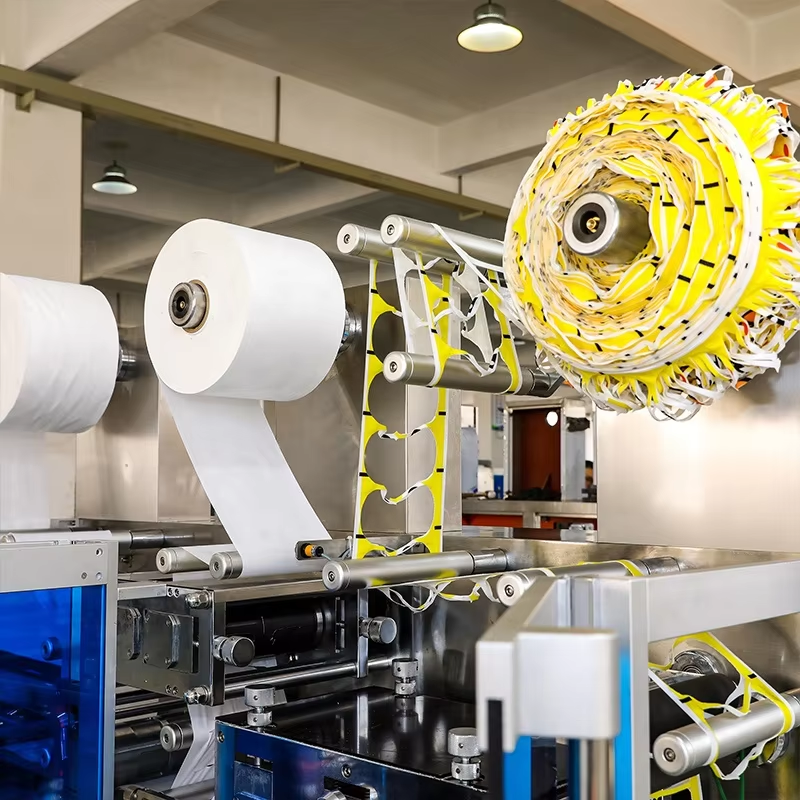
Core Challenges in Manual Steam Eye Mask Packer
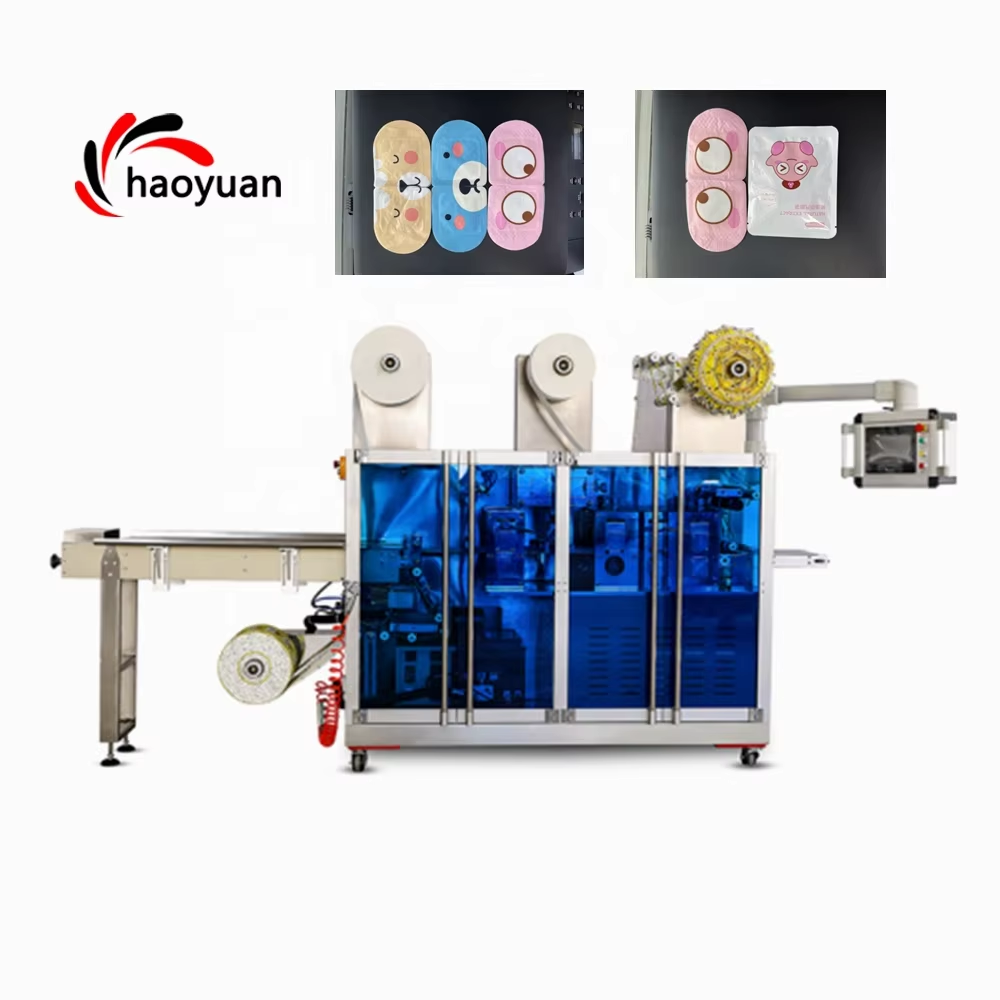
Making steam eye masks by hand presents real problems when it comes to keeping quality consistent and getting things done efficiently enough. The materials used are super sensitive to heat, so controlling just the right amount of moisture and temperature during assembly is tricky business for humans working alone. Most workers find it tough to get those steam levels right across all products, which leads to plenty of faulty masks where either the heating element doesn't work properly or bursts when someone touches them. Keeping everything sterile is another big headache too. When people handle stuff manually in regular workshop settings, there's always a higher risk of germs getting into the product. And let's not forget about how slow things go overall. People get tired, their speed varies from day to day, and this creates major slowdowns whenever orders start piling up. Without machines watching over quality checks, simple visual inspections miss small sealing problems in around 10% of products based on recent industry reports. Then there are all those paper trails required by regulators like the FDA. Filling out all those forms takes up roughly 15 to 20 minutes per shift for every worker. Throw in the fact that wages eat up more than 40% of operating costs versus what automated systems would cost, and it's clear why sticking with manual production just isn't cutting it anymore for most manufacturers looking to grow their operations without breaking the bank.
Steam Eye Mask Packer: Key Automated Functions and Technical Advantages
Precision Filling and Steam Activation Control
The specialized gear used here can measure those hydrogel parts really accurately, within about half a gram either way, and it works hand in hand with the moisture injectors and heat systems. Keeping that right balance between water and material is super important for getting that consistent warm feeling when someone opens the package. The temperature needs to hit around 42 degrees Celsius give or take two degrees for proper therapeutic effect. These smart sensors constantly tweak how much steam gets produced throughout the process. They stop things from activating too early but still make sure each product works as intended. Getting this level of precision means no more mistakes from people measuring manually, which saves materials that would otherwise go to waste. Factories report seeing their production yields jump by roughly thirty percent after switching to this automated approach.
Vision-Guided Sealing and Sterility-Compliant Packaging
Before starting any contactless sealing operations, high resolution cameras check where masks are positioned to maintain those strict ISO Class 8 cleanroom requirements during packaging processes. These advanced vision systems actually spot tiny micro folds in the laminates that might weaken the barrier protection. When they find something wrong, the system automatically rejects bad units at a rate of around 120 packs every minute. For hermetic sealing validation, we follow standard HACCP protocols which help ensure there's absolutely no microbial contamination for the full 24 month shelf life period. Switching to automated systems has really helped prevent sterility issues that used to happen with manual handling methods. According to recent GMP audits, defect rates have dropped significantly by about 45% since implementing these changes across production lines.
Measurable Efficiency Gains from Steam Eye Mask Packer Deployment
Steam Eye Mask Packer technology delivers quantifiable operational improvements, transforming production economics. Automated systems eliminate manual handling bottlenecks and enable continuous operation. Leading manufacturers report an average 37% gain in throughput capacity—driven by precise mechanical coordination and data-driven process optimization.
Cycle Time Reduction and Uptime Improvement (37% Avg. Gain)
The automated packing machine combines three key steps - filling, activating, and sealing products all within one smooth workflow. This eliminates those annoying delays that happen when workers have to manually move items from station to station. These machines come equipped with advanced servo controls that keep everything running at steady speed no matter what. They don't slow down like humans would after working for hours on end. Plus there are thermal monitoring systems built right in to stop the whole operation from shutting down because something gets too hot during long production runs. With all these components working together, most facilities can run their lines around the clock for five days straight with about 97.5 percent uptime. According to various industry reports, companies typically see about a 37 percent boost in overall efficiency when switching from semi-automated systems to fully automated packing solutions.
Defect Rate Decline via Real-Time Quality Monitoring
Integrated vision systems perform 100% inline inspection at critical stages:
- Moisture sensors verify exact steam payloads (±0.5% tolerance)
- Thermal cameras detect sealing integrity flaws before packaging
- AI algorithms identify material fold anomalies in milliseconds
Real-time rejection of non-conforming units prevents downstream rework, reducing defect rates by 58% and virtually eliminating recalls caused by faulty seals or inadequate steam activation. Continuous data logging also enables root-cause analysis for ongoing process refinement.
Seamless Industry 4.0 Integration: Data-Driven Traceability and Predictive Maintenance
When Steam Eye Mask Packers get connected to Industry 4.0 tech, it completely changes how we monitor production lines. These sensor networks follow each product all the way from being filled to getting sealed, creating detailed digital records so we can track entire batches instantly. Having this level of detail means problems with quality can be caught right away, and everything gets documented for compliance checks automatically. At the same time, smart algorithms are constantly looking at things like vibrations, heat patterns, and power usage to spot potential issues with bearings or seals long before they become serious problems. We've seen these systems catch issues up to three days ahead of time. Studies indicate that this kind of predictive maintenance cuts down on unexpected breakdowns by around 30 to 50 percent and actually makes machines last longer. What really stands out is this two-fold advantage: tracking products back through their manufacturing history while also knowing when maintenance will be needed next. This creates production setups that basically run themselves, keeping equipment effectiveness above 85% most of the time. And all those continuous data updates help manage inventory too, automatically ordering replacements parts before anything wears out completely.
FAQ Section
What does automated steam eye mask production involve?
Automated steam eye mask production involves using machines to manage the filling, activation, and sealing processes with precision. It employs sensors for monitoring steam levels, temperature, and moisture ensuring consistent product quality.
Why are manual steam eye mask productions challenging?
Manual steam eye mask production is challenging due to difficulties in controlling moisture and temperature, which affects product quality, the risk of contamination, and requires extensive paperwork and labor cost.
How does automation improve steam eye mask production efficiency?
Automation enhances efficiency by eliminating manual bottlenecks, allowing for continuous operation, increasing throughput capacity by 37%, reducing cycle time, and improving uptime.
What are the advantages of Industry 4.0 integration in steam eye mask production?
Industry 4.0 integration offers continuous monitoring and traceability of production processes, predictive maintenance, preventing breakdowns, and maintaining high equipment effectiveness.