
 EN
EN



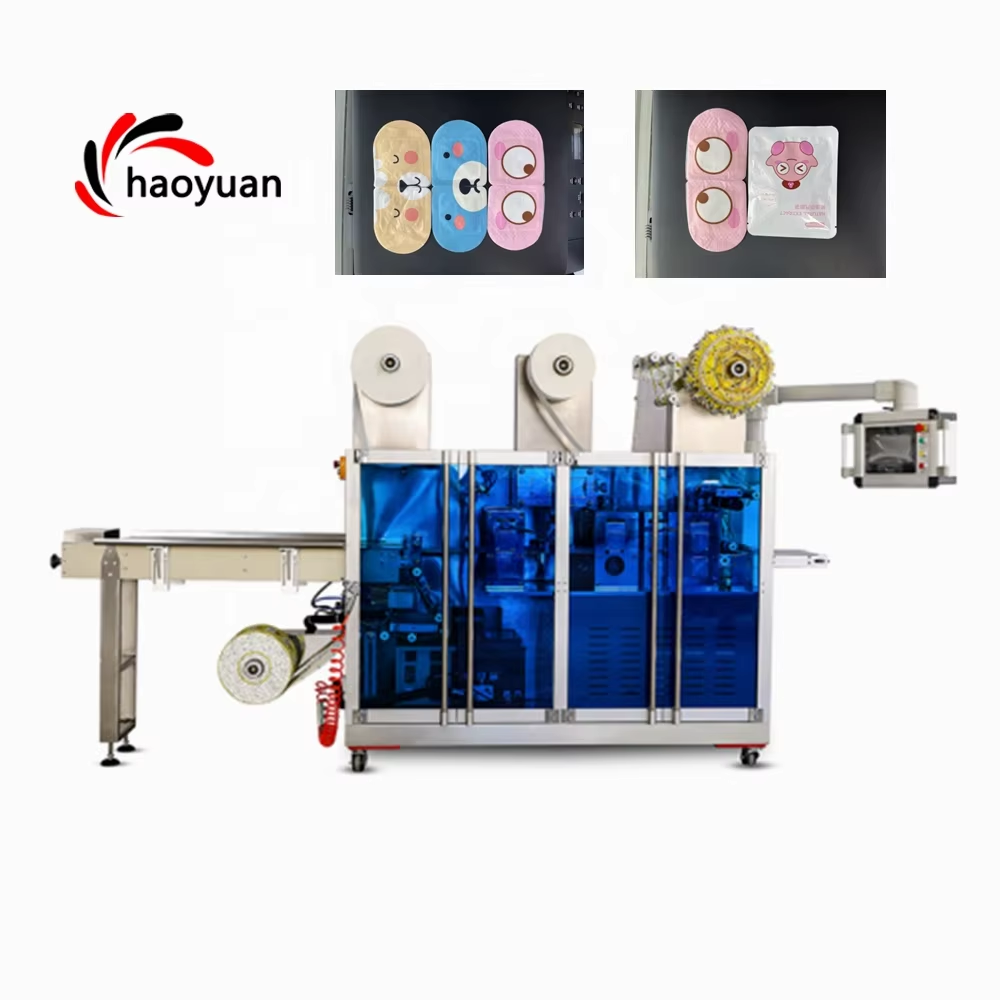
Synergizing Core Exothermic Layer Materials with Steam Eye Mask Packer for Stable Thermal Performance
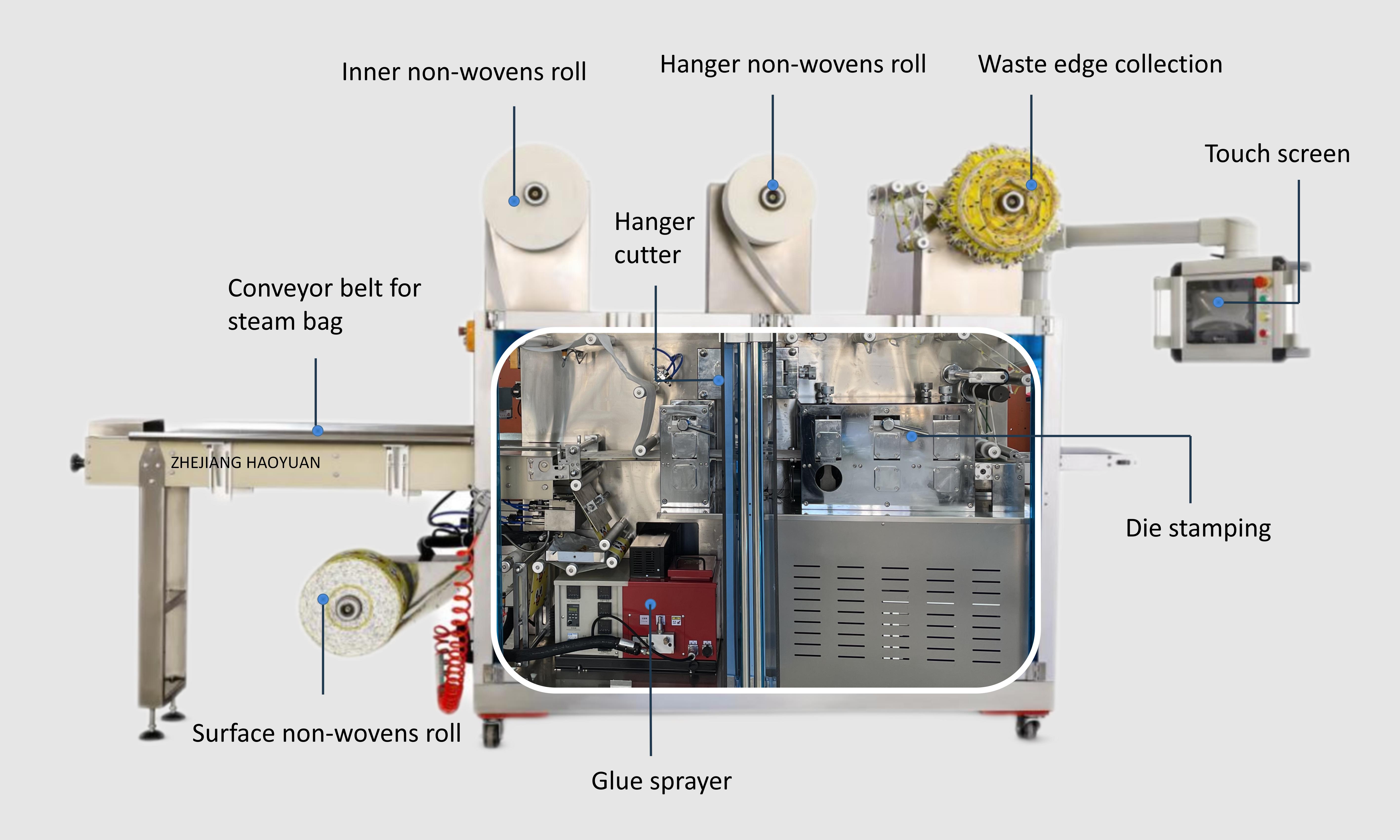
Iron Powder for Controlled Steam-Generating Oxidation
When fine iron particles measuring around 50 microns or smaller come into contact with oxygen, they start the main exothermic reaction process. The large surface area of these tiny particles allows for controlled oxidation which produces steady and safe heat levels. Most of the time we see temperatures between 40 to 45 degrees Celsius, making it perfect for creating therapeutic steam without getting too hot. This kind of carefully regulated heat helps turn water molecules into a gentle vapor that can penetrate deeply, all while keeping things cool enough to avoid any damage to sensitive eye areas or surrounding facial tissues during treatment sessions.
Activated Carbon and Salt as Reaction Stabilizers and Odor Neutralizers
Activated carbon works really well because of its special porous structure and high surface area, typically over 800 square meters per gram. This material helps control how fast oxidation happens, stopping dangerous chain reactions while also grabbing onto sulfur compounds and those pesky organic vapors. Food grade sodium chloride with at least 99% purity does two things at once. First, it acts as a kind of speed booster for iron oxidation processes. Second, it naturally gets rid of any lingering metal smells that might stick around after treatment. When these components work together, they create consistent heat output during the entire process without unexpected spikes or drops, which is exactly what industrial operators need for reliable results day after day.
Vermiculite for Sustained Moisture Retention and Even Heat Diffusion
When expanded, vermiculite granules can soak up around 2 to 3 times their own weight in water, which makes them function as both thermal buffers and little moisture storage units. The reason behind this is their unique layered silicate structure that allows for a gradual release through capillary action during the entire treatment period of about 10 to 15 minutes. What does this mean practically? Well, it helps spread heat evenly across those sensitive areas around the eyes while keeping things nice and moist at around 70 to 80% relative humidity. Maintaining this kind of humidity level is actually really important for getting good results from meibomian gland treatments, something many people might not realize when looking at these materials.
Multi-Layer Functional Architecture: Skin Contact, Therapeutic Delivery, and Structural Control
Steam eye masks rely on a precisely engineered three-layer architecture to balance safety, clinical efficacy, and compatibility with automated Steam Eye Mask Packer systems. Each layer fulfills a distinct functional role—from direct ocular interface to structural containment—ensuring reliable performance from manufacturing through end-user application.
Skin-Side Nonwoven Fabric: Breathable, Hypoallergenic Interface for Sensitive Users
At the core lies a special type of medical grade nonwoven material made just for around the eye area. The way this fabric is constructed lets steam pass through at the right rate without letting moisture build up or collect on the surface. Medical tests have shown this stuff causes very little reaction from skin, with only about one out of every thousand people experiencing any irritation during standard patch tests. What's more, when worn against skin, it stays cool enough, under 40 degrees Celsius or 104 Fahrenheit, so there's no chance of burns happening. Even folks who wear contacts regularly or have particularly delicate skin can safely use products made with this kind of fabric.
Medical-Grade Cotton Layer: pH-Balanced Hydration and Meibomian Gland Support
Situated between the nonwoven and exothermic layers, pharmaceutical cotton serves as a functional hydration matrix. Its natural cellulose fibers:
- Maintain a pH of 5.5—6.0—matching the physiological acidity of the tear film
- Absorb and gradually release moisture to sustain steam output
- Distribute thermal energy evenly across the orbital zone
In a 2023 clinical trial published in Ophthalmology Times, nightly use over two weeks yielded a 78% improvement in meibomian gland function compared to baseline.
Polypropylene Outer Shell: Precision Steam Regulation and Mechanical Integrity
The outer shell material consists of specially engineered polypropylene film that has been micro-perforated to control steam release rates below 0.2 grams per minute. This level of control is really important for making sure the therapy works consistently every time. During fast packaging processes, the material can handle forces of around 15 Newtons before showing any signs of wear. What's more, it maintains its shape and size even when stored in environments as cold as minus 20 degrees Celsius down to as warm as 50 degrees Celsius, which translates roughly to between negative four and 122 degrees Fahrenheit. The material acts like a protective shield against outside pollutants too, keeping everything inside sterile while extending how long products stay fresh on shelves. And despite all these barriers, steam still moves through the system exactly as intended for proper function.
Steam Eye Mask Packer Considerations: Material Compatibility, Safety, and Regulatory Compliance
Hypoallergenic, Fragrance-Free Formulations Aligned with ISO 10993 and FDA Guidelines
The automated packaging equipment needs to handle formulas that have been thoroughly checked for eye area safety first. Hypoallergenic stuff like medical grade adhesives and nonwoven materials should go through ISO 10993 compatibility tests to make sure they cause less than 0.1% irritation when tested on people with sensitive skin. No fragrances allowed either since these can contain irritating chemicals that the FDA specifically bans for products near the eyes under their 21 CFR Part 700.25 rules. Good quality packaging systems come with built in testing procedures such as checking each batch for heavy metals below 10 parts per million of lead or cadmium, running tests to see if anything comes out that might be toxic to cells, and doing actual skin patch tests on real patients. These steps cut down on bad reactions by around three quarters compared to uncertified options based on recent 2023 safety checks from ophthalmologists.
FAQ
What is the purpose of iron powder in steam eye masks?
Iron powder in steam eye masks serves the purpose of initiating controlled steam-generating oxidation. This helps maintain safe heat levels between 40 to 45 degrees Celsius, which is ideal for therapeutic steam without overheating.
How do activated carbon and salt contribute to the efficacy of steam eye masks?
Activated carbon and salt stabilize the exothermic reaction and neutralize any odors. They manage the speed of oxidation and remove lingering metal smells, ensuring a consistent and safe heat output.
Why is vermiculite included in the layers of a steam eye mask?
Vermiculite is included for its moisture retention capabilities and even heat diffusion. It absorbs water and gradually releases it, allowing the mask to maintain ideal moisture and humidity levels necessary for effective meibomian gland treatments.
What makes the nonwoven fabric skin-side layer suitable for sensitive skin?
The nonwoven fabric is breathable and hypoallergenic, causing minimal skin irritation. It allows steam to pass through effectively without causing moisture accumulation or burns, making it safe for sensitive skin.
What regulations ensure the safety of steam eye masks?
Steam eye masks must adhere to ISO 10993 compatibility tests and FDA guidelines under 21 CFR Part 700.25 for safety around the eye area. Packaged systems undergo tests to minimize irritation and ensure hypoallergenic formulations.
Table of Contents
- Multi-Layer Functional Architecture: Skin Contact, Therapeutic Delivery, and Structural Control
- Steam Eye Mask Packer Considerations: Material Compatibility, Safety, and Regulatory Compliance
-
FAQ
- What is the purpose of iron powder in steam eye masks?
- How do activated carbon and salt contribute to the efficacy of steam eye masks?
- Why is vermiculite included in the layers of a steam eye mask?
- What makes the nonwoven fabric skin-side layer suitable for sensitive skin?
- What regulations ensure the safety of steam eye masks?