
 EN
EN



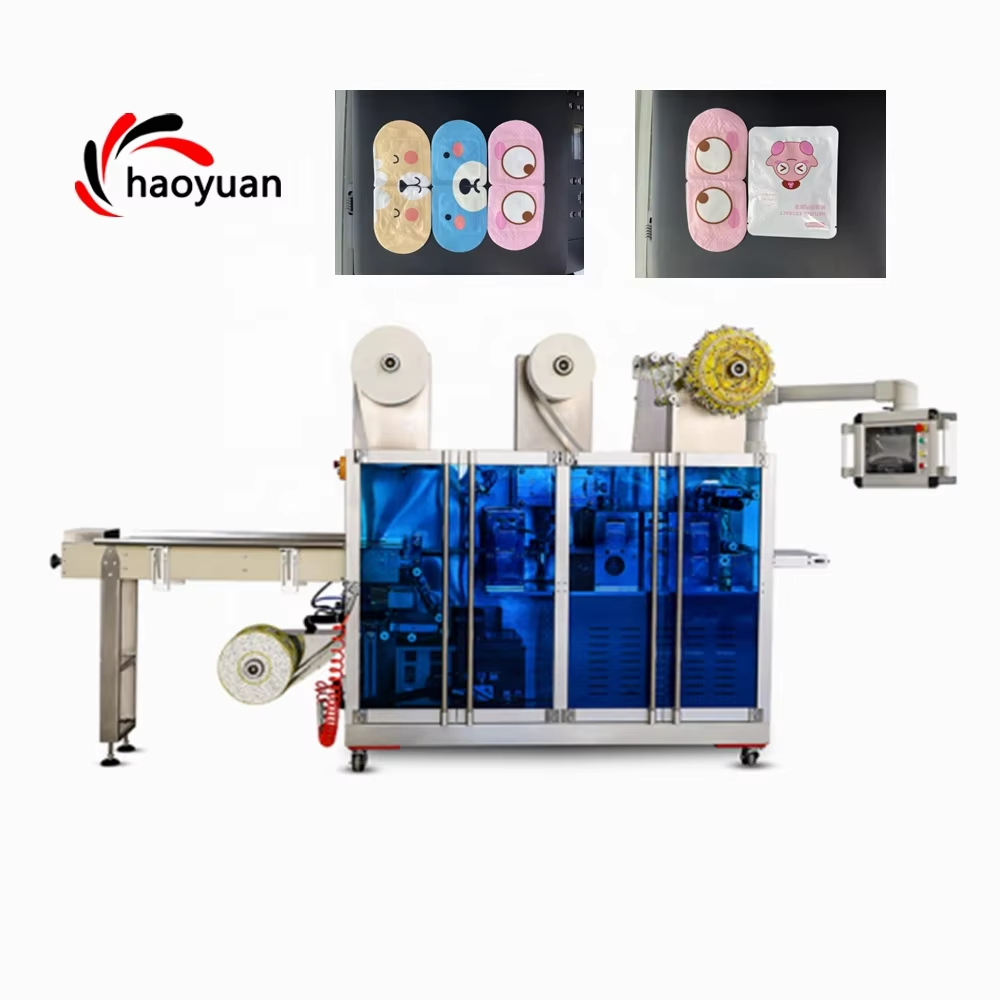
Initial Investment: Key Components of a Steam Eye mask Production Line
Core machinery and infrastructure for Steam Eye Mask Production
Putting together a full steam eye mask production line means having all the key machines work together in order. First things first, there's the heater assembly unit where manufacturers mix iron powder, activated carbon, and nonwoven fabric to create that special heating element inside each mask. After this comes the automatic sealing machine that wraps everything up tight in air sealed packaging. This part really matters because it keeps the moisture activated heat working properly, which makes all the difference when customers actually use the product later on.
The extra gear needed covers things like precision cutters that shape those masks just right, plus automatic machines that handle the bagging and boxing work. Quality checks happen at stations fitted with scales to measure weights accurately and special tech that spots leaks before they become problems. When designing these facilities, controlling humidity and keeping dust down isn't optional it's essential. Why? Because if the environment gets too wet or dry, or picks up unwanted particles, the whole chemical process that makes steam works differently. And trust me, even small changes in air quality or moisture content will mess with how consistent each batch turns out, which ultimately means products won't meet standards.
Turnkey vs. modular setups: Cost, scalability, and implementation time
When it comes to setting up production lines, manufacturers have two main options: turnkey systems or modular setups. The choice often depends on how much money they want to spend upfront, whether they need something that can grow with their business, and how quickly they want products hitting shelves. Turnkey solutions come ready to go out of the box with everything already connected and configured. Sure, these cost more initially somewhere around $200k to half a million dollars but they get deployed much faster, usually within three to six months after purchase. What makes them attractive is that all the components work together seamlessly right from day one, which cuts down on those frustrating integration problems many companies face. For businesses running large scale operations where getting products to market fast matters most, this kind of system tends to be the way to go.
With modular systems, companies can invest step by step and tailor equipment to their needs without spending a fortune upfront. These setups adjust well to different production volumes as businesses grow. On the flip side though, getting everything running takes more time than expected, and staff usually need some technical know-how to get things working right. Modular production lines definitely scale up nicely as operations expand, but during the early stages they just don't match what turnkey solutions offer out of the box. Turnkey systems come ready to go at maximum efficiency right away since manufacturers design them specifically for particular capacities and performance levels from day one.
Hidden setup costs: Installation, permits, and facility modifications
When looking at what goes into setting up a new operation, there are plenty of unexpected costs that eat into the budget beyond just buying the equipment itself. Think about all those electrical upgrades needed for those big sealing machines that draw so much power, plus installing proper plumbing systems to manage humidity levels effectively. And don't forget about reinforcing the building structure to handle the constant vibrations from heavy industrial machinery running day after day. Then there's the whole permitting process and making sure everything complies with regulations, particularly when dealing with things like iron powder which can be quite dangerous if not handled properly. These requirements alone often end up costing between fifteen thousand and forty thousand dollars in various fees and consultant charges depending on local ordinances and safety standards.
Environmental controls such as dust collection systems are essential to meet occupational safety standards, while validation testing ensures packaging meets regional consumer product regulations. Collectively, these ancillary costs account for 20–30% of the total initial outlay but are vital for ensuring long-term operational compliance and product reliability.
Operating Costs: Labor, Energy, and Facility Overheads in Manufacturing
Labor requirements and wage trends in Steam Eye Mask Production regions
Steam eye mask production requires skilled personnel including machine operators, quality inspectors, material handlers, and maintenance technicians. While automation reduces direct labor demands, human oversight remains essential for monitoring output quality, troubleshooting issues, and maintaining equipment.
The cost of labor makes up around 25 to 40 percent of all operating expenses. When we look at fully burdened wages that include things like benefits, taxes, and insurance, these often end up being 30 to 50 percent higher than just the base salary itself. Location matters a lot too. Factories located in places like Vietnam or Indonesia typically have much lower labor costs compared to those running operations across the United States or Germany. The actual price tag varies based on several factors including worker skills, existing union contracts, and how complicated the tasks are. All these elements combine to make where a company chooses to set up shop one of the most important decisions when trying to keep costs under control.
Energy consumption and utility costs for continuous operation
Energy-intensive processes define steam eye mask manufacturing, particularly in heating, sealing, and climate-controlled environments. Continuous operation drives significant electricity use, with utilities accounting for 5–15% of annual operating budgets—electricity being the largest component. Costs vary by region, energy source, and demand pricing structures.
Given the 24/7 nature of most production schedules, energy efficiency is crucial. High utilization accelerates equipment wear, increasing both maintenance frequency and depreciation costs. Manufacturers benefit from analyzing historical usage patterns and investing in energy-efficient technologies like variable-frequency drives and smart grid integration to manage consumption and reduce long-term expenses.
Facility maintenance and regulatory compliance expenses
Ongoing facility costs include equipment repairs, sanitation protocols, building upkeep, and regulatory compliance. Environmental permits, safety certifications (such as OSHA or ISO standards), and quality documentation contribute to overheads that typically range from 10–20% of total operating costs.
Additional financial burdens come from property taxes, insurance premiums, and administrative staff dedicated to compliance tracking. Proactive maintenance scheduling and digital compliance management systems help minimize downtime and ensure adherence to consumer safety regulations, supporting uninterrupted market access and brand trust.
Automation and ROI: Evaluating Robotics and Smart Packaging Systems
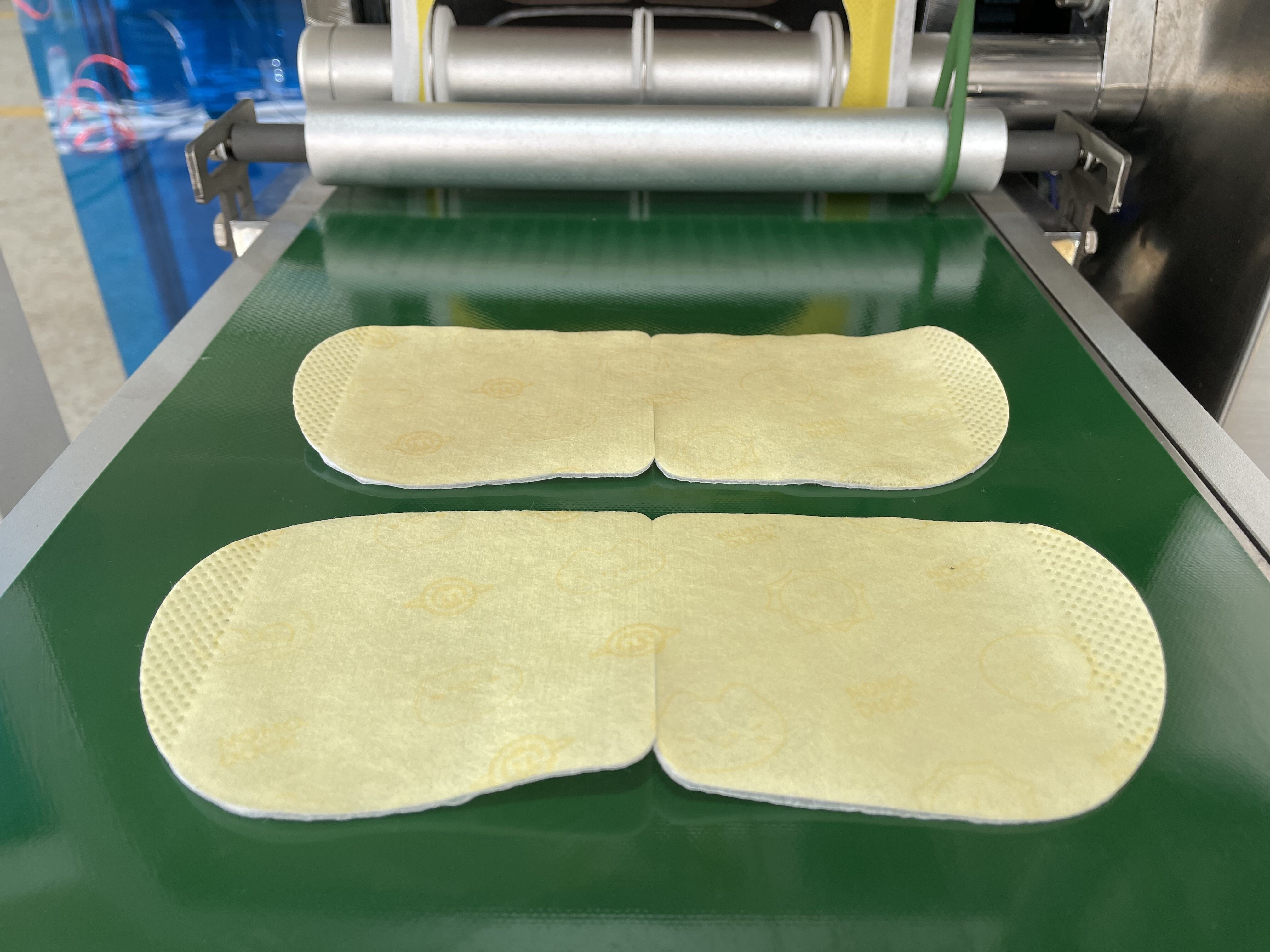
Role of Automation in Reducing Long-Term Operational Costs
Automation delivers substantial long-term savings in steam eye mask production by reducing labor dependency and improving output consistency. Although robotics and smart packaging systems require significant upfront investment, industry studies show manufacturers typically achieve full return on investment (ROI) within 2–3 years.
Automated lines reduce human error by up to 85%, operate continuously without fatigue, and decrease material waste through precise handling. Integrated vision systems and real-time sensors maintain consistent quality standards, reducing the need for manual inspection teams and minimizing product rejections.
Innovations in Sealing and Packaging Machines for Precision and Speed
Modern sealing and packaging machines feature advanced thermal regulation and pressure control systems that ensure reliable seal integrity—a key factor in preserving the mask’s activation capability. These systems achieve speeds exceeding 120 units per minute while maintaining temperature accuracy within ±1°C.
The latest smart packaging equipment includes self-adjusting mechanisms that automatically compensate for variations in material thickness, eliminating manual recalibration during changeovers. This level of precision not only improves throughput but also ensures uniform heating performance across all units, enhancing customer satisfaction and reducing post-sale returns.
Case Study: ROI of Automated Lines in Leading Asian Manufacturers
Asian manufacturers who switched to automation for their steam eye mask lines are seeing some impressive results financially. At one factory, they cut down on running expenses by around 40% just in the first twelve months. How did they manage that? Well, they optimized staffing and managed to waste a lot less material during production. The automated equipment they installed packs things with remarkable precision too - getting close to 99.7% accuracy. And despite all this efficiency, they actually managed to boost output by 60% without needing any extra room on the factory floor. Pretty impressive when you think about it.
With an initial investment of $2.5 million in robotics and intelligent packaging technology, the company recovered costs in just 28 months—highlighting how automation can deliver rapid ROI while strengthening competitive advantage through scalability and quality control.
Raw Material Sourcing: Cost Drivers and Supply Chain Stability
Key materials: Iron powder, nonwoven fabric, and activated carbon price trends
The main ingredients for making those warm steam eye masks are iron powder, nonwoven fabric, and activated carbon. Together they account for roughly between 55% and maybe even 70% of what manufacturers spend on producing these products. Iron powder tends to be all over the place in terms of pricing because it's tied directly to what happens in global steel markets and how much mining gets done around the world. That makes budgeting pretty tricky for companies. Then there's the nonwoven fabric component which basically follows whatever happens to crude oil prices. When oil goes up, so does their cost, creating another layer of uncertainty for manufacturers trying to keep their margins stable.
According to a 2023 chemical market analysis, activated carbon prices rose 18% year-over-year due to increased demand across water treatment, healthcare, and industrial filtration sectors. These trends underscore the importance of dynamic procurement strategies and close supplier collaboration to manage input cost volatility.
Global supply chain risks and mitigation strategies
Supply chain disruptions pose serious risks to steam eye mask manufacturers reliant on global material sources. Single-source dependencies, geopolitical tensions, and logistics bottlenecks can halt production and inflate costs. During 2021–2023, pandemic-related shutdowns and shipping delays extended lead times by up to 300% and increased material costs by 40–60%.
Effective risk mitigation includes diversifying suppliers across multiple regions, maintaining strategic inventory buffers, and using forward contracts to secure pricing. Manufacturers should also qualify alternative materials and backup vendors to ensure continuity during crises, strengthening resilience against unforeseen supply shocks.
FAQ Section
What is the difference between turnkey and modular setups in steam eye mask production?
Turnkey solutions are ready-to-go systems with all components pre-configured, offering fast deployment at a higher initial cost. Modular setups allow incremental investment, customization, and scalability, but require more time and technical expertise to implement.
What are the hidden costs in setting up a steam eye mask production line?
Hidden costs include electrical upgrades, plumbing systems, building structural reinforcements, permits, environmental controls, and compliance testing, accounting for 20–30% of the initial outlay.
How does automation impact the ROI in steam eye mask production?
Automation reduces labor dependency and enhances efficiency, typically achieving full ROI within 2–3 years by lowering operational costs, improving consistency, and increasing production accuracy.