
 EN
EN



Thermal Safety and Skin Compatibility Requirements for Heating Patch Production Line
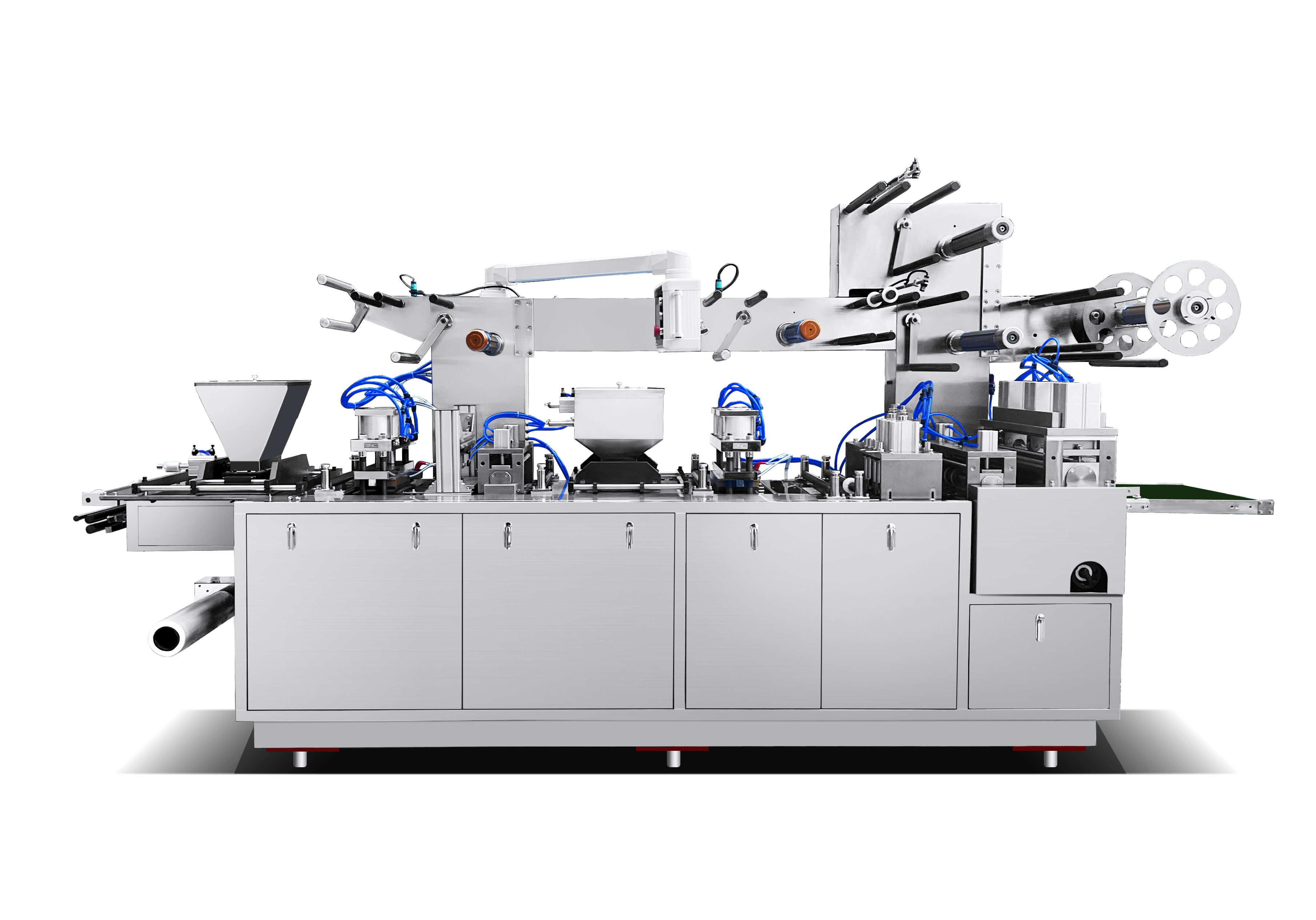
ISO 10993-5 Cytotoxicity and Skin Irritation Testing Protocols
Biological safety checks are essential for heating patch development. According to standard ISO 10993-5, we test for cytotoxic effects by exposing extracts to L929 fibroblast cells in lab conditions. The requirement is simple enough: after contact, at least 70% of these cells need to stay alive. For skin irritation testing, labs often turn to reconstructed human epidermis systems like Episkin. When test results come back with scores below 0.8, that generally means the material passes as biocompatible. Manufacturers typically run these critical tests during early stages of material qualification right on the production floor. This approach helps catch any potentially harmful substances that might leach out before moving forward with large scale manufacturing runs.
Safe Surface Temperature Limits and Real-Time Thermal Monitoring Integration
Sustained skin contact above 45°C poses a burn risk: ASTM C1055 indicates second-degree injury can occur within 15 minutes at that threshold. To ensure therapeutic efficacy without harm, production lines integrate:
- Embedded thermocouples with ±0.1°C accuracy
- AI-driven thermal mapping that dynamically adjusts heating elements
- Automated shutdown protocols triggered instantly upon exceeding 45°C
Real-time monitoring logs deviations to centralized dashboards, maintaining consistent operation within the validated 42–45°C range during use.
Adhesive Biocompatibility: REACH SVHC Screening and Hypoallergenic Validation
Adhesives are actually one of the main ways people get sensitized to chemicals, which means companies need to look at both their chemical makeup and how they affect real humans. Under REACH regulations, manufacturers screen for harmful substances like carcinogens and mutagens when these compounds make up more than 0.1% by weight in the product. On factory floors, advanced equipment called gas chromatography-mass spectrometry helps track down leftover solvents while skin tests are run on at least 300 different individuals to check for reactions. When formulas skip acrylates altogether and go through this whole testing process, we see something pretty impressive happening: sensitization cases drop dramatically, around 92% less compared with regular adhesive products on the market today. This makes a big difference for workers handling these materials day after day.
Global Regulatory Compliance for Heating Patch Production Line Market Access
EU MDR & CE Marking: EN 60601-2-60, RoHS, and Class IIa Thermal Device Classification
Getting into the EU market means manufacturers need to line up completely with the Medical Device Regulation (MDR). Thermal therapy devices specifically require CE marking according to standard EN 60601-2-60 for electrical safety requirements. The production process should include regular RoHS screening checks to make sure levels of harmful substances like lead, mercury, and cadmium stay within acceptable ranges. Heating patches fall under Class IIa classification, which means companies have to prepare extensive technical files that address everything from biocompatibility testing to thorough risk assessments and proper clinical evaluations. For large scale manufacturing operations, real time material verification becomes essential to catch any deviations from product specs before they become quality issues down the assembly line.
FDA Pathways: OTC Monograph Alignment vs. 510(k) Submission for U.S. Market Entry
There are basically two ways products get through the FDA approval process in the United States. For items that fit within the existing OTC monograph guidelines for topical pain relief, manufacturers don't need to go through the full premarket review process. However, these products still have to follow all the quality system regulations outlined in 21 CFR Part 820. When companies bring something new to market though, like different materials, innovative delivery methods, or make unique claims about their product, they generally need to seek 510(k) clearance first. This means gathering safety data comparing their device to similar ones already on the market, plus providing clinical proof that whatever heat retention properties exist will last at least eight hours during normal wear. Once approved, production facilities need to keep track of any changes made to manufacturing processes through proper documentation systems so they can maintain their cleared status going forward.
Certified Manufacturing Infrastructure Supporting Heating Patch Production Line Safety
Manufacturers making heating patches need facilities that meet strict international safety standards. For instance, IEC 60079-30 certification is essential when working areas might have flammable solvents around. Cleanrooms rated at ISO Class 7 or better help keep dust particles away from the adhesive application process. Meanwhile, production lines typically include thermal fuses along with extra temperature sensors to make sure nothing goes over the 45 degree Celsius limit. The electrical setup follows NFPA 70 Article 427 guidelines for ground fault protection, something that gets checked every three months through proper testing procedures. Air handling systems must be validated to keep humidity levels under 45 percent. This matters because too much moisture can ruin the adhesive properties, which directly affects how well the patch sticks to skin over time in actual use scenarios.
Quality Management Systems and Traceability in Heating Patch Production Line Operations
ISO 13485:2016 Implementation for Medical-Grade Heating Patches
ISO 13485:2016 forms the foundation of quality assurance for medical-grade heating patches, mandating documented risk management, validated sterilization (where applicable), and robust supplier qualification. Facilities implementing this standard report a 45% reduction in regulatory audit findings—attributed to systematic controls over design inputs, process validations, and change documentation.
Batch-Level Traceability, ERP-Integrated QC Logs, and Change Control Protocols
Heating patch manufacturing these days gives every batch its own unique heat number, which gets connected to the company's ERP system for complete product tracking right from ingredients all the way through to final packaging. Quality control teams maintain real time logs that capture important details like temperature ranges (within half a degree Celsius) and how much adhesive gets applied during production. When something goes off track, they can catch problems fast before bad batches reach customers. A recent study published by Brennan Inc last year actually found that having this kind of detailed tracking cuts down on recall expenses by around 30 percent. The factory also has automated change control procedures in place. These systems spot unusual changes like when adhesive starts flowing differently than normal and kick off investigations into why things went wrong within a day or so. This helps keep everything running according to FDA standards 21 CFR Part 820 and meets requirements set out in the EU Medical Device Regulation Annex VI guidelines too.
Frequently Asked Questions
What standards are required for biocompatibility in heating patches?
Biocompatibility testing for heating patches is typically based on ISO 10993 standards, specifically the cytotoxicity tests as per ISO 10993-5.
How is the burn risk managed in heating patches?
The burn risk is managed by integrating thermocouples and AI-driven thermal mapping to ensure the temperature stays between 42°C and 45°C.
What is the role of adhesives in heating patches?
Adhesives play a crucial role in heating patches. They are tested for harmful substances under REACH regulations, and hypoallergenic validations are essential to prevent sensitization.
What regulatory compliance is essential for EU market entry of heating patches?
For EU market entry, heating patches must comply with EU MDR, CE marking under EN 60601-2-60, RoHS, and classify under Class IIa thermal devices.
How can manufacturers ensure the quality of heating patches?
Manufacturers implement ISO 13485:2016 for quality assurance, alongside comprehensive batch-level traceability, and ERP-integrated quality control logs.
Table of Contents
- Thermal Safety and Skin Compatibility Requirements for Heating Patch Production Line
- Global Regulatory Compliance for Heating Patch Production Line Market Access
- Certified Manufacturing Infrastructure Supporting Heating Patch Production Line Safety
- Quality Management Systems and Traceability in Heating Patch Production Line Operations
-
Frequently Asked Questions
- What standards are required for biocompatibility in heating patches?
- How is the burn risk managed in heating patches?
- What is the role of adhesives in heating patches?
- What regulatory compliance is essential for EU market entry of heating patches?
- How can manufacturers ensure the quality of heating patches?